
{
“title”: “Electric Vehicle Industry Undergoes Major Realignment Amidst Surge in EV Cancellations”,
“content”: “
The global electric vehicle (EV) market, once characterised by rapid expansion and ambitious product roadmaps, is currently navigating an unforeseen period of significant adjustment. While many industry analysts anticipated a shift following the recalibration of government incentives and evolving regulatory frameworks, few foresaw the speed and breadth of recent EV cancellations and project postponements by major manufacturers.

n
This dynamic shift signals a crucial inflection point, moving beyond an initial phase of pioneering innovation into a more mature, competitive landscape where market fit, consumer demand, and sustainable profitability are paramount. The implications of these strategic reversals are profound, raising critical questions about the future trajectory and leadership within the rapidly evolving automotive sector.
nn

The Shifting Landscape of Electric Vehicles
n
For years, government tax credits, subsidies, and stringent emission regulations played a pivotal role in accelerating the adoption and development of electric vehicles. These incentives effectively lowered the entry barrier for consumers and provided manufacturers with economic impetus to invest heavily in EV research, development, and production.
n
However, as some of these foundational support mechanisms have either expired, been reduced, or are undergoing review, the economic calculus for both buyers and producers has changed. This recalibration is forcing automotive companies to re-evaluate their portfolios, leading to a more stringent assessment of each EV model’s viability in a market that is increasingly demanding value proposition alongside environmental benefits.
n
The transition from a growth-at-all-costs mindset to one focused on sustainable profitability and market relevance is a defining characteristic of the current environment. Manufacturers are now prioritising models that resonate deeply with consumer needs and can thrive independently of significant financial assistance.
nn
A Wave of Reversals: Key Models Affected
n
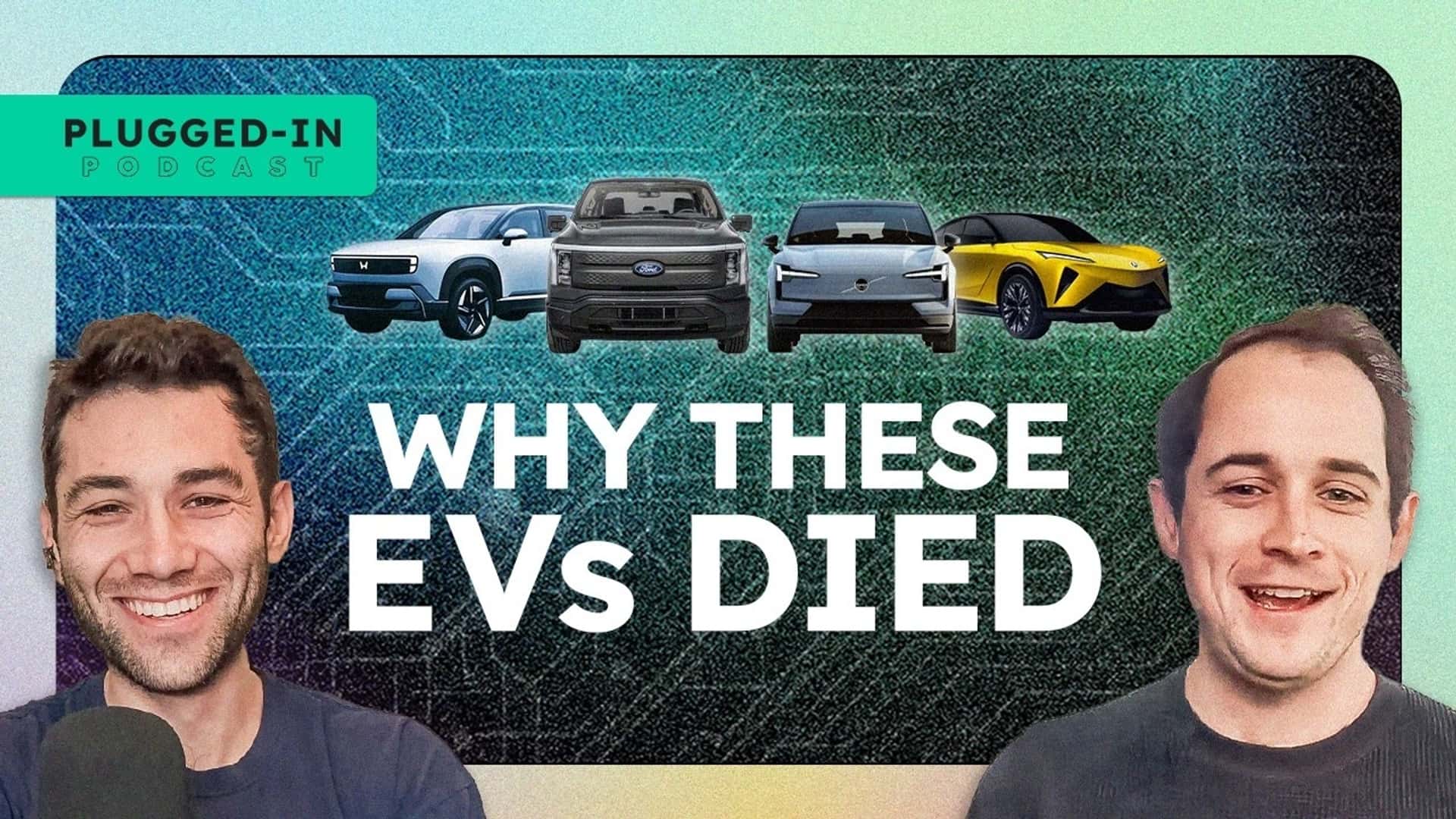
The past few weeks have witnessed a notable surge in manufacturers either shelving future EV plans or discontinuing existing models, creating a ripple effect across the industry. Honda, for instance, has reportedly cancelled plans for three new electric models that were slated for production in the United States, including a vehicle conceptualised from its 2024 Saloon concept. This decision is particularly significant given Honda’s established presence in the American market.
n
Similarly, European luxury carmaker Volvo has reportedly ‘canned’ the EX30, an anticipated model, indicating a broader cautious approach to market introduction. Hyundai also announced that it would cease sales of its standard Ioniq 6 model, opting instead to focus on its higher-performance ‘N’ variant, reflecting a strategic narrowing of its offerings.
n
These recent announcements follow a series of earlier strategic adjustments. Ford, for example, previously revised its production targets for the F-150 Lightning, signaling a reassessment of demand for its electric pickup. The Acura ZDX, another existing model, has also been affected by these broader market corrections, highlighting that both nascent and established EV offerings are subject to this industry-wide re-evaluation.
n
Even models that aren’t outright cancelled are facing adjustments. The Volkswagen ID. Buzz, a highly anticipated electric minivan, is reportedly skipping a model year, a move that indicates supply chain adjustments or a recalibration of launch timing to better align with market conditions rather than an outright cancellation.
nn
The End of the ‘First-Draft Era’: Market Evolution
n
Many industry observers suggest that the current wave of EV cancellations marks the culmination of what some term the ‘first-draft era’ for electric vehicles. This period was characterised by an experimental approach, where manufacturers often introduced models to test market reception, gain technological expertise, and meet emerging regulatory mandates.
n
These early-generation EVs, while groundbreaking, sometimes suffered from being “the wrong product at the wrong time.” Factors such as premium pricing, limited charging infrastructure, nascent battery technology, or design choices that didn’t fully align with mainstream consumer preferences occasionally hampered their widespread appeal.
n
The current market demands a more refined and commercially astute approach. Consumers are increasingly sophisticated, expecting competitive pricing, robust range, rapid charging capabilities, and a diverse array of body styles that mirror the versatility of internal combustion engine vehicles. The era of novel but perhaps imperfect EV offerings appears to be receding, making way for a more competitive and consumer-centric phase of electric mobility.
nn
Understanding the Drivers Behind the Cancellations
n
Several underlying factors are contributing to the current surge in EV cancellations. A primary driver is undoubtedly the question of product-market fit. Some models, while technologically advanced, have struggled to find a substantial customer base due to their high price points. The Ford F-150 Lightning, for example, faced challenges related to its initial premium cost, which may have limited its accessibility for a broader segment of the pickup truck market.
n
Furthermore, consumer preferences are strongly influencing strategic decisions. The market’s increasing appetite for Sports Utility Vehicles (SUVs) has placed sedans at a disadvantage. It is observed that models like the standard Hyundai Ioniq 6, and even the long-standing Tesla Model S, face significant market pressures as the industry increasingly caters to the demand for larger, more versatile utility vehicles.
n
The impact of dwindling or shifting incentives cannot be overstated. Certain EV models may have initially been developed with a business case heavily reliant on tax credits and subsidies. As these financial aids recede, the economic viability of these vehicles without such support becomes challenging, forcing manufacturers to reconsider their long-term prospects.
n
Another crucial factor is the evolution of regulatory landscapes. Some EVs were perhaps conceived primarily to meet specific emissions targets or mandates. With regulatory environments potentially weakening or shifting focus, the urgency and necessity of certain niche EV projects may have diminished, prompting their cancellation.
nn
Strategic Rethink: Honda’s Pivotal Decision
n
Among the recent cancellations, Honda’s decision to scrap its first fully in-house EV project, just months before its planned production start, stands out as particularly noteworthy. This move, affecting three models slated for American production, raises significant questions about the underlying challenges even well-resourced automakers face.
n
Such a late-stage cancellation suggests profound internal reassessments, possibly related to production costs, anticipated market demand, competitive pressures, or a strategic pivot towards different technological partnerships or platforms. It underscores the intense scrutiny now applied to every EV project, even those deeply integrated into a company’s future vision.
nn
Broader Market Dynamics and Future Outlook
n
The current period of EV cancellations and strategic adjustments is not merely a setback but a testament to the dynamic nature of the automotive industry’s electrification journey. It compels a re-evaluation of which companies are best positioned to lead in this evolving landscape.
n
Ongoing discussions about the market’s future also encompass the prospects of new entrants like VinFast in the U.S. market, the strategic positioning of luxury brands with models such as the Lucid Cosmos, and the sustained relevance of pioneering models like the BMW i3. These elements collectively paint a picture of an industry in flux, constantly adapting to technological advancements, competitive pressures, and shifting consumer expectations.
n
Interestingly, the fluctuating price of traditional fossil fuels, particularly ‘eye-watering gas prices’, could yet serve as a catalyst, potentially nudging more consumers towards considering electric vehicles, especially in the burgeoning used EV market. This suggests that while new EV projects face stringent review, the fundamental appeal of electric mobility remains robust.
nn
Conclusion
n
The current wave of EV cancellations signals a critical maturation phase for the electric vehicle industry. Manufacturers are moving past experimental beginnings, entering an era where only truly compelling, market-aligned products can thrive. This period of strategic consolidation, driven by evolving regulations, shifting consumer preferences, and heightened competition, will ultimately redefine the contours of future automotive leadership.
”
}