
{
“title”: “UK Electric Vehicle Sector Strengthened as Karas Plating Unveils Advanced Silver Plating Busbar Line”,
“content”: “
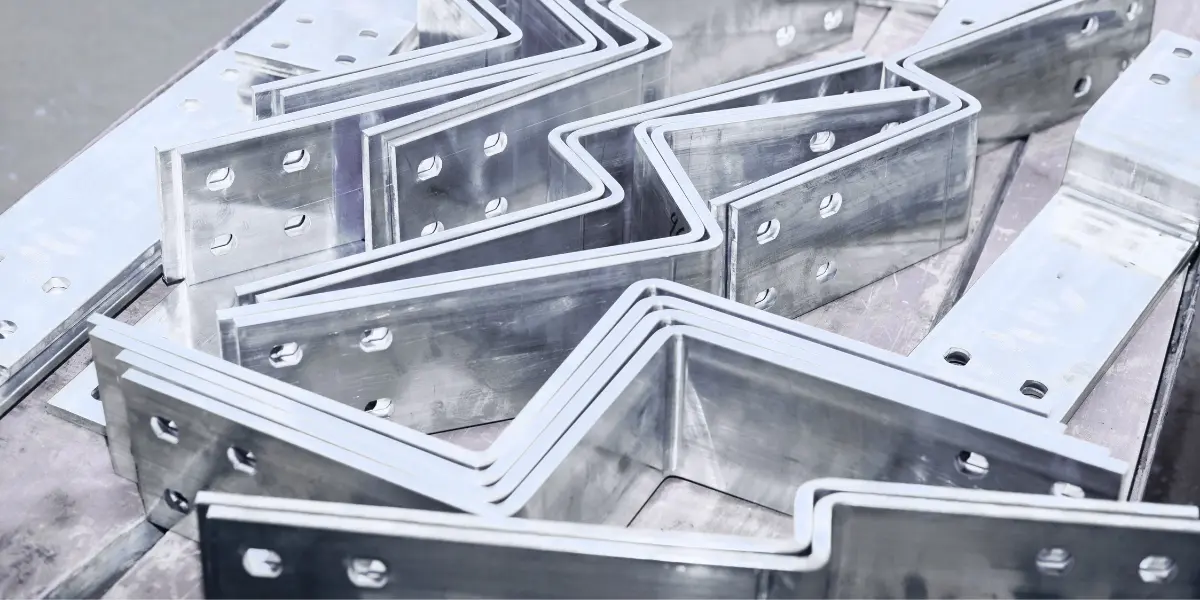
In a significant boost to the United Kingdom’s burgeoning electric vehicle (EV) manufacturing landscape, Karas Plating has officially launched a new state-of-the-art automated busbar electroplating line. Representing a substantial investment of £1.5 million, this cutting-edge facility in the UK is poised to become the country’s largest-capacity operation for silver plating copper busbars, crucial components integral to EV battery packs, power electronics, and charging stations across various electric vehicle systems.
n
The strategic move by Karas Plating underscores a growing emphasis on enhancing domestic manufacturing capabilities and supply chain resilience within the UK’s automotive sector, particularly as the transition to electric mobility accelerates. The new line’s advanced features and substantial output are set to play a pivotal role in supporting the increasing demand for high-quality, high-performance EV components.
nn

Revolutionising Production: Capacity and Technological Edge
n
The newly operational electroplating line boasts impressive specifications designed to meet the rigorous demands of modern EV manufacturing. Spanning 2.4 meters in width, the automated system can efficiently process up to 200 kilograms of product in a mere 20 minutes. This translates to a formidable increase in the UK’s annual EV busbar capacity, with the line capable of plating an additional 4,500 tonnes of copper busbars per year.
n
Furthermore, the facility is engineered to accommodate components of considerable size, capable of handling busbars up to 4.2 meters in length. This versatility ensures that Karas Plating can cater to a wide array of specifications required by different electric vehicle systems and applications, from compact passenger EVs to larger commercial electric vehicles and sophisticated charging infrastructure.
nn
The Critical Role of Busbars in Electric Vehicle Systems
n
Busbars are foundational elements within the architecture of electric vehicles and their supporting infrastructure. These conductive bars perform the essential function of moving high currents between critical components such as battery cells, modules, inverters, and charging hardware. Their placement in the powertrain and charging stack makes them a highly critical component, where efficient power transfer is paramount.
n
The primary objective of busbars is to facilitate this electrical flow with minimal energy loss. In an EV, where every watt-hour of energy directly impacts range and performance, even marginal losses can accumulate significantly. High-quality busbars, therefore, contribute directly to the overall efficiency, thermal management, and reliability of an electric vehicle’s powertrain and charging capabilities, making their design and plating crucial.
nn
Advantages of Silver Plating for EV Busbars
n
As highlighted by Karas Plating in a recent technical blog post, silver plating is extensively utilised on EV busbars due to its superior electrical properties and durability benefits. Silver is an excellent conductor, surpassing many other metals in its ability to facilitate current flow, which is vital for high-performance electric vehicle systems.
n
The application of silver plating offers several distinct advantages:
n
- n
- Lower Contact Resistance: Silver’s inherent conductivity significantly reduces contact resistance at connection points. This minimises heat generation and energy dissipation, ensuring that more power is effectively delivered to where it is needed, thereby enhancing the overall efficiency of the EV powertrain.
- Improved Current-Carrying Capability: The enhanced conductivity translates directly into a greater ability to carry high currents without overheating. This is crucial for managing the substantial power flows typical in modern EVs, particularly during rapid acceleration or fast charging.
- Stabilisation Under Stress: EV components are subjected to constant vibration and significant thermal cycling due to varying operational conditions and charging cycles. Silver plating helps to stabilise electrical joints under these strenuous conditions, preventing loosening or degradation of connections over time and ensuring long-term reliability.
- Consistent Low-Resistance Connections: Over repeated charge-discharge cycles, the integrity of electrical connections can degrade. Silver plating helps maintain consistent low-resistance connections throughout the lifespan of the vehicle, which is essential for sustained performance and battery health.
- Material Versatility: The company notes that silver plating is effective for both copper and aluminum busbars. With aluminum busbars gaining traction due to their weight reduction benefits, especially in applications where mass minimisation is a key design consideration, the ability to silver plate this material adds significant value and flexibility to EV component manufacturing.
n
n
n
n
n
nn
Strategic Reshoring and Supply Chain Resilience
n
The launch of this new line signifies a critical reshoring initiative for the UK’s EV industry. By expanding domestic electroplating capacity, Karas Plating is directly contributing to reducing the reliance on overseas suppliers for vital EV components. This strategic move provides UK manufacturers with several tangible benefits, including tighter process control, ensuring that the quality and consistency of plated busbars meet exacting standards.
n
Moreover, reshoring translates into shorter supply chains, which are inherently more robust and less susceptible to global disruptions. In an era marked by geopolitical uncertainties and logistics challenges, a localised supply chain ensures greater security of supply, faster turnaround times, and reduced transportation costs, fostering a more agile and responsive manufacturing ecosystem within the UK for electric vehicle systems.
nn
Advanced Manufacturing and Quality Control Standards
n
Karas Plating’s commitment to excellence is further evidenced by the sophisticated operational philosophy underpinning the new automated line. Managing Director Alan Pennington elaborated on the system’s design, stating that “the automated line operates as an autonomous cell using LEAN principles and KPI-based process control to improve consistency and reduce silver consumption.”
n
LEAN principles, a methodology focused on optimising processes by eliminating waste, ensure that production is as efficient as possible, leading to cost savings and higher output quality. Key Performance Indicator (KPI)-based process control provides real-time data and actionable insights, enabling continuous monitoring and adjustment to maintain optimal performance and consistency throughout the plating process. This meticulous approach not only enhances product reliability but also contributes to a more sustainable manufacturing footprint by minimising material usage.
n
A testament to the precision and control achieved with this advanced system, Karas Plating is reportedly achieving an exceptionally low defect rate of fewer than five parts per million. This remarkably high standard of quality assurance is crucial for components destined for electric vehicle systems, where reliability and safety are paramount, and even minor imperfections can have significant implications for performance and longevity.
nn
Bolstering the Future of UK EV Manufacturing
n
The introduction of Karas Plating’s advanced silver plating busbar line marks a pivotal moment for the UK’s electric vehicle industry. It not only significantly enhances the domestic EV busbar capacity but also reinforces the country’s position as a hub for high-tech manufacturing of critical EV components. This investment supports the ongoing transition to electric mobility, providing a robust, high-quality, and domestically controlled supply of essential parts.
n
By focusing on efficiency, quality, and supply chain resilience, initiatives like this contribute substantially to the long-term sustainability and competitiveness of the UK’s electric vehicle systems sector. As global demand for EVs continues to surge, such strategic advancements are crucial in ensuring the UK remains at the forefront of automotive innovation and production.
”
}