
Key Takeaways:
- Xiaomi, known for electronics, has introduced a robotic EV charging arm set to launch in Q4 this year.
- This innovation addresses the convenience gap in electric vehicle charging, offering autonomous plug-in and unplug capabilities.
- The device integrates with Xiaomi’s smart home ecosystem and uses AI vision for precision.
- It revives a concept previously explored but not commercialized by Tesla a decade ago.
- The product features remote charging activation and aims to simplify daily EV ownership.
The future of electric vehicle ownership often hinges on convenience. While advancements in battery range and charging speeds have been significant, the physical act of plugging in remains a daily ritual. Now, a groundbreaking development from Chinese tech giant Xiaomi promises to automate this process entirely, bringing to market a robotic EV charging arm that aims to redefine ease of use for electric vehicle owners.

This innovation not only streamlines the charging experience but also realizes a concept that was famously teased by automotive pioneer Tesla nearly a decade ago but never brought to fruition.
Automating Electric Vehicle Charging: A Growing Need
As electric vehicles (EVs) become increasingly mainstream, the focus is shifting beyond mere range and performance to the overall user experience. One persistent challenge for many EV owners is the daily task of plugging in their vehicle, especially after a long day or in less-than-ideal weather conditions.
Automated charging solutions, such as robotic arms, represent a significant step forward in addressing this convenience gap. These systems are designed to eliminate manual intervention, making EV charging as seamless and unobtrusive as possible, much like autonomous parking or self-driving features.

Tesla’s Pioneering Concept: A Vision Unfulfilled
The idea of a robotic arm autonomously connecting an EV to its power source is not entirely new. Back in 2015, Tesla captivated the automotive world with a demonstration of a snake-like robotic charger designed for its Model S. This prototype showcased the potential for hands-free charging, sparking considerable excitement about the future of electric mobility.
Despite the initial buzz and the clear demand for such a convenience, Tesla’s robotic charging arm ultimately never made it past the conceptual stage into mass production. The American EV manufacturer reportedly shifted its strategic focus towards developing wireless charging technologies for its upcoming vehicles, such as the Cybercab, leaving the promise of a physical robotic charger unfulfilled for its existing fleet.
Xiaomi’s Leap into Automotive Innovation
Xiaomi, a global technology conglomerate predominantly recognized for its vast portfolio of smartphones, smart home devices, and consumer electronics, has recently made an aggressive foray into the electric vehicle market. The company quickly gained significant traction in the Chinese car market with its fast and sleek electric vehicles, signaling its serious intent in the automotive sector.
This expansion into EVs naturally extends to complementary infrastructure, with the new robotic EV charging arm serving as a testament to Xiaomi’s holistic approach to electric mobility. By leveraging its extensive experience in artificial intelligence, robotics, and smart home ecosystems, Xiaomi is uniquely positioned to innovate in areas that traditional automakers might overlook.
Introducing Xiaomi’s Robotic EV Charging Arm
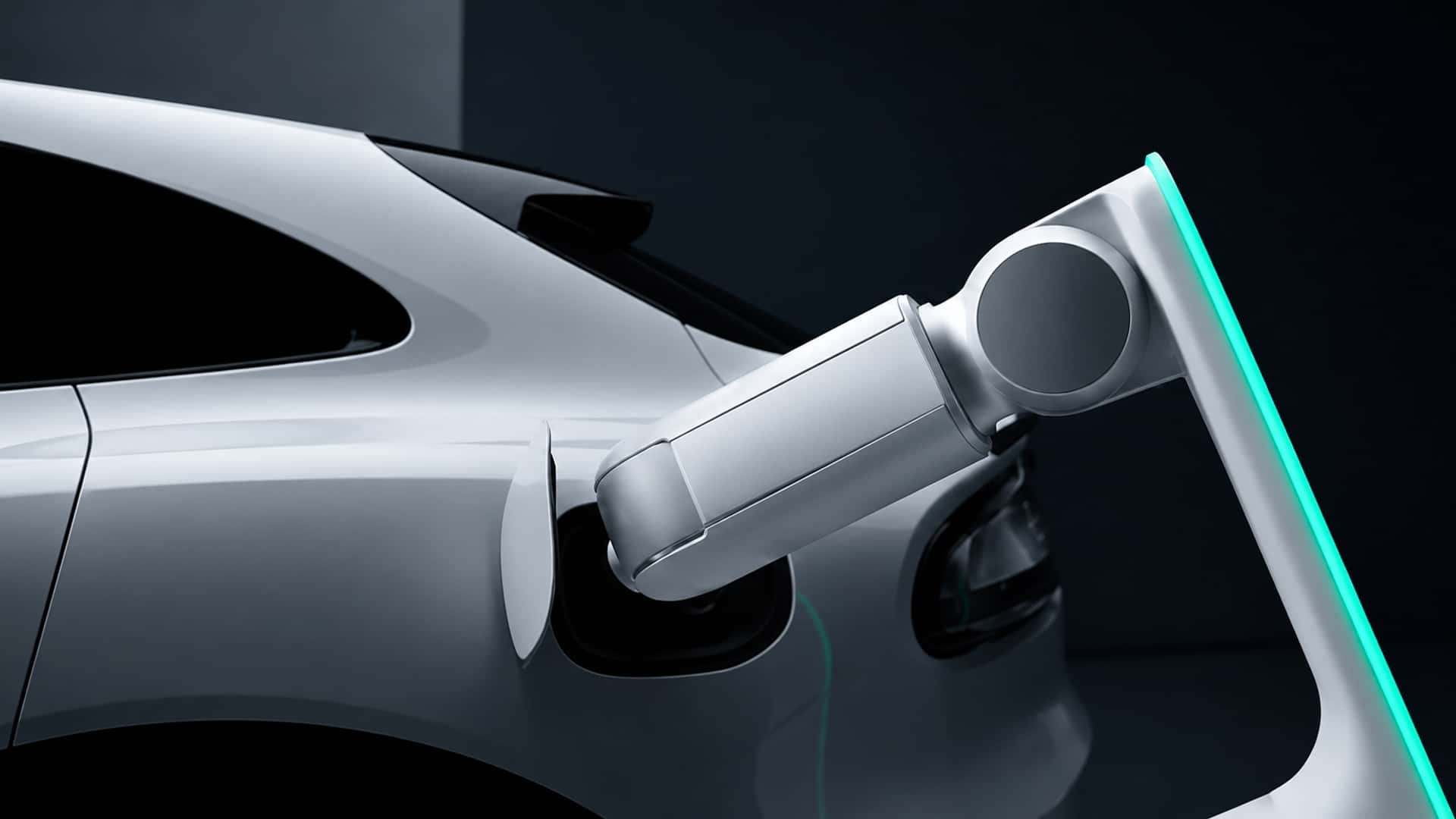
Xiaomi’s latest offering is a sophisticated robotic EV charging arm housed within a sleek, compact enclosure. Measuring less than six inches (approximately 152 millimeters) wide, its minimalist design ensures it can be seamlessly integrated into various environments, from private residential garages to more constrained public parking spaces, without being obtrusive.
A core aspect of this device is its intended integration into Xiaomi’s broader smart home ecosystem. This allows the robotic arm to function not just as a standalone charger but as another interconnected smart appliance, much like a smart vacuum cleaner or an internet-connected air fryer, enhancing the overall smart living experience for users.
Advanced Functionality for Enhanced Convenience
The robotic EV charging arm boasts three primary features designed to revolutionize the user’s interaction with their electric vehicle:
-
Automatic Charging Initiation: Once an electric vehicle is parked, the robotic arm can automatically unfold from its enclosure and precisely plug itself into the car’s charging port, initiating a charging session without any manual input from the owner. This eliminates the need for daily manual connection.
-
Automated Disconnection: Upon reaching a pre-set state of charge, the robotic arm intelligently unplugs itself from the vehicle. This feature ensures optimal battery management and further reduces the need for owner intervention.
-
Remote Charging Control: For moments when an owner might forget to plug in their EV, the system allows for remote initiation of a charging session. This capability provides unparalleled flexibility, enabling users to manage their charging needs from virtually anywhere, adding a significant layer of convenience.
Precision and Intelligence at its Core
A brief video presentation released by Xiaomi highlights the advanced technological capabilities embedded within the robotic arm. It specifically points to the use of artificial intelligence (AI) vision recognition, which grants the robot sub-millimeter precision during the crucial act of plugging into the EV’s charging port.
Furthermore, the automated charging robot is designed to communicate directly with the electric vehicle. This direct interaction allows it to command the opening or closing of the motorized charge port door, ensuring a fully autonomous and integrated charging sequence. Such meticulous engineering underscores Xiaomi’s commitment to delivering a reliable and user-friendly experience.
Market Launch and Remaining Questions
According to reports from CarNewsChina, Xiaomi’s autonomous robotic EV charging arm is slated for release in the fourth quarter of this year. This aggressive timeline indicates the company’s confidence in its readiness for commercial deployment and its strategic push into the EV infrastructure market.
While the product’s innovative features are impressive, key details regarding its commercial availability are still pending. Specifically, Xiaomi has yet to announce the official pricing for the sleek new charging robot. Additionally, there remains a question as to whether the compact enclosure houses the charger itself, making it an all-in-one solution, or if it functions as an extension requiring an existing home charger installation. Given Xiaomi’s existing range of home chargers with power outputs from 7 to 11 kilowatts, industry observers anticipate the device could function as a complete charging unit.
More comprehensive details are expected to emerge as the product’s market launch date in the fourth quarter draws nearer, offering clarity on its full specifications and market positioning.
The Evolving Landscape of Automated EV Charging
While Xiaomi is making headlines by bringing this technology to market, it is not the sole innovator in the realm of automated EV charging. Other prominent players in the automotive and technology sectors are also actively exploring and developing similar solutions.
Companies like Hyundai and Star Charge have already introduced their own versions of robotic charging arms, signaling a broader industry trend towards greater automation and convenience in electric vehicle infrastructure. This collective push from various manufacturers underscores the growing recognition of automated charging as a critical component for accelerating global EV adoption.
The Broader Impact on EV Adoption and User Experience
The introduction of accessible robotic EV charging arms holds significant implications for the future of electric mobility. By simplifying the daily charging routine, these technologies can significantly enhance the appeal of EVs to a wider demographic, particularly those who might be hesitant due to perceived inconveniences of charging.
The ability to remotely initiate charging, coupled with automatic connection and disconnection, reduces “charging anxiety” – the worry about forgetting to plug in or managing cables. This not only improves the daily convenience for private vehicle owners but also paves the way for more efficient fleet management for commercial EVs and autonomous robotaxi services, where human intervention needs to be minimized.
Outlook: Towards a Fully Automated Electric Future
Xiaomi’s move to commercialize a robotic EV charging arm marks a pivotal moment in the evolution of electric vehicle technology. By transforming a decade-old concept into a market-ready product, the company is setting a new benchmark for convenience in electric mobility.
As smart cities and autonomous driving technologies continue to advance, integrated automated charging solutions will become indispensable. The success of Xiaomi’s robotic arm, and its subsequent widespread adoption, could well define the next phase of electric vehicle ownership, making charging an entirely passive and effortless experience for millions.
Frequently Asked Questions (FAQ)
What is Xiaomi’s new robotic EV charging arm?
Xiaomi’s robotic EV charging arm is an innovative device designed to automate the process of plugging and unplugging an electric vehicle for charging. It deploys from a slim enclosure and uses AI vision to precisely connect to the car’s charging port, enhancing convenience for EV owners by eliminating manual intervention.
How does Xiaomi’s charging robot work?
The robot automatically initiates charging once the EV is parked. It can also disconnect itself when a set charge level is reached. Furthermore, owners can remotely activate a charging session via Xiaomi’s smart home ecosystem, offering flexibility for managing their vehicle’s power needs from a distance.
When will Xiaomi’s robotic charger be available?
According to reports from CarNewsChina, Xiaomi’s autonomous charging robot is anticipated to hit the market and go on sale in the fourth quarter of this year. Further details regarding its pricing and specific market availability are expected closer to its official launch date.
How does this compare to Tesla’s past robotic charging efforts?
Tesla showcased a similar robotic charging arm concept almost a decade ago but never brought it to commercial production, shifting focus to wireless charging. Xiaomi’s product, however, is scheduled for a market launch in Q4 this year, making it the first to commercialize such a solution after Tesla’s unfulfilled vision.
Will the robotic arm be an all-in-one charger or an accessory?
Xiaomi has not yet confirmed whether the robotic charging arm enclosure will include the charger itself or if it will function as an extension to an already installed home charger. Given Xiaomi’s existing range of home charging products, industry observers widely anticipate it could be an all-in-one solution for comprehensive convenience.
What are the benefits of an automated EV charging solution?
Automated EV charging offers significant benefits, including enhanced convenience by eliminating manual plugging, remote management for flexible charging schedules, and improved user experience. It can reduce “charging anxiety” and contribute to broader EV adoption by simplifying the daily routines of electric vehicle owners.
Are other companies developing similar robotic charging solutions?
Yes, Xiaomi is not the only company exploring automated EV charging. Other major players in the automotive and technology sectors, such as Hyundai and Star Charge, have also developed or are developing similar robotic charging arm solutions, indicating a growing industry trend towards advanced, automated charging infrastructure.