
Key Takeaways
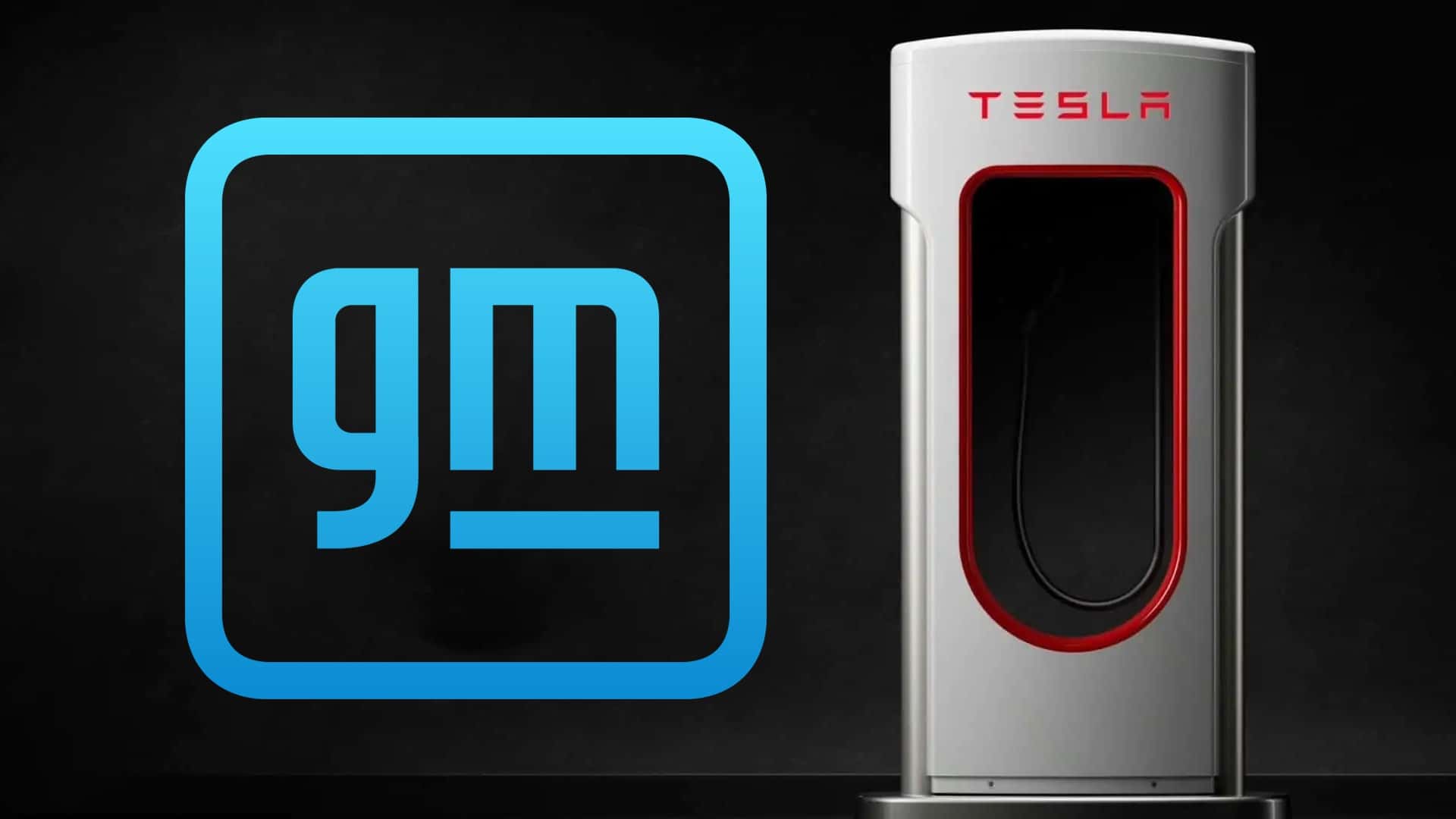
- General Motors (GM) has announced its adoption of Tesla’s North American Charging Standard (NACS) for its future electric vehicles (EVs).
- This strategic move grants GM EV owners access to Tesla’s extensive 12,000-unit Supercharger network across North America.
- Existing GM EV owners will receive an adapter to access Superchargers starting in spring 2024.
- New GM EVs, beginning in 2025, will feature native NACS integration, streamlining the charging process.
- The Tesla Supercharger Network will be integrated directly into GM’s vehicle and mobile applications for seamless locating, payment, and initiation of charging sessions.
- This follows a similar announcement by Ford in late May, significantly expanding fast-charging options for over 300,000 American EV drivers.
In a monumental shift poised to redefine electric vehicle infrastructure across North America, General Motors (GM) has confirmed its decision to adopt Tesla’s proprietary North American Charging Standard (NACS).
This pivotal announcement, made by GM CEO Mary Barra during a Twitter Spaces session with Tesla founder Elon Musk on June 8, 2023, signifies a significant consolidation in the rapidly evolving EV charging ecosystem.
Expanded Access to Tesla’s Supercharger Network
The immediate impact of GM’s NACS adoption is the unprecedented access it provides to the formidable Tesla Supercharger network. This network currently boasts over 12,000 fast-charging units strategically located throughout the continent, offering a robust solution to range anxiety for GM electric vehicle owners.
Starting in the spring of 2024, existing GM EV owners will be able to leverage this extensive infrastructure through a specially provided adapter. This adapter will enable them to connect their vehicles to Tesla’s Superchargers, marking a substantial improvement in their fast-charging capabilities.
GM CEO Mary Barra underscored the immediate benefit, stating, “What’s even more exciting is that our existing EV customers can leverage the 12,000 Tesla fast chargers early next spring with an adapter.” This direct provision of adapters is crucial for a smooth transition for current owners.
Native Integration for Future GM Electric Vehicles
Looking ahead, General Motors plans to embed the Tesla charging standard directly into its forthcoming electric vehicle models. This native integration is slated to commence with GM’s first NACS-compatible vehicles arriving in 2025.
Barra articulated this future-forward approach, confirming, “We plan to adopt the North American charging standard, we’re working really hard that our first vehicle will come in 2025.” This commitment ensures that future GM EV buyers will benefit from the standardized port from day one.
Seamless Charging Experience Through App Integration
Beyond physical compatibility, GM is also focusing on enhancing the overall charging experience through digital integration. The company revealed plans to integrate the Tesla Supercharger Network directly into its vehicle and mobile applications.
This integration is designed to simplify every aspect of the charging process for drivers. GM stated that this feature will empower “drivers quickly and easily locate, pay for, and initiate charging at available Tesla Superchargers.”
Such comprehensive app integration represents a critical advancement in electric mobility. It vastly streamlines the charging process by eliminating the need for third-party applications or multiple payment platforms, offering a cohesive and user-friendly experience akin to Tesla’s own ecosystem.
A Growing Alliance: Following Ford’s Footsteps
GM’s decision to embrace the Tesla charging standard mirrors a similar groundbreaking announcement made by Ford in late May. Ford’s move to adopt NACS set a precedent, and GM’s subsequent commitment further solidifies a significant industry trend.
The collective adoption by two of North America’s largest automakers has immediate and widespread implications. Combined, these announcements are set to bring substantial improvements in fast charging accessibility for approximately 300,000 American EV drivers.
This figure includes over 170,000 battery electric vehicles (BEVs) sold by General Motors, though it’s noted that not all of these are fast-charge capable. Additionally, it encompasses over 108,000 Ford BEVs, including popular models like the Mustang Mach-E, F-150 Lightning, and E-Transit.
Industry Leaders Reflect on a Transformative Era
The significance of these developments was not lost on the automotive leaders involved. During their Twitter Spaces discussion, both Mary Barra and Elon Musk emphasized the monumental nature of the current period for the automotive sector.
Barra characterized this time as “one of the most exciting” for the industry. Musk echoed this sentiment, stating his belief that “we are at one of the great inflection points in vehicles … comparable to the moving production line.” Such pronouncements from key figures underscore the perceived magnitude of this shift.
The North American Charging Standard Battleground
The series of announcements from major automotive players, including Ford, General Motors, and smaller manufacturers like Aptera, casts a new light on the ongoing battle for EV charging standardization in North America. For years, the charging landscape has seen the gradual decline of the CHAdeMO standard, while the Combined Charging System (CCS1) gained significant traction.
However, the widespread adoption of Tesla’s NACS by these prominent original equipment manufacturers (OEMs) raises pertinent questions about the future dominance of CCS1. These strategic alliances could indeed mark the commencement of a significant shift, potentially leading to the broader establishment of NACS as the prevailing standard across the continent.
The move aims to alleviate consumer concerns about charging station availability and compatibility, often cited as a barrier to wider EV adoption. A unified standard could simplify infrastructure development and significantly enhance the user experience, fostering greater confidence in electric mobility.
Implications for the Broader EV Ecosystem
This consolidation around the Tesla charging standard could accelerate the build-out of public charging infrastructure by encouraging more widespread investment and standardizing equipment. It simplifies the design and manufacturing process for automakers, reducing complexity and potentially costs associated with multiple charging port configurations.
For consumers, the most immediate benefit is the dramatic increase in accessible fast-charging points. This expanded network reduces range anxiety and makes long-distance travel in an EV more feasible and convenient. The promise of seamless app integration further cements a user-centric approach to electric vehicle ownership.
As the electric vehicle market continues its rapid expansion, the establishment of a clearer, more unified charging standard is paramount for sustained growth. The decisions made by major players like General Motors and Ford will undoubtedly shape the trajectory of electric mobility for decades to come, moving towards a more interconnected and efficient charging ecosystem.
Frequently Asked Questions (FAQ)
What is the North American Charging Standard (NACS)?
NACS refers to Tesla’s proprietary charging connector and protocol, which the company has made available for use by other automakers. It is designed for both AC and DC charging, offering a compact and efficient solution for electric vehicle power delivery across North America.
When will GM EVs gain access to Tesla Superchargers?
Existing GM EV owners will receive an adapter in spring 2024 to utilize the Tesla Supercharger network. Future GM electric vehicles, starting with models released in 2025, will feature native NACS ports directly integrated into their design for seamless compatibility.
How will existing GM EV owners access Tesla Superchargers?
Existing GM EV owners will be provided with a specific adapter from General Motors starting in spring 2024. This adapter will allow their current vehicles, equipped with the CCS1 charging port, to connect and charge at Tesla Supercharger stations across North America.
What does GM’s NACS adoption mean for the CCS1 charging standard?
GM’s adoption, following Ford’s, represents a significant challenge to the CCS1 standard, which has been prevalent in North America. While CCS1 is not immediately obsolete, these moves suggest a potential shift towards NACS becoming the dominant, if not universal, fast-charging standard in the region.
Which other automakers have adopted the Tesla charging standard?
Beyond General Motors and Ford, several smaller electric vehicle manufacturers have also announced their intention to adopt Tesla’s NACS. This growing list indicates a broader industry trend towards a unified charging solution to enhance the electric vehicle ownership experience.
How many charging stations will GM owners gain access to?
By adopting the Tesla charging standard, GM EV owners will gain access to Tesla’s extensive Supercharger network, which currently comprises over 12,000 fast-charging units. This significantly expands the public charging options available to them across North America, reducing range anxiety.
What is the benefit of app integration for charging?
Integrating the Tesla Supercharger Network into GM’s vehicle and mobile apps simplifies the entire charging process. Drivers can easily locate available Superchargers, initiate charging sessions, and manage payments directly through GM’s platforms, eliminating the need for separate third-party apps and improving user convenience.