
Key Takeaways:
- General Motors is poised to integrate a sophisticated electric vehicle platform, developed in China, into future iterations of the Cadillac Optiq for specific international markets.
- This strategic move highlights a growing global trend where Western automotive giants increasingly leverage advanced Chinese technological solutions to maintain competitive edge in the rapidly evolving electric vehicle sector.
- While the U.S. market will not see this China-developed **Cadillac Optiq EV platform** due to existing hardware and software restrictions, it signifies a localized approach to EV innovation.
- The Xiao Yao platform, stemming from the SAIC-GM joint venture, offers significant flexibility and advanced features, addressing specific market demands outside of North America.
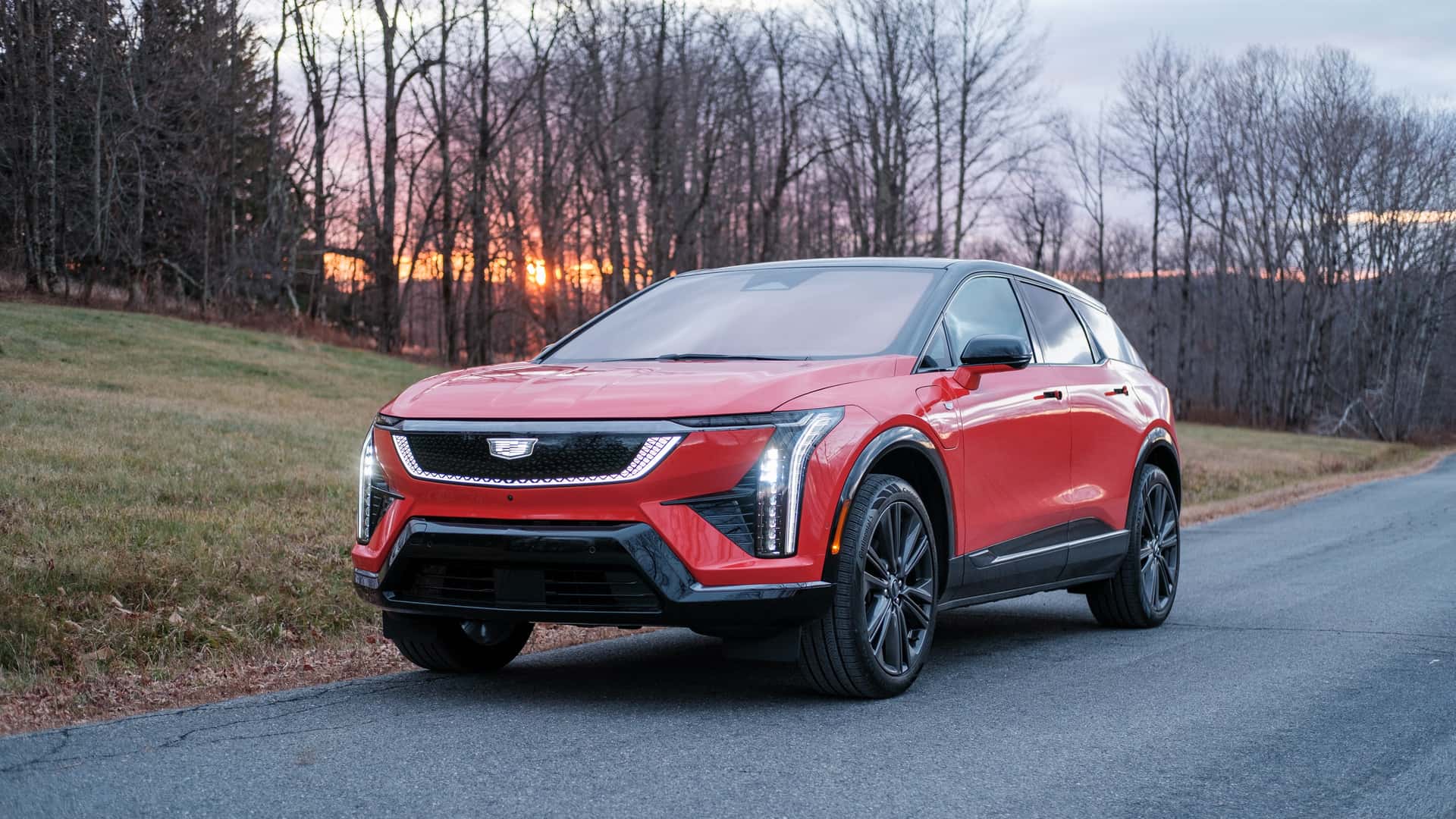
In a significant development signaling the deepening integration of global automotive innovation, General Motors (GM) is set to equip future versions of its Cadillac Optiq electric vehicle with an advanced platform designed and developed in China. This move, initially reported by Reuters, underscores a strategic shift by Western automakers to harness the burgeoning technological capabilities within the Chinese electric vehicle ecosystem.
While this particular **Cadillac Optiq EV platform** will not be introduced in the United States, primarily due to prevailing regulatory restrictions concerning Chinese-origin hardware and software, its adoption for other global markets marks a pivotal moment. It illustrates how leading international car companies are increasingly relying on sophisticated Chinese electric vehicle technology to ensure their offerings remain competitive and relevant across diverse markets worldwide.
The announcement confirms a broader industry trend where localized innovation plays a critical role in addressing regional market demands and technological advancements. For the Cadillac Optiq, this means a tailor-made solution designed to excel in territories where the Chinese EV market dictates cutting-edge performance and features.
The Strategic Pivot to China-Developed Technology
General Motors operates through two long-standing joint ventures in China: one with the state-owned SAIC Corporation and another tripartite partnership involving SAIC and Wuling. These collaborations have been instrumental in GM’s presence and development activities within the world’s largest automotive market.
According to reports, the specific **Cadillac Optiq EV platform** in question is the Xiao Yao architecture. This innovative platform was developed at the Pan Asia Technical Automotive Center (PATAC) in Shanghai, a research and development hub established under the SAIC-GM joint venture. The decision to integrate the Xiao Yao platform into the Cadillac Optiq reflects a concerted effort to capitalize on this localized expertise.
A GM spokesperson in the U.S. provided clarity on the matter, stating, “The Xiao Yao architecture is a China-tailored platform developed by PATAC that combines GM’s global expertise with strong local capabilities. It integrates propulsion, chassis, intelligent driving and smart-cabin technologies. The reporting about the Optiq is speculative.”
Later, General Motors confirmed that the Xiao Yao platform would indeed not be heading to the U.S., and thus would not affect the Cadillac Optiq models sold in North America. This confirms a dual-platform strategy, catering to different regional regulatory and market environments.
Understanding the Xiao Yao Platform Advantage
The transition to the Xiao Yao platform for the Cadillac Optiq in specific overseas markets is largely driven by a clear competitive imperative. GM’s American-developed Ultium platform, which underpins many of its electric vehicles in the U.S., has faced considerable challenges in the highly competitive Chinese market.
Models such as the Buick Electra E5 and E4, built on the Ultium architecture, have experienced sluggish sales in China. These vehicles have struggled to compete effectively against the rapid pace of innovation and the superior performance metrics offered by locally developed EVs from formidable Chinese players like Nio, BYD, and Xpeng.
In response to this dynamic market landscape, GM’s strategy has evolved: to develop a platform within China, specifically tailored for the Chinese market and other relevant international territories. This localized approach is designed to foster a competitive edge against the burgeoning domestic startups and established EV manufacturers.
Key Features of the Xiao Yao Architecture
Introduced last year by SAIC-GM, the Xiao Yao platform is engineered as a truly software-defined vehicle architecture, boasting significant inherent flexibility. Its design supports a diverse range of vehicle types and powertrains, making it a versatile foundation for future electric mobility solutions.
The platform is capable of accommodating not only battery electric vehicles (BEVs) but also plug-in hybrids (PHEVs) and extended-range electric vehicles (EREVs). This broad compatibility allows for extensive adaptation across various body styles, including multi-purpose vehicles (MPVs), sedans, and sport utility vehicles (SUVs), providing immense design and manufacturing flexibility.
Furthermore, the Xiao Yao platform is designed to support multiple drive configurations, including front-wheel-drive, rear-wheel-drive, and all-wheel-drive setups. This adaptability ensures that vehicles built on this architecture can cater to a wide spectrum of performance requirements and consumer preferences.
A significant focus of the Xiao Yao platform development has been on integrating advanced technologies. This includes cutting-edge cockpits featuring sophisticated infotainment and connectivity options, enhanced overall vehicle efficiency, and capabilities for high-speed charging. These features are increasingly becoming standard expectations in advanced EV markets.
Consequently, it is plausible that the next-generation Cadillac Optiq models sold in international markets, particularly those utilizing the Xiao Yao platform, could feature exceptionally fast charging speeds, employ advanced battery technologies, and offer state-of-the-art intelligent cockpits. These attributes could potentially position them ahead of their U.S. counterparts, which adhere to different technological and regulatory frameworks.
Global Implications and Market Dynamics
Cadillac also markets the Optiq and Lyriq in Europe, a region that is currently experiencing a significant influx of Chinese-made electric vehicles. In such a competitive environment, the ability to rapidly adapt and integrate advanced, market-specific technology becomes paramount.
While the precise markets where the updated Cadillac Optiq with the Xiao Yao platform will be sold remain unspecified, it represents a logical strategic decision. Ditching the Ultium platform in favor of more advanced Chinese technology would enable the Optiq to remain highly competitive in regions where Chinese EV advancements are setting new industry benchmarks.
This strategic move by GM is not an isolated incident but rather indicative of a broader industry trend. Other prominent Western automakers are also increasingly turning to Chinese technology and establishing significant research and development footprints in China for their global EV strategies.
For instance, Renault developed its latest Twingo E-Tech electric vehicle at its R&D center in Shanghai. Similarly, luxury brands like Audi and mass-market giants such as Hyundai are reportedly planning to establish or expand their R&D operations in China, positioning the country as a crucial innovation hub for their future electric vehicle lineups.
This ongoing shift underscores China’s pivotal role not just as a manufacturing powerhouse, but as a critical source of cutting-edge electric vehicle development and innovation that is reshaping the global automotive landscape. The evolution of the **Cadillac Optiq EV platform** is a clear reflection of this transformative trend.
FAQ Section
Q1: Why is the Cadillac Optiq adopting a China-developed EV platform?
A1: The Cadillac Optiq is adopting a China-developed platform, specifically the Xiao Yao architecture, to enhance its competitiveness in international markets. This strategy allows General Motors to leverage advanced local technology to better compete with rapidly evolving Chinese EV manufacturers and cater to regional market demands, where its Ultium platform has faced challenges.
Q2: Will the U.S. version of the Cadillac Optiq feature this new platform?
A2: No, General Motors has confirmed that the China-developed Xiao Yao platform will not be used in the Cadillac Optiq sold in the United States. This is primarily due to existing U.S. restrictions on Chinese-origin hardware and software, ensuring a separate development path for the North American market.
Q3: What are the key advantages of the Xiao Yao platform?
A3: The Xiao Yao platform is a software-defined vehicle architecture offering exceptional flexibility. It supports various powertrain types (BEV, PHEV, EREV) and can be adapted to almost all body styles (MPVs, sedans, SUVs). It also accommodates front-, rear-, and all-wheel-drive configurations, with a strong focus on advanced cockpits, energy efficiency, and high-speed charging capabilities.
Q4: Which GM joint venture is responsible for the Xiao Yao platform?
A4: The Xiao Yao platform was developed at the Pan Asia Technical Automotive Center (PATAC) in Shanghai. This R&D facility is part of the SAIC-GM joint venture, one of General Motors’ long-standing collaborations in the Chinese automotive industry.
Q5: Are other Western automakers also using Chinese EV technology?
A5: Yes, this is a growing trend. Renault developed its latest Twingo E-Tech at its Shanghai R&D center, and both Audi and Hyundai are reportedly planning to expand their R&D hubs in China. This indicates a broader industry shift towards leveraging China’s advanced EV development capabilities for global product strategies.
Q6: How does this impact the global electric vehicle market?
A6: This trend signifies China’s increasing influence beyond manufacturing, establishing it as a crucial hub for electric vehicle innovation. Western automakers’ adoption of China-developed platforms for models like the **Cadillac Optiq EV platform** reflects a global convergence of technology and a strategic imperative to localize R&D to stay competitive in diverse international markets.