
Key Takeaways:
- YASA, a leading innovator in electric motor technology, has initiated two distinct development programs for axial flux motor designs, aiming to significantly reduce or entirely eliminate rare-earth magnet content.
- These efforts are bolstered by funding from the UK government’s Project Resilience, part of the broader DRIVE35 Demonstrate competition.
- The initiative addresses critical supply chain vulnerabilities and environmental concerns associated with rare-earth elements, which are vital for high-performance electric vehicle (EV) motors.
- YASA’s strategy involves a modular motor architecture, leveraging common stator technology across both heavy-rare-earth-free and fully rare-earth-free pathways.
- This development is a key component of the UK government’s Advanced Manufacturing Sector Plan, earmarking £4 billion for automotive R&D through 2035.
Pioneering Sustainable Electric Motor Technology
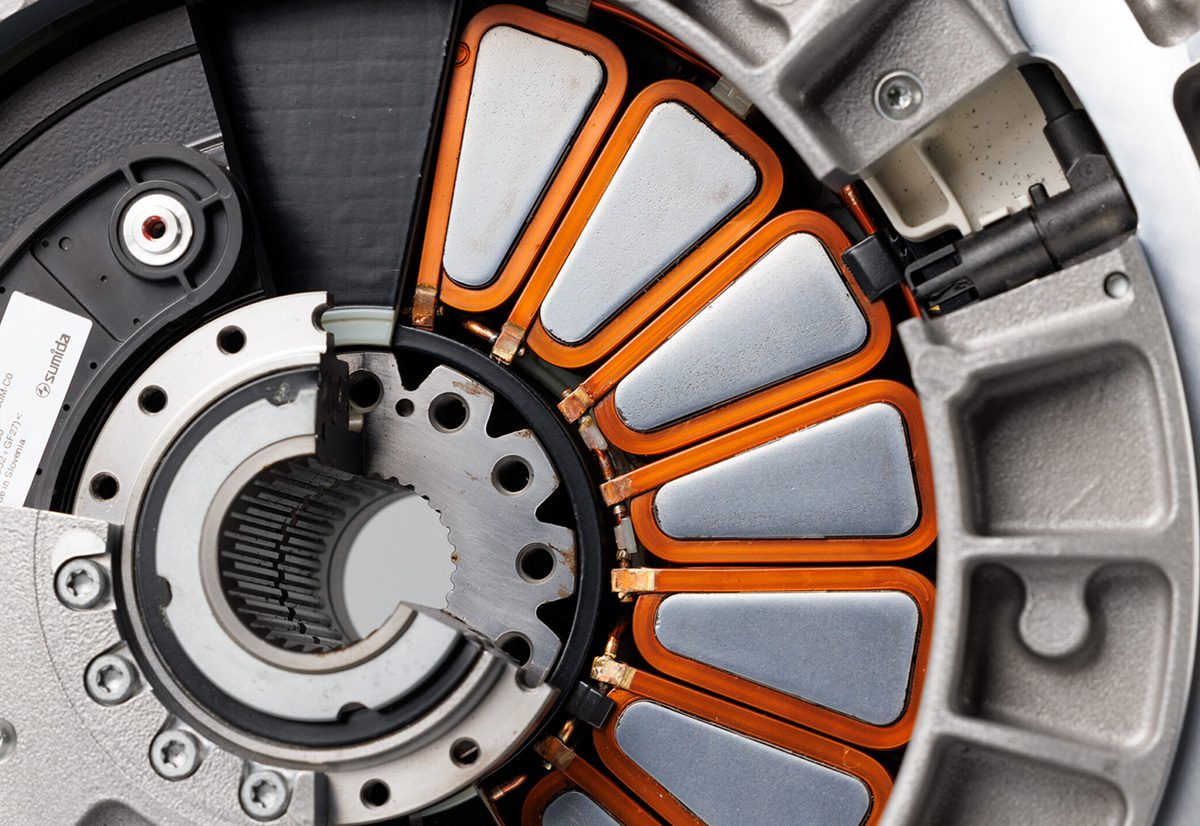
In a significant stride towards more sustainable and secure electric vehicle (EV) manufacturing, YASA, a company at the forefront of electric motor innovation, has embarked on a pioneering project to develop advanced axial flux motor designs. This ambitious initiative aims to substantially decrease or completely remove the reliance on rare-earth magnets, critical components traditionally essential for high-performance electric motors.
The groundbreaking work, operating under the banner of Project Resilience, is being executed from YASA’s state-of-the-art engineering and development facilities across the United Kingdom. It is made possible through a substantial grant from the UK government, awarded via the competitive DRIVE35 Demonstrate program.
Addressing Rare-Earth Dependency and Supply Chain Vulnerabilities
The global electric vehicle industry currently grapples with a significant dependency on rare-earth elements, particularly for the permanent magnets used in high-efficiency motors. These materials are crucial for achieving the necessary power density and compact size required by modern battery-electric and hybrid vehicles.
However, the supply chains for these rare-earth permanent magnets are characterized by a highly concentrated geographical distribution. This concentration creates inherent vulnerabilities, exposing automotive manufacturers and their suppliers to potential risks such as export restrictions, unpredictable price volatility, and significant supply disruptions.
Furthermore, heavy rare earths, which are commonly incorporated into permanent magnets to enhance their resilience against the high temperatures and demanding operational conditions within electric motors, present additional challenges. Their extraction and processing are often noted for being particularly difficult and energy-intensive, contributing to a substantial carbon footprint.
YASA’s Project Resilience directly confronts these issues by pursuing innovative alternatives for rare-earth-free electric motors, aiming to de-risk the future of EV production and foster greater environmental responsibility within the supply chain.
YASA’s Dual Approach: Balancing Performance and Sustainability
Central to YASA’s development strategy are two distinct yet complementary pathways for axial flux motor design. The first route focuses on heavy-rare-earth-free permanent-magnet designs. These are specifically engineered to meet the rigorous performance demands of high-performance battery-electric and hybrid vehicles, maintaining optimal power density without increasing the motor’s mass or overall package size.
Simultaneously, the company is dedicating efforts to developing fully rare-earth-free axial flux technology. This parallel development is geared towards vehicle applications that have varying performance, cost, and manufacturing requirements, thereby broadening the scope of potential implementations for these advanced motors.
Modular Architecture and Broadening Application Range
A strategic element underpinning both development routes is the utilization of a common YASA stator technology. This shared foundation paves the way for a highly modular motor architecture, offering unparalleled flexibility. Vehicle manufacturers will have the ability to select different rotor technologies based on the specific needs and performance criteria of each individual vehicle program.
The adoption of a shared stator technology provides multiple advantages. It enables YASA to efficiently transfer crucial engineering, design, development, and manufacturing knowledge across both pathways. This synergy not only optimizes development processes but also significantly expands the range of applications where YASA’s axial flux technology can be effectively deployed, reaching a wider segment of the electric vehicle market.
Government Support for Advanced Manufacturing
Project Resilience is a cornerstone initiative within the UK government’s broader commitment to fostering innovation in the automotive sector. The DRIVE35 program, under which this grant is awarded, is collaboratively delivered by the Department for Business, Innovation, Science and Trade in partnership with the Advanced Propulsion Centre UK (APC) and Innovate UK.
This program forms a vital part of the UK government’s ambitious Advanced Manufacturing Sector Plan. This comprehensive plan has allocated a substantial £4 billion in grant funding, available through 2035, specifically for automotive research and development (R&D), scale-up activities, and industrial transformation.
Project Resilience stands as one of ten Demonstrate projects that collectively received £9 million in government funding. The Advanced Propulsion Centre (APC) highlights that the combined investment from both government and industry across these ten projects surpasses £18 million. A key requirement for projects funded through the Demonstrate competition is the successful development of a product or process demonstrator within a twelve-month timeframe. While the specific financial award received by YASA for its individual project was not publicly disclosed, the backing underscores the strategic importance of rare-earth-free electric motors.
Expert Perspective on Development Philosophy
Highlighting the strategic thinking behind this dual development approach, Tom Hillman, YASA’s Head of Motor Simulation, commented on the project’s core objectives. “Project Resilience is about creating credible alternatives without losing sight of what vehicle manufacturers need from an electric motor,” Hillman stated. He further elaborated, “Different applications require different balances of performance, efficiency, packaging, cost and production volume, which is why we are developing two complementary technology routes rather than pursuing a single universal solution.” This statement reinforces YASA’s commitment to providing versatile and tailored solutions for the diverse needs of the automotive industry.
The advancements achieved through Project Resilience hold the potential to reshape the landscape of electric motor manufacturing. By mitigating the risks associated with rare-earth dependency, YASA is not only enhancing the resilience of the EV supply chain but also paving the way for more environmentally conscious and economically viable electric mobility solutions.
FAQs on Rare-Earth-Free Electric Motors and Project Resilience
What is Project Resilience?
Project Resilience is a UK government-funded initiative under the DRIVE35 Demonstrate competition. Its primary goal is to support YASA in developing advanced axial flux motor designs that reduce or eliminate the need for rare-earth magnets, addressing supply chain vulnerabilities and environmental concerns in electric vehicle motor manufacturing.
Why is YASA developing rare-earth-free electric motors?
YASA is developing rare-earth-free electric motors to tackle critical issues like the geographical concentration of rare-earth supply chains, which leads to price volatility and potential disruptions. Additionally, the extraction and processing of heavy rare earths are often carbon-intensive, making sustainable alternatives a strategic priority for the EV industry.
What are axial flux motors and their advantages?
Axial flux motors are a type of electric motor known for their compact design and high power density. They offer a favorable power-to-weight ratio and can achieve high efficiency, making them particularly suitable for electric vehicle applications where space and mass are premium considerations. YASA’s approach maintains these benefits.
What are the two development routes YASA is pursuing?
YASA is pursuing two complementary development routes: one focuses on heavy-rare-earth-free permanent-magnet designs for high-performance EVs, while the other aims for fully rare-earth-free axial flux technology for applications with different performance, cost, and manufacturing requirements. Both leverage a common stator technology.
How does the UK government support this initiative?
The UK government supports Project Resilience through the DRIVE35 Demonstrate competition, a grant program delivered by the Department for Business, Innovation, Science and Trade, the Advanced Propulsion Centre UK (APC), and Innovate UK. This funding is part of a broader £4 billion allocation for automotive R&D under the Advanced Manufacturing Sector Plan.
What is the significance of YASA’s modular motor architecture?
YASA’s modular motor architecture, built around a common stator technology, allows for different rotor technologies to be selected based on specific vehicle program needs. This flexibility broadens the application range for YASA’s axial flux technology and enables efficient transfer of engineering and manufacturing knowledge across diverse product lines.