
Key Takeaways
- Samsung SDI has acquired General Motors’ 49.99% stake in SynergyCells, their joint venture battery plant in New Carlisle, Indiana.
- The Indiana facility will now operate as Samsung SDI’s first independently owned battery production base in North America.
- Initially, the plant will focus on manufacturing cells for Energy Storage Systems (ESS) due to strong demand in the U.S. market, a shift from the original EV focus.
- A new joint development agreement has been signed between Samsung SDI and GM for prismatic cells, signaling continued strategic collaboration for future EV applications.
- This strategic realignment reflects a recalibration to market changes, including slower-than-expected growth in EV demand.
Samsung SDI has significantly restructured its North American manufacturing strategy, announcing the full acquisition of General Motors’ 49.99% stake in SynergyCells, their joint battery venture located in New Carlisle, Indiana. This move marks a pivotal moment, transforming the Indiana facility into Samsung SDI’s first independently operated battery production base in North America.
The ownership change is accompanied by a strategic pivot in the plant’s initial output. Instead of solely focusing on electric vehicle (EV) cells as originally planned, the Samsung SDI Indiana battery plant will now prioritize the production of cells for Energy Storage Systems (ESS).

Strategic Realignment in North American Battery Production
The decision to acquire GM’s share of SynergyCells underscores Samsung SDI’s evolving strategy in the dynamic North American battery market. This acquisition ensures Samsung SDI maintains full control over the Indiana plant’s operations and its future direction.
This development is particularly notable as it establishes the New Carlisle site as a cornerstone of Samsung SDI’s independent manufacturing capabilities in the region. The ability to operate autonomously is expected to streamline production and adapt more swiftly to market demands.
Evolution of the SynergyCells Joint Venture
The joint venture between GM and Samsung SDI was initially finalized in August 2024. The ambitious project involved an investment of approximately $3.5 billion, with a vision to commence battery production in 2027.
The original plan outlined an initial annual capacity of 27 GWh, with potential expansion to 36 GWh. The facility was slated to produce nickel-rich NCA (Nickel Cobalt Aluminum) prismatic cells, primarily for General Motors’ electric vehicle lineup.
However, the landscape has shifted since the initial announcement. Samsung SDI attributes the ownership change to broader market adjustments, specifically citing “slower-than-expected growth in EV demand.” This recalibration prompted both partners to explore alternative forms of cooperation beyond the initial joint venture structure.
Prioritizing Energy Storage Systems Amid Market Dynamics
In a significant strategic pivot, the Samsung SDI Indiana battery plant will now commence operations by building cells for Energy Storage Systems (ESS). This decision is directly linked to the robust “demand in the US storage market,” indicating a strong and immediate need for stationary energy solutions.
This shift aligns with a substantial contract Samsung SDI secured in December 2025. The company signed a three-year agreement to supply prismatic LFP (Lithium Iron Phosphate) cells for energy storage systems across North America, with deliveries scheduled to begin in 2027.
The deal, valued at more than 2 trillion won (approximately $1.35 billion), highlights the growing importance of ESS solutions and Samsung SDI’s commitment to capturing this market segment.
The Advantage of Prismatic Cells for ESS and Future EV Applications
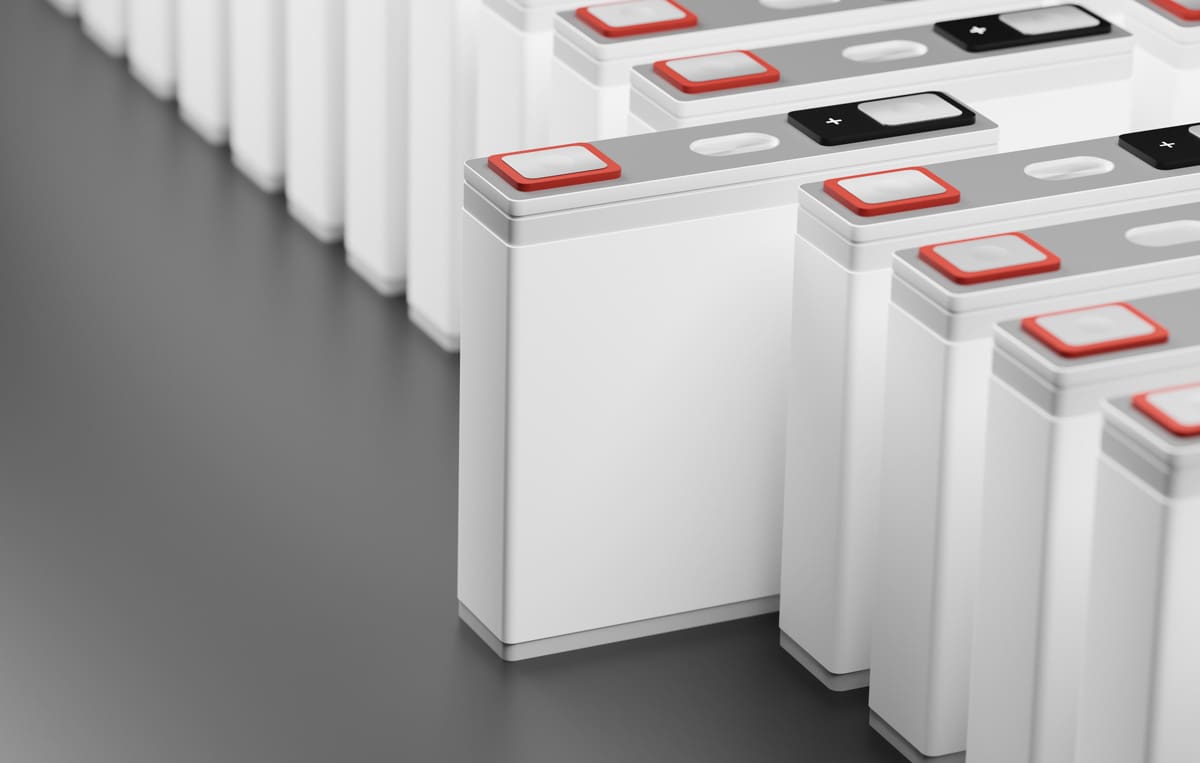
The choice of prismatic cells for the Indiana plant’s output is a critical technical detail. Prismatic cells offer distinct advantages in packaging and thermal management, particularly relevant for both energy storage and future EV applications.
These cells are designed to pack into a module with significantly less wasted volume compared to cylindrical cells. Their rigid, rectangular cans also require less external support than flexible pouch cells, contributing to overall structural integrity and simpler module design.
For stationary storage, cells are optimized differently than those for electric vehicles. ESS cells primarily emphasize “cycle life and cost per kilowatt-hour above specific energy.” This means they are engineered for longevity and economic efficiency over repeated charge-discharge cycles, rather than the high power density and light weight crucial for automotive applications.
Despite the immediate focus on ESS, the future potential for EV applications from the Samsung SDI Indiana battery plant remains. The two companies have signed a new joint development agreement specifically covering prismatic cells for potential future EV applications, indicating that GM’s technological expertise in electric vehicles will continue to be leveraged.
Sustaining the Strategic Partnership with General Motors
Despite the dissolution of the direct ownership stake in SynergyCells, the strategic relationship between Samsung SDI and General Motors remains intact and continues to evolve. An official from Samsung SDI affirmed this commitment, stating, “While reflecting recent market changes, this acquisition decision is to continue the strategic partnership with GM.”
This sentiment is reinforced by the newly formed joint development agreement. This agreement signals a shift from a shared manufacturing venture to a collaborative research and development effort, focusing on advanced prismatic cell technologies that could power future GM electric vehicles. This ensures that both companies can adapt to market needs while still benefiting from each other’s strengths.
Broader Implications for North American Battery Landscape
Samsung SDI’s move to establish its first independently operated battery production base in North America is a significant development for the region’s burgeoning battery ecosystem. The ability for a major global battery manufacturer like Samsung SDI to control its own supply chain in the U.S. enhances regional battery security and supply chain resilience.
The strategic pivot to ESS also diversifies the North American battery manufacturing portfolio. As renewable energy sources like solar and wind become more prevalent, the demand for large-scale, reliable energy storage solutions is escalating. The Samsung SDI Indiana battery plant will play a crucial role in meeting this demand, contributing to grid stability and the wider adoption of green energy.
This development positions Samsung SDI as a key player not only in the future of electric mobility but also in the broader energy transition taking place across North America, underpinning both the automotive and utility sectors with advanced battery technology.
Conclusion
The acquisition of GM’s stake in SynergyCells and the subsequent strategic pivot of the Samsung SDI Indiana battery plant to ESS production mark a pragmatic and forward-looking adjustment to current market realities. While the immediate focus shifts to meeting the burgeoning demand for energy storage, the continued joint development agreement with GM underscores a persistent and evolving strategic partnership in advanced battery technology for future EV applications.
This move solidifies Samsung SDI’s independent manufacturing foothold in North America, enhancing its capacity to serve diverse energy markets and adapt to the accelerating pace of technological innovation in the battery sector.
Frequently Asked Questions
What is the primary change in the Samsung SDI-GM battery joint venture?
Samsung SDI has acquired GM’s 49.99% stake in SynergyCells, making the New Carlisle, Indiana plant Samsung SDI’s first independently operated battery production base in North America.
What kind of cells will the Indiana plant produce initially?
Initially, the Samsung SDI Indiana battery plant will produce prismatic cells specifically for Energy Storage Systems (ESS), rather than solely for electric vehicles, due to high demand in the U.S. storage market.
What was the original plan for the joint venture?
The original plan, finalized in August 2024, involved a $3.5 billion investment for a plant to begin production in 2027, with an initial capacity of 27 GWh of nickel-rich NCA prismatic cells for EVs.
Why did Samsung SDI acquire GM’s stake?
The acquisition reflects recent market changes, including slower-than-expected growth in EV demand, which prompted both partners to seek alternative forms of strategic cooperation.
Does this mean the partnership between Samsung SDI and GM has ended?
No, the strategic partnership continues. The companies have signed a new joint development agreement for prismatic cells for potential future EV applications, maintaining their collaborative efforts.
What are the advantages of prismatic cells mentioned in the article?
Prismatic cells offer less wasted volume in modules compared to cylindrical cells and require less external support than pouch cells due to their rigid cans, making them efficient for packaging.
How are ESS cells optimized differently from EV cells?
Cells built for stationary storage (ESS) are optimized for longer cycle life and lower cost per kilowatt-hour, prioritizing durability and economic efficiency over the high specific energy crucial for EV performance.