
Key Takeaways
- Tesla is strategically launching its initial European Megacharger network to support the upcoming deployment of the Tesla Semi electric truck.
- The plan includes over 100 megawatt-capable charging stalls across 21 stations, focusing on key European logistics corridors.
- These high-powered Megachargers will deliver up to 1.2 megawatts, allowing a Tesla Semi to reach 60% charge in approximately 30 minutes.
- Tesla will also offer direct sales of both Megachargers and lower-powered Basechargers to commercial fleet operators.
- The rollout signals a significant step in establishing the necessary charging infrastructure for heavy-duty electric vehicles across the continent.
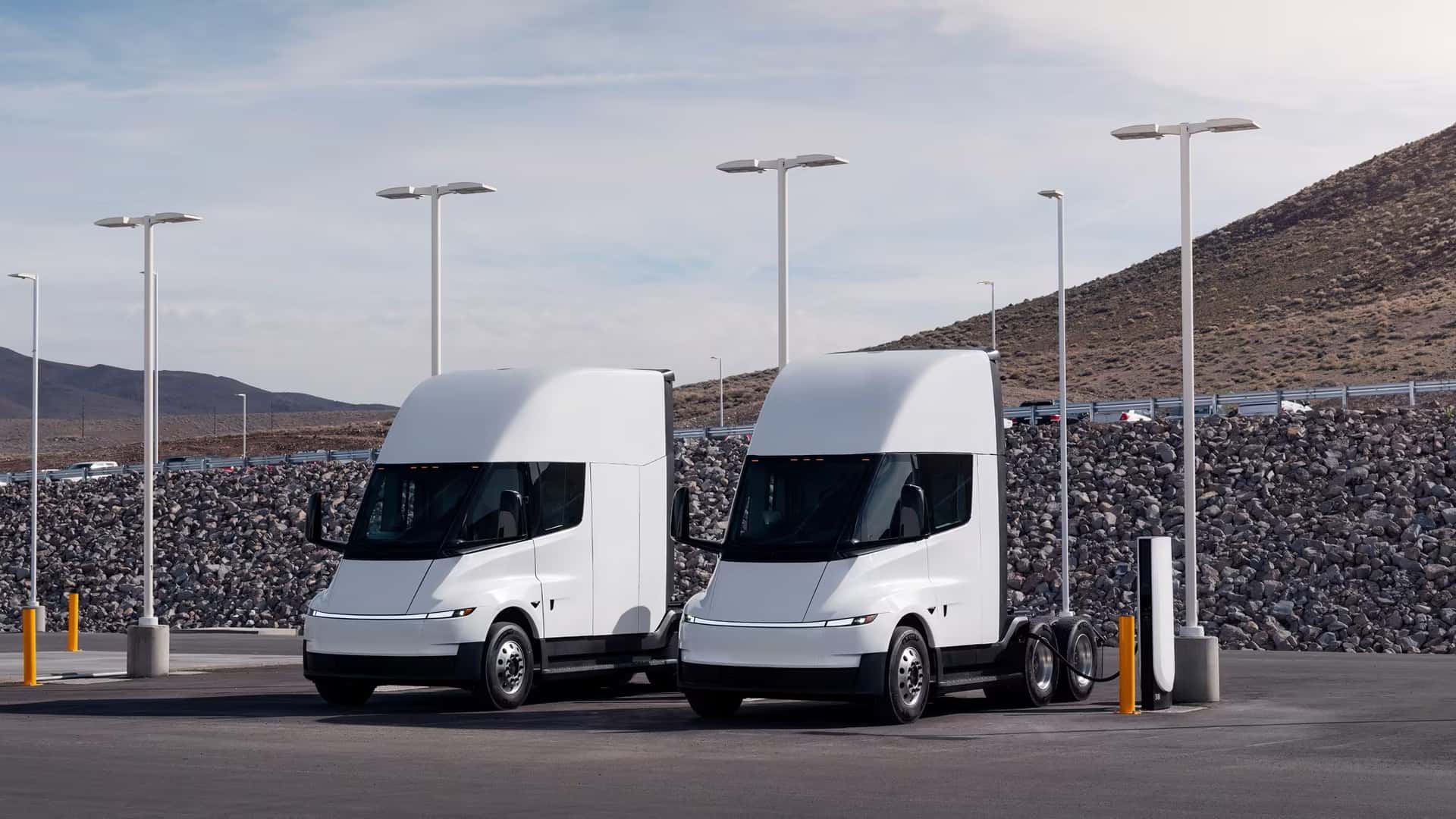
Tesla has officially initiated the deployment of its advanced Megacharger network across Europe, a pivotal move designed to underpin the imminent launch of the company’s electric heavy-duty truck, the Tesla Semi. This ambitious infrastructure development is crucial for facilitating the widespread adoption of heavy-duty EVs and advancing commercial transport electrification throughout the region.
The first deliveries of the Tesla Semi in Europe are slated for the coming year, marking a significant entry into the continent’s demanding freight sector. Unlike conventional diesel trucks, these futuristic electric trucks necessitate a robust, high-powered charging ecosystem to ensure operational viability and efficiency for long-haul transport.

Strategic European Charging Infrastructure Expansion
Tesla has meticulously mapped out the locations for its inaugural megawatt-capable chargers in Europe. This strategic placement aims to provide comprehensive support for the market introduction of the battery-powered Tesla Semi.
According to Dan Priestley, head of Semi development at Tesla, the company plans to install over 100 Megachargers across 21 dedicated stations within the region. While a precise timeline for this initial rollout was not disclosed, the announcement underscores Tesla’s commitment to building a formidable EV charging network.
Key Locations for the Initial Rollout
During Priestley’s presentation at the prestigious IAA Transportation fair in Hanover, a detailed slide revealed the European countries slated to receive the first Tesla-branded megawatt chargers. These include Germany, France, the United Kingdom, Sweden, Belgium, the Netherlands, and Luxembourg. These nations represent vital economic hubs and key logistical corridors, making them strategic choices for the deployment of a new generation of electric trucks.

Advanced Megacharger Technology for Heavy-Duty EVs
The Tesla Megachargers are engineered to deliver unparalleled charging speeds, critical for minimizing downtime in fleet operations. Each unit is capable of delivering up to 1.2 megawatts of power, a capacity essential for rapidly replenishing the substantial battery packs of the Tesla Semi.
This impressive power output translates into practical benefits for operators, enabling the Semi’s huge battery pack to reach approximately 60% state of charge in roughly 30 minutes. Such rapid charging is a game-changer for long-haul transport, ensuring that electric trucks can maintain demanding schedules.
Technical Specifications and Power Delivery
Specifically designed for the European market, these Megachargers will feature a 1,000-volt power cabinet. Each station will house two charging stalls, capable of transmitting up to 1,500 amperes of current to compatible electric vehicles. This high-voltage, high-amperage architecture is at the forefront of electric vehicle charging technology, specifically tailored for the energy demands of heavy-duty EVs.
Charging Standards and Interoperability Challenges
The Tesla Semi and its dedicated Megacharger network are fitted with an MCS 3.2 connector (Megawatt Charging System). This advanced connector standard is designed to handle the immense power required by electric trucks.
However, the proprietary nature of this connector means that other power-hungry electric trucks currently on the market, which may utilize different charging standards, will not be able to directly use Tesla’s megawatt chargers in the region. This highlights a nascent challenge in establishing universal charging infrastructure for the diverse heavy-duty EV landscape.
Addressing Compatibility: CCS Adapters
Recognizing the need for broader charging options, Tesla will provide CCS adapters to its Semi customers. This provision is a practical solution, enabling Tesla Semi electric trucks to recharge at CCS2 stalls located across the continent. The CCS2 standard is widely adopted in Europe for passenger EVs and some commercial vehicles, offering an important secondary charging option for fleet operations.
Expanding Charging Solutions: Direct Sales to Fleet Operators
Beyond establishing a public Megacharger network across Europe, Tesla is also venturing into direct sales of its charging hardware. The company will offer its sleek Megacharger dispensers, along with lower-powered Basechargers, to businesses that require their own on-site charging stalls, such as logistics hubs and distribution centers.
This strategy allows commercial fleet operators to integrate Tesla’s advanced charging solutions directly into their existing infrastructure, providing greater control and flexibility over their electric truck fleets. The order books for both the Megacharger and the Basecharger are currently open, with the first European deliveries anticipated for the middle of next year.
Pricing and Configurations for Commercial Deployment
For businesses looking to invest in this cutting-edge charging technology, a Megacharger bundle, comprising a power cabinet and two stalls, is priced at €163,000. This package offers a robust solution for rapid turnaround charging requirements.
Alternatively, the 120-kW all-in-one Basecharger is available for €17,000. It is important to note that the Basecharger comes with a mandatory two-unit order, indicating Tesla’s focus on scalable solutions for commercial clients.
The Basecharger: A Flexible Alternative for Fleet Charging
The Basecharger unit integrates all necessary components into a single housing, presenting a more compact and streamlined charging solution. It is primarily geared toward companies that can accommodate longer charging periods for their electric trucks, such as overnight charging or during planned downtime.
With a DC output of 120 kW and an AC output of 125 kW, the Basecharger offers substantial power for continuous charging. According to Tesla, this unit can increase the Semi’s state of charge to 80% in approximately four hours, providing a cost-effective and efficient charging option for various operational models within commercial transport electrification.
Impact on European Logistics and Future Outlook
The rollout of Tesla’s Megacharger network and the availability of its charging hardware for direct purchase signify a major accelerant for the electrification of the European logistics sector. By providing a dedicated and powerful charging solution for the Tesla Semi, the company is directly addressing one of the primary hurdles to mass EV truck adoption: reliable and fast charging infrastructure.
This development will likely spur further investment and innovation in the heavy-duty EV market, pushing other manufacturers and infrastructure providers to enhance their offerings. The eventual success of the Tesla Semi and its charging ecosystem in Europe could fundamentally reshape the landscape of commercial transport, moving closer to zero-emission logistics and a greener future for freight movement across the continent.
FAQ Section
What is the Tesla Semi Megacharger network?
The Tesla Semi Megacharger network is a specialized charging infrastructure designed to support the Tesla Semi electric truck in Europe. It features high-power charging stalls capable of delivering up to 1.2 megawatts of electricity, significantly reducing charging times for heavy-duty electric vehicles.
Which European countries will receive the first Megachargers?
The initial rollout of Tesla’s Megachargers in Europe will prioritize Germany, France, the United Kingdom, Sweden, Belgium, the Netherlands, and Luxembourg. These strategically chosen locations aim to cover key logistics routes and major economic centers.
How fast can a Tesla Semi charge using a Megacharger?
Tesla’s Megachargers can replenish the Tesla Semi’s large battery pack to approximately 60% state of charge in roughly 30 minutes. This rapid charging capability is crucial for maintaining efficient operations for long-haul electric trucks.
Can other electric trucks use Tesla’s Megachargers?
The Tesla Megachargers utilize an MCS 3.2 connector, which means that other electric trucks not equipped with this specific standard may not be able to directly use these charging stalls. However, Tesla will provide CCS adapters for Semi customers to access CCS2 charging points.
Will Tesla sell Megachargers and Basechargers to businesses?
Yes, Tesla is offering its Megachargers and Basechargers for direct purchase by businesses, such as logistics hubs and fleet operators. This allows companies to establish their own private charging infrastructure to support their Tesla Semi fleets.
What is the difference between a Megacharger and a Basecharger?
A Megacharger provides up to 1.2 megawatts of power for ultra-fast charging. A Basecharger, an all-in-one unit, offers 120 kW DC and 125 kW AC output, designed for longer charging periods, such as overnight charging, taking about four hours to reach 80% charge.