
Key Takeaways:
- EVgo is set to deploy next-generation 750 kW DC fast chargers, doubling its current maximum output.
- These new high-power EV chargers will feature dynamic power sharing and touchless payment interfaces.
- The network expansion includes a significant boost in NACS ports, aiming to double EVgo’s addressable market.
- The advanced charging technology is designed to enable 10-minute charging sessions for the fastest EVs and future-proof the network for heavy-duty electric vehicles.
- Development is underway at EVgo’s Innovation Lab in California, with initial deployments expected in the coming year.
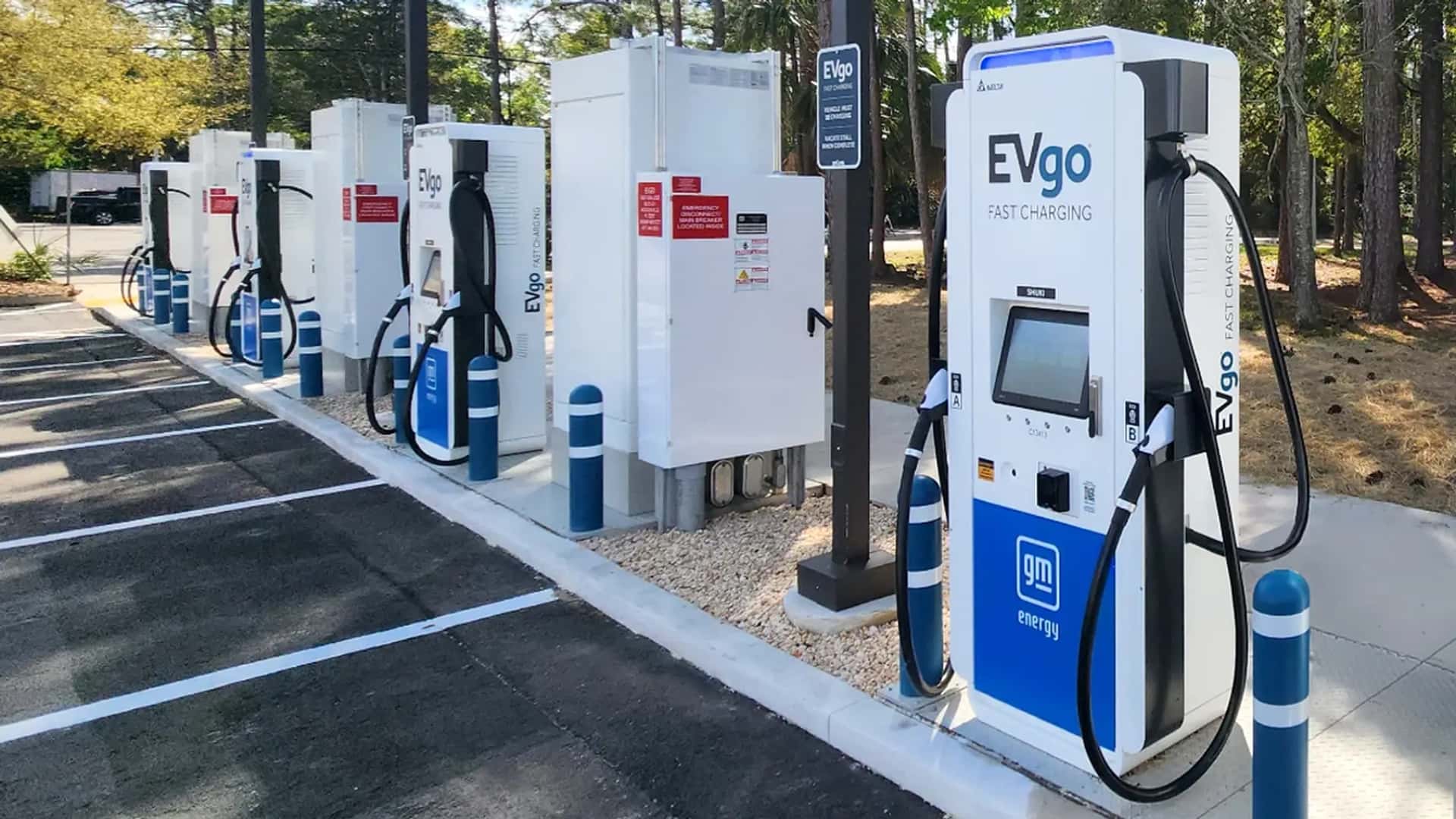
EVgo, a prominent player in the United States’ rapidly evolving electric vehicle (EV) charging infrastructure, is embarking on a significant upgrade to its network. The company has announced plans to roll out next-generation fast chargers capable of delivering an unprecedented 750 kilowatts (kW) of power, a substantial increase from its existing 350 kW maximum.
This strategic move is expected to profoundly impact the landscape of public EV charging, addressing crucial concerns about charging speed and accessibility for a growing fleet of battery electric vehicles across the nation. The development underscores a critical phase in the US’s journey towards widespread EV adoption, highlighting the industry’s commitment to overcoming infrastructure hurdles.
Boosting Charging Speeds: The 750 kW Leap
The introduction of 750 kW high-power EV chargers marks a significant technological advancement within the public charging sector. These systems are designed to deliver power outputs more than double EVgo’s current highest offerings, promising dramatically reduced charging times for compatible electric vehicles.
The intensive design, development, and rigorous testing of these cutting-edge chargers are currently underway at EVgo’s state-of-the-art Innovation Lab in El Segundo, California. This dedicated facility plays a pivotal role in bringing the company’s next-generation charging solutions from concept to reality, ensuring reliability and performance.
Innovative Features for Enhanced User Experience
While many specifics regarding the new 750 kW high-power EV chargers remain under wraps, EVgo has disclosed several key features that aim to elevate the charging experience for drivers. One notable enhancement is the integration of a touchless payment interface.
This innovation will allow EV drivers to initiate and complete charging sessions without the necessity of downloading a specific smartphone application, streamlining the process and reducing potential friction points. Such user-centric design improvements are critical for encouraging broader public adoption of electric vehicles.
Dynamic Power Sharing: Optimising Every Charge
A cornerstone of EVgo’s upcoming hardware is its dynamic power sharing capability. This advanced functionality means that the charging station can intelligently allocate power to each connected EV based on its individual capacity and charging requirements.
For instance, if vehicles with varying charging rates, such as a Lucid Gravity and a Tesla Model 3, are simultaneously connected to the same stall, the system will dynamically distribute power. This ensures that each vehicle receives the maximum power it can handle efficiently, potentially supplying 400 kW to a Gravity and 250 kW to a Model 3, thereby optimising charging efficiency for multiple users.
This intelligent power distribution is a crucial development for managing demand at busy charging hubs and ensuring that resources are utilised effectively. It represents a significant step forward in the overall efficiency and user satisfaction of public EV charging infrastructure.
Future-Proofing the EV Charging Network
The deployment of 750 kW high-power EV chargers signifies EVgo’s forward-thinking strategy to future-proof its extensive network. Currently, no commercially available electric vehicles in the United States can fully accept a 750 kW charge rate. However, the global EV market is witnessing the emergence of vehicles capable of accepting 1,000 kW or even higher inputs, indicating a clear trend towards increased charging capacities.
This proactive investment positions EVgo to cater to upcoming generations of electric cars and, crucially, to the burgeoning market for electric trucks. Heavy-duty electric vehicles, with their significantly larger battery packs, demand massive amounts of power to achieve reasonable charging times, making 750 kW stalls an ideal fit for replenishing their energy needs efficiently.
The company’s commitment to preparing its infrastructure for heavier, longer-range vehicles highlights a comprehensive approach to supporting the diverse needs of the future electric fleet. This includes addressing the critical infrastructure requirements for commercial logistics and long-haul transportation, areas where rapid charging is paramount.
Embracing NACS and Expanded Market Reach
Alongside its hardware advancements, EVgo is strategically boosting the deployment of North American Charging Standard (NACS) ports at its new stations. This move is anticipated to significantly expand the company’s addressable market, potentially doubling the number of electric vehicles that can seamlessly connect to its network in the near future.
The increasing adoption of NACS across the industry streamlines the charging experience for a wider range of EV drivers, reducing the need for adapters and promoting greater interoperability across different vehicle brands. This harmonisation of charging standards is a critical factor in accelerating mass EV adoption.
Impact on Drivers: Accelerating the EV Experience
For America’s EV drivers, the rollout of these advanced high-power EV chargers translates directly into tangible benefits. EVgo projects that its new 750 kW system will enable ultra-rapid charging sessions, potentially allowing the fastest charging vehicles to reach a substantial state of charge in as little as 10 minutes.
Such rapid charging capabilities are pivotal for alleviating range anxiety and making electric vehicles a more viable option for long-distance travel and daily commutes. This substantial reduction in waiting times at public charging stations enhances the convenience and practicality of EV ownership, bringing the experience closer to conventional refuelling.
The United States, while making strides in vehicle electrification, is actively working to catch up with other developed nations in terms of charging infrastructure density and power. These upgrades by EVgo contribute significantly to closing that gap, providing a robust selection of fast-charging options for existing and future EVs.
Deployment Timeline and Current Network Footprint
Further details regarding the final design and the initial deployment schedule for the 750 kW system are expected to be revealed next year, with the first stations anticipated to go online shortly thereafter. This phased rollout will allow for continuous evaluation and optimisation of the new technology.
As of recent data from the Department of Energy’s Alternative Fuels Data Center (AFDC), EVgo currently operates a substantial network of nearly 2,000 DC fast charging stations across the United States. These stations collectively offer over 5,300 individual charging ports, making EVgo one of the nation’s largest and most accessible public charging networks.
The ongoing expansion and technological upgrades of this network are vital for supporting the national goal of transitioning to a sustainable transportation future. Ensuring a reliable, fast, and user-friendly charging experience is paramount for accelerating EV adoption rates across all segments of the market.
The Broader Implications for EV Infrastructure
EVgo’s investment in high-power EV chargers is part of a broader industry trend towards more robust and efficient charging solutions. The demand for faster charging is driven by several factors, including larger EV battery capacities, consumer expectations for convenience, and the need to reduce charging times during road trips or daily errands.
The challenges of building out a comprehensive EV charging network are significant, encompassing everything from grid integration and power supply to real estate acquisition and maintenance. Innovations like dynamic power sharing and touchless payments address some of these complexities, improving both operational efficiency and user satisfaction.
As electric vehicle sales continue to climb, the availability of reliable, high-speed public charging infrastructure becomes increasingly critical. Companies like EVgo are at the forefront of this transformation, leveraging technological advancements to support the widespread adoption of electric mobility and pave the way for a cleaner, more sustainable transportation ecosystem.
FAQ Section
What is the key upgrade EVgo is making to its charging network?
EVgo is deploying next-generation DC fast chargers capable of delivering up to 750 kilowatts (kW) of power. This represents a significant increase from their current maximum offering of 350 kW, enabling much faster charging speeds for electric vehicles.
What new features will these high-power EV chargers include?
The new 750 kW chargers will incorporate a touchless payment interface for seamless transactions and dynamic power sharing. Dynamic power sharing intelligently allocates optimal power to each connected EV, ensuring efficient charging for different vehicle models simultaneously.
How will dynamic power sharing benefit EV drivers?
Dynamic power sharing allows the charging station to adapt to each EV’s specific needs, delivering the maximum power it can accept. This means multiple vehicles can charge efficiently at the same stall, preventing bottlenecks and optimising charging times for all users.
What does future-proofing the EVgo network mean?
Future-proofing refers to EVgo’s strategy of anticipating future technological demands. While no current US EVs accept 750 kW, this capacity prepares the network for upcoming higher-power electric cars and, crucially, for heavy-duty electric trucks which require immense power to charge their large batteries quickly.
What is the significance of integrating NACS ports?
By boosting the deployment of North American Charging Standard (NACS) ports, EVgo aims to significantly expand its addressable market. This move allows more EV models, particularly those adopting NACS, to seamlessly connect to EVgo’s network, enhancing accessibility and convenience for a broader range of drivers.
What impact will these new chargers have on charging times?
EVgo anticipates that its new 750 kW system will enable incredibly fast charging sessions, allowing the quickest charging electric vehicles to achieve a substantial charge in approximately 10 minutes. This greatly enhances the practicality of EV ownership for everyday use and long-distance travel.
When can EV drivers expect to see these new chargers deployed?
While design, development, and testing are ongoing at EVgo’s Innovation Lab, more details regarding the final design and the initial deployment schedule for the 750 kW system are expected to be unveiled next year, with the first stations going online shortly thereafter.