
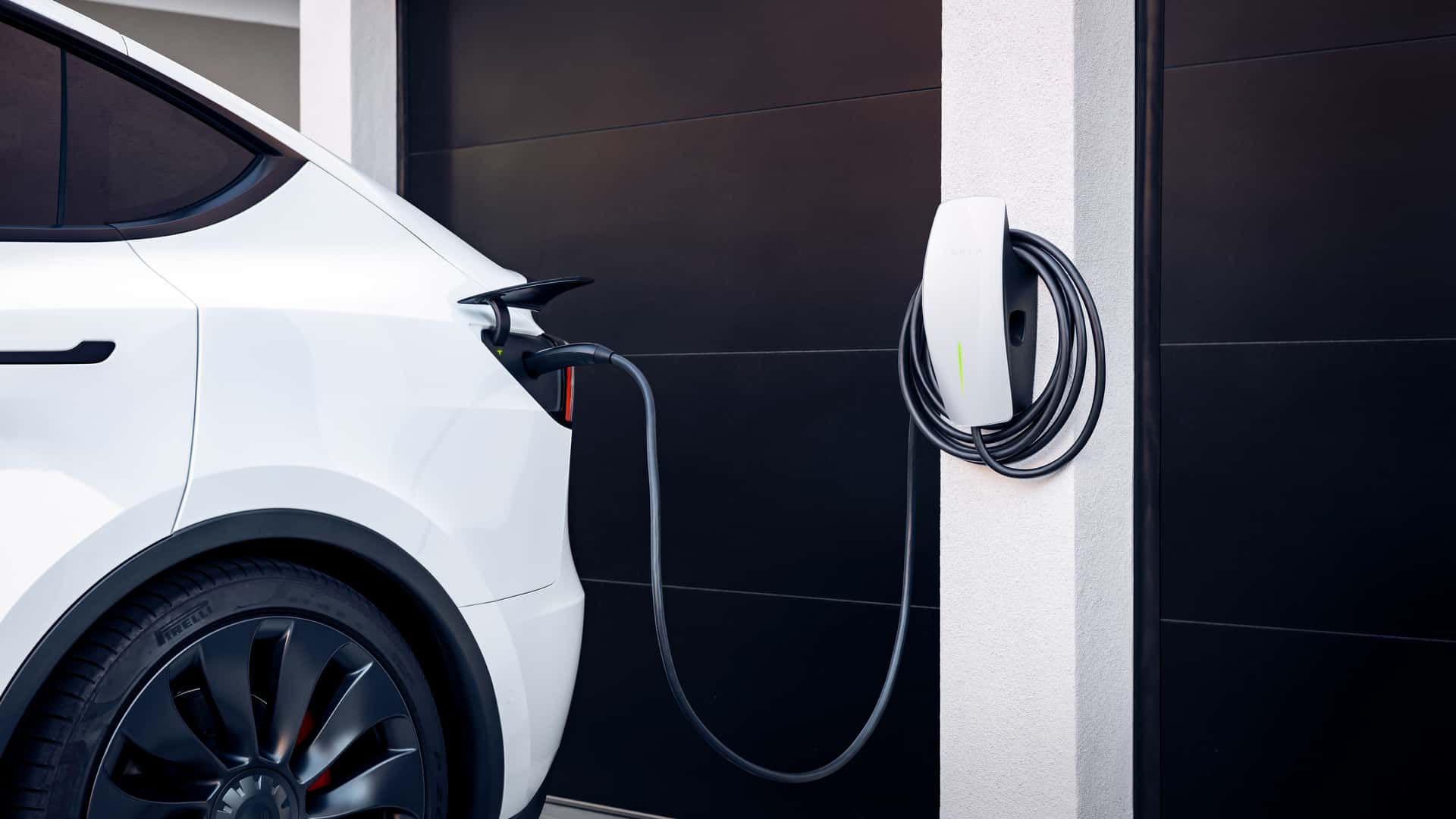
In a significant development for electric vehicle owners and home energy management, Tesla has announced that its popular Model 3 and Model Y vehicles are now equipped with vehicle-to-home (V2H) functionality. This new capability allows these electric cars to serve as a backup power source for residential properties during electrical blackouts, marking a strategic expansion of Tesla’s Powershare feature.
Previously, Tesla’s advanced bidirectional charging technology, known as Powershare, was exclusively available to owners of the Cybertruck. The integration into the Model 3 and Model Y brings advanced energy resilience to a broader segment of the electric vehicle market, offering a practical solution for power outages.
Key Takeaways (TL;DR)
- Tesla has extended its V2H Powershare feature to include Model 3 and Model Y vehicles, enabling them to power homes during blackouts.
- This marks a significant expansion, as V2H capability was previously exclusive to the Tesla Cybertruck.
- To utilize this feature, owners must invest in specific, costly hardware, including a Tesla Powerwall or Powershare Gateway, and a Wall Connector.
- The Model 3 and Model Y, when properly configured, can supply 15 kW of power back to the home.
- For homes already equipped with a Powerwall, a V2H-enabled vehicle can extend backup power duration by an additional two days, based on a 30 kWh daily household energy consumption.
Tesla’s Strategic Expansion into Home Energy Backup
The introduction of V2H capability to the Tesla Model 3 and Model Y signifies a pivotal moment in the convergence of automotive and home energy solutions. This move positions Tesla not just as a leader in electric vehicles but also as a key player in residential energy independence and grid resilience.
By leveraging the substantial battery capacities of its electric cars, Tesla is empowering owners to transform their vehicles into essential components of their home energy infrastructure. This functionality offers peace of mind during unexpected power disruptions, a growing concern in many regions due to aging grids and extreme weather events.
Initial Introduction with the Cybertruck
Tesla’s journey into vehicle-to-home power began with the Cybertruck, which was the first model to feature the Powershare technology. The robust design and advanced electrical architecture of the Cybertruck made it an ideal candidate for demonstrating the potential of bidirectional charging. Its initial rollout laid the groundwork for further integration across Tesla’s product line.
The experience gained from the Cybertruck’s Powershare implementation has evidently informed the expansion to the Model 3 and Model Y, ensuring a more refined and robust system for these high-volume vehicles.
Understanding Tesla Powershare and Vehicle-to-Home Technology
Vehicle-to-home (V2H) technology allows an electric vehicle’s high-capacity battery to discharge power back into a home’s electrical system. This differs from standard unidirectional charging, where power only flows from the grid to the vehicle.
The Powershare feature from Tesla represents an advanced implementation of V2H, designed to seamlessly integrate with a home’s existing electrical setup and Tesla’s broader energy ecosystem.
How Vehicle-to-Home (V2H) Works
When a power outage occurs, a V2H-enabled Tesla vehicle, connected to the appropriate home charging infrastructure, can automatically detect the disruption. It then begins to supply electricity from its battery pack to power essential household appliances and systems.
This effectively turns the electric car into a large-scale, mobile backup generator, offering a clean and quiet alternative to traditional fossil fuel generators. The system is designed to provide a continuous flow of electricity, ensuring critical home functions remain operational.
Essential Hardware and Associated Costs for Tesla V2H Capability
While the prospect of a Tesla vehicle powering one’s home is appealing, implementing the Powershare feature for Model 3 and Model Y owners requires a significant investment in specialized hardware. This infrastructure is crucial for safely and efficiently converting the vehicle’s DC battery power into AC power suitable for household use.
Requirements for Model 3 and Model Y Owners
For owners of the Model 3 and Model Y to activate the V2H functionality, several key components are mandatory. These include a Tesla Powerwall, the company’s established home battery storage system, and a Tesla Wall Connector.
The Powerwall 3, including installation, typically costs around $15,000. Additionally, a Tesla Wall Connector is priced at $585. Once this comprehensive system is installed and configured, the Model 3 or Model Y can deliver a robust 15 kW of power back to the home, sufficient to run multiple major appliances simultaneously during an outage.
It is important to note that this feature is available for vehicles purchased on or after October 1, along with select models acquired before that date, indicating a specific hardware or software update requirement for compatibility.
Streamlined Setup for Cybertruck Owners
The Cybertruck’s design includes an onboard DC-to-AC converter, simplifying its V2H setup compared to the Model 3 and Model Y. Cybertruck owners only need to install a Universal Wall Connector and a Powershare Gateway to utilize the home backup feature.
These components are conveniently offered as part of Tesla’s Powershare Home Backup Bundle, which is available for $1,970. This integrated solution provides a more direct path to activating the vehicle’s home power capabilities for Cybertruck owners.
Enhanced Energy Resilience and Practical Benefits
The ability of Tesla Model 3 and Model Y vehicles to provide backup power during blackouts offers tangible benefits, extending beyond mere convenience. It significantly enhances residential energy resilience, allowing homeowners to navigate prolonged power interruptions with greater comfort and security.
This advanced Tesla V2H capability represents a leap towards more self-reliant home energy systems, mitigating the impact of grid instabilities.
Extending Backup Power Duration
For households already equipped with a Tesla Powerwall, integrating a Powershare-enabled Model 3 or Model Y further augments their energy security. By linking the vehicle to this existing system, owners can substantially prolong their backup power duration.
Tesla estimates that a connected vehicle can extend the home’s backup power by an additional two days, assuming an average household energy usage of 30 kWh per day. This extended capacity is particularly valuable during widespread or protracted power outages, ensuring critical services and comfort remain available for longer periods.
The Growing Landscape of EV Home Integration
Tesla is not alone in recognizing the potential of vehicle-to-home technology. A growing number of electric vehicle manufacturers are incorporating bidirectional charging capabilities into their models, positioning EVs as versatile energy assets rather than just modes of transportation.
Beyond Tesla, models from other automotive giants like various Chevrolet and Cadillac EVs, the Kia EV9, and the Nissan Leaf are also offering V2H functionality. This industry-wide trend underscores a broader shift towards integrating electric vehicles into a more dynamic and resilient energy ecosystem.
The Future of Bidirectional Charging and Home Energy Management
The expansion of Tesla V2H capability to the Model 3 and Model Y highlights a promising future for home energy management. As electric vehicle technology continues to evolve, bidirectional charging is expected to play an increasingly critical role in supporting grid stability and facilitating the adoption of renewable energy sources.
Beyond V2H, the concept of vehicle-to-grid (V2G) holds even greater potential, allowing EVs to not only power homes but also contribute excess energy back to the main power grid. This advancement could transform electric vehicles into crucial components of a decentralized, sustainable energy infrastructure, helping to balance supply and demand and enhance overall grid efficiency.
The current developments with Tesla’s Powershare feature serve as an important step towards this more integrated and sustainable energy future, offering immediate practical benefits for millions of electric vehicle owners.
Frequently Asked Questions (FAQ)
What is Tesla’s Powershare feature?
Powershare is Tesla’s brand for its vehicle-to-home (V2H) capability. It allows compatible Tesla electric vehicles, such as the Model 3, Model Y, and Cybertruck, to supply electricity from their large battery packs directly to a home during power outages, effectively acting as an emergency generator.
Which Tesla models currently support V2H capability?
Initially launched with the Cybertruck, Tesla has now extended its Powershare V2H functionality to include the Model 3 and Model Y. This expansion significantly broadens the availability of home backup power solutions for Tesla owners across popular electric car segments.
What hardware is needed for Model 3 and Model Y to power a home?
To enable V2H for the Model 3 and Model Y, owners must install a Tesla Powerwall (Tesla’s home battery storage system) and a Tesla Wall Connector. This system facilitates the safe and efficient transfer of power from the vehicle to the residential electrical grid during outages.
How much does the required V2H hardware cost for Model 3/Y owners?
The estimated cost for the essential hardware includes approximately $15,000 for a Powerwall 3 (including installation) and $585 for a Tesla Wall Connector. This represents a substantial upfront investment to gain the vehicle-to-home power backup functionality.
How much power can a Tesla Model 3 or Model Y output to a home?
When properly integrated with the necessary home energy infrastructure, a V2H-enabled Tesla Model 3 or Model Y can output up to 15 kW of power back to the home. This robust power supply is sufficient to operate a wide range of household appliances during an electricity disruption.
Can V2H extend the duration of a home’s backup power?
Yes, for homes already equipped with a Tesla Powerwall, connecting a Powershare-enabled Model 3 or Model Y can significantly extend backup power duration. Tesla indicates this can add an additional two days of backup, based on an average daily household energy consumption of 30 kWh.