
Key Takeaways
- California has launched a new funding round of at least $28 million through its Fast Charge California Project to boost public DC fast charger installations.
- The program offers substantial incentives, covering up to 100% of eligible costs for new public EV charging ports, with a maximum of $100,000 per port for high-power units.
- Funding is allocated on a first-come, first-served basis, with a strategic focus on prioritizing projects within disadvantaged and low-income communities.
- The initiative is a crucial component of the broader California Electric Vehicle Infrastructure Project (CALeVIP), which has facilitated over 10,200 charger installations statewide since its inception in 2017.
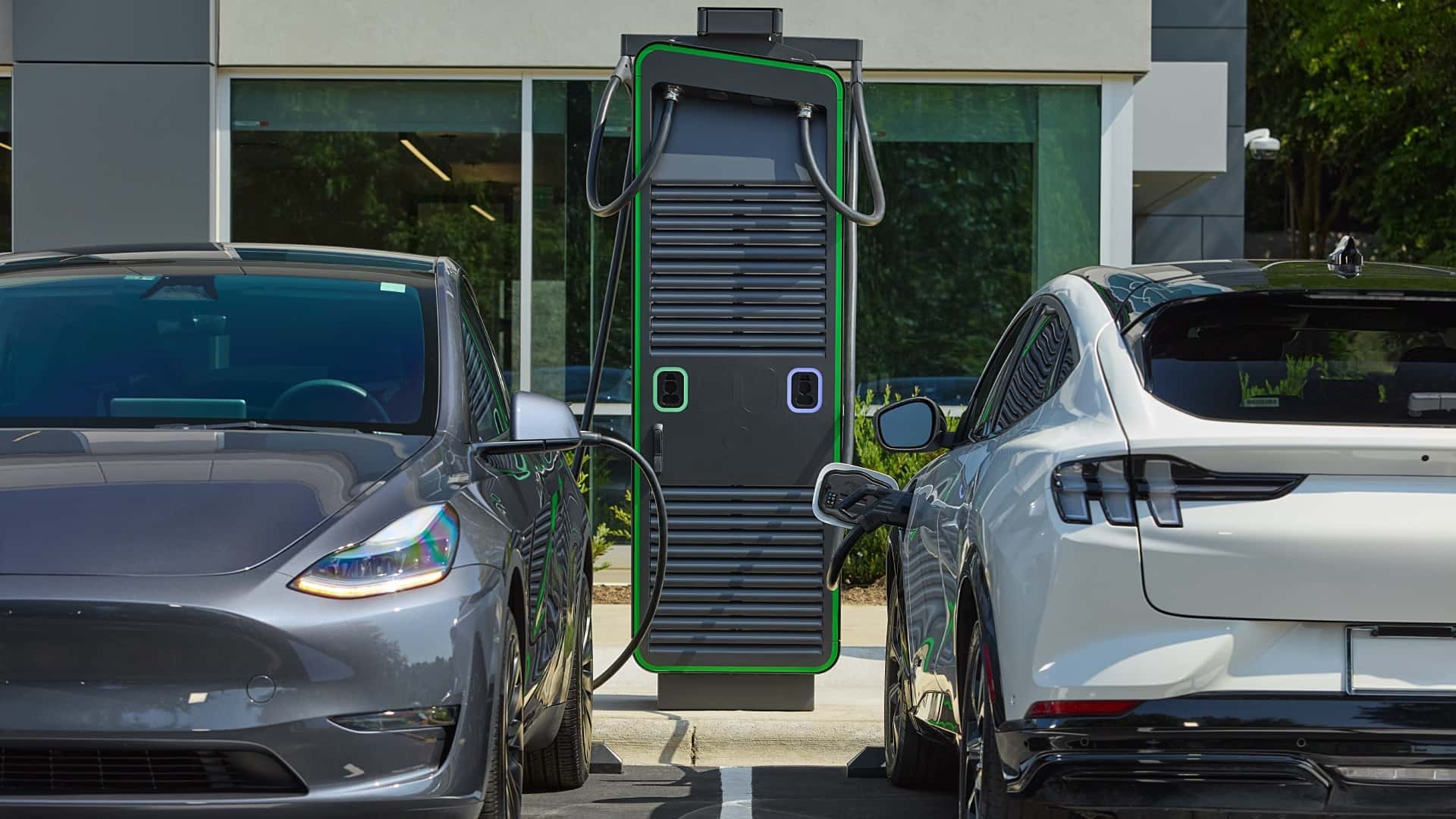
SACRAMENTO, California – The state of California has initiated a significant new phase in its ambitious drive to expand electric vehicle (EV) charging infrastructure, announcing a fresh round of incentives totaling at least $28 million. This funding is specifically earmarked for the installation of new public DC fast chargers, offering unprecedented financial support to accelerate the deployment of a robust EV charging network across the state.
Under the California Energy Commission’s (CEC) Fast Charge California Project, eligible entities can receive up to $100,000 for a single public EV charging port. This second funding window, designed to foster the proliferation of high-speed charging solutions, commenced recently and is slated to run through January 14, 2027.
Strategic Investment in EV Charging Infrastructure
California continues to lead the nation in electric vehicle adoption, necessitating a commensurate expansion of its charging ecosystem. The Fast Charge California Project is a pivotal state-level initiative aimed at bridging the gap in public charging availability, particularly for DC fast chargers that are critical for long-distance travel and quick top-ups.
The latest funding round, amounting to a minimum of $28 million, underscores the state’s commitment to supporting the growing fleet of electric vehicles. This strategic investment is designed to incentivize businesses, public facilities, and other eligible entities to develop ready-to-build charging projects without substantial upfront capital burdens.
Incentive Structure and Eligibility Criteria
The incentive program features a tiered payment structure, directly linked to the power output of the charging ports. Charging stalls capable of delivering between 150 kilowatts (kW) and 274.99 kW are eligible for subsidies of up to $55,000 per public EV charging port. For more powerful units, specifically those that can deliver a minimum of 275 kW, the maximum incentive escalates to $100,000 per port.
These incentives are designed to cover the full spectrum of eligible costs associated with the purchase and installation of DC fast chargers. However, strict eligibility requirements are in place to ensure efficiency and immediate impact. Only projects that are fully prepared for construction, possessing an issued permit and final utility service design, will be considered for approval.
To qualify for the funding, applicants must retain ownership of the charging equipment, ensuring long-term operational responsibility. Furthermore, all funded chargers must be publicly accessible, expanding the overall utility of California’s EV infrastructure. A critical technical requirement mandates that sites must feature a minimum of 50% CCS (Combined Charging System) connectors, reflecting a widely adopted industry standard.
Prioritizing Access and Location Guidelines
The Fast Charge California Project emphasizes equitable access to EV charging technology. Funding will be awarded on a first-come, first-served basis, but with a clear prioritization framework. Projects situated in disadvantaged and low-income communities will receive preferential treatment, aiming to address historical disparities in infrastructure development and ensure that the benefits of electric mobility reach all residents.
Location eligibility has been refined for this funding round. While charging hubs, hotels, and business districts were previously eligible, they are no longer included in the current scope. Instead, the program is focusing on locations such as general businesses, public facilities, high-traffic destinations, and critical sites situated along major travel routes, optimizing accessibility for a broader range of EV users.
Driving Forward Zero-Emission Transportation
Spencer Reeder, Director of CEC’s Fuels and Transportation Division, articulated the imperative behind these ongoing investments. “California needs reliable fast charging in communities across the state to support the growing number of electric vehicles on the road,” Reeder stated. “This next round of Fast Charge California Project funding will help move ready-to-build projects forward, expand access to public charging, and put state investments to work in communities that have historically had fewer charging options.”
This latest round of funding follows the success of the Fast Charge California Project’s 2026 round. That prior initiative disbursed an impressive $56.9 million in EV charging incentives, facilitating the funding of over 1,200 ready-to-build fast-charging ports across California. These sustained investments are vital for supporting the state’s aggressive zero-emission vehicle targets.
The Broader CALeVIP Framework
Looking ahead, a third funding window is scheduled to open from February 24 through May 27, 2027. However, incentives during this future round will be capped at a uniform $55,000 per public EV charging port, irrespective of power output, signaling a potential shift in funding priorities or a response to evolving market conditions.
The Fast Charge California Project operates as a significant component of the larger California Electric Vehicle Infrastructure Project (CALeVIP). Launched in 2017, CALeVIP stands as the largest EV charging incentive initiative in the United States. Since its inception, the comprehensive program has played a crucial role in supporting the installation of a remarkable 10,200 EV chargers across California, significantly bolstering the state’s transition to sustainable transportation.
These ongoing initiatives collectively aim to alleviate range anxiety and make electric vehicles a practical and convenient choice for all Californians, reinforcing the state’s position at the forefront of the global electric mobility revolution. Expanding the network of public EV charging ports is not merely an infrastructure project but a foundational element of California’s environmental and economic future.
Frequently Asked Questions (FAQ)
What is the Fast Charge California Project?
The Fast Charge California Project is an initiative by the California Energy Commission offering incentives to install new public DC fast chargers for electric vehicles. It aims to expand California’s EV charging infrastructure and support the growing number of EVs on the road, with a focus on accessible, high-speed charging solutions.
How much funding is available in this round?
This second funding window of the Fast Charge California Project has allocated at least $28 million. The program offers significant financial incentives per public EV charging port, with the goal of rapidly deploying more DC fast charging stations across the state to meet increasing demand.
What are the maximum incentives per charging port?
The program provides up to $55,000 per charging port for units delivering 150 kW to 274.99 kW. For higher-power ports, specifically those delivering 275 kW or more, the incentive cap increases to $100,000 per public EV charging port, covering a substantial portion of installation costs.
Which projects are prioritized for funding?
While funding is available statewide on a first-come, first-served basis, projects located within disadvantaged and low-income communities receive priority. This ensures equitable distribution of EV infrastructure, enhancing access to clean transportation options in areas that may have historically been underserved.
What are the key eligibility requirements for applicants?
Applicants must own the charging equipment and ensure the chargers are publicly available. Projects must be ready-to-build, meaning an issued permit and final utility service design are in place. Additionally, the charging sites must feature a minimum of 50% CCS connectors to qualify for the incentives.
When does this funding window close?
This current funding window for the Fast Charge California Project is open through January 14, 2027. A third funding window is also planned, scheduled to run from February 24 through May 27, 2027, though its incentive caps will be adjusted to $55,000 per port.
What is CALeVIP’s overall impact?
The Fast Charge California Project is part of the larger California Electric Vehicle Infrastructure Project (CALeVIP). Since its launch in 2017, CALeVIP has been instrumental in supporting over 10,200 EV charger installations across California, making it the largest EV charging incentive initiative in the United States.