
Key Takeaways
- The U.S. public fast-charging network has officially exceeded 80,000 ports, marking a significant milestone in electric vehicle (EV) infrastructure development.
- Despite a 12% year-over-year decline in new port deployments and a 20% drop in new stations during Q3, the overall expansion remained substantial.
- Americans recorded a record 17.6 million public fast-charging sessions in July, highlighting increasing utilization of the expanding infrastructure.
- There’s a clear industry shift towards higher-powered charging stations, with 73% of new ports delivering at least 250 kilowatts and 400 kW becoming the most popular choice for new installations.
- Tesla continues to be a major contributor, while new players like Ionna and Walmart are rapidly expanding their charging footprints across the nation.
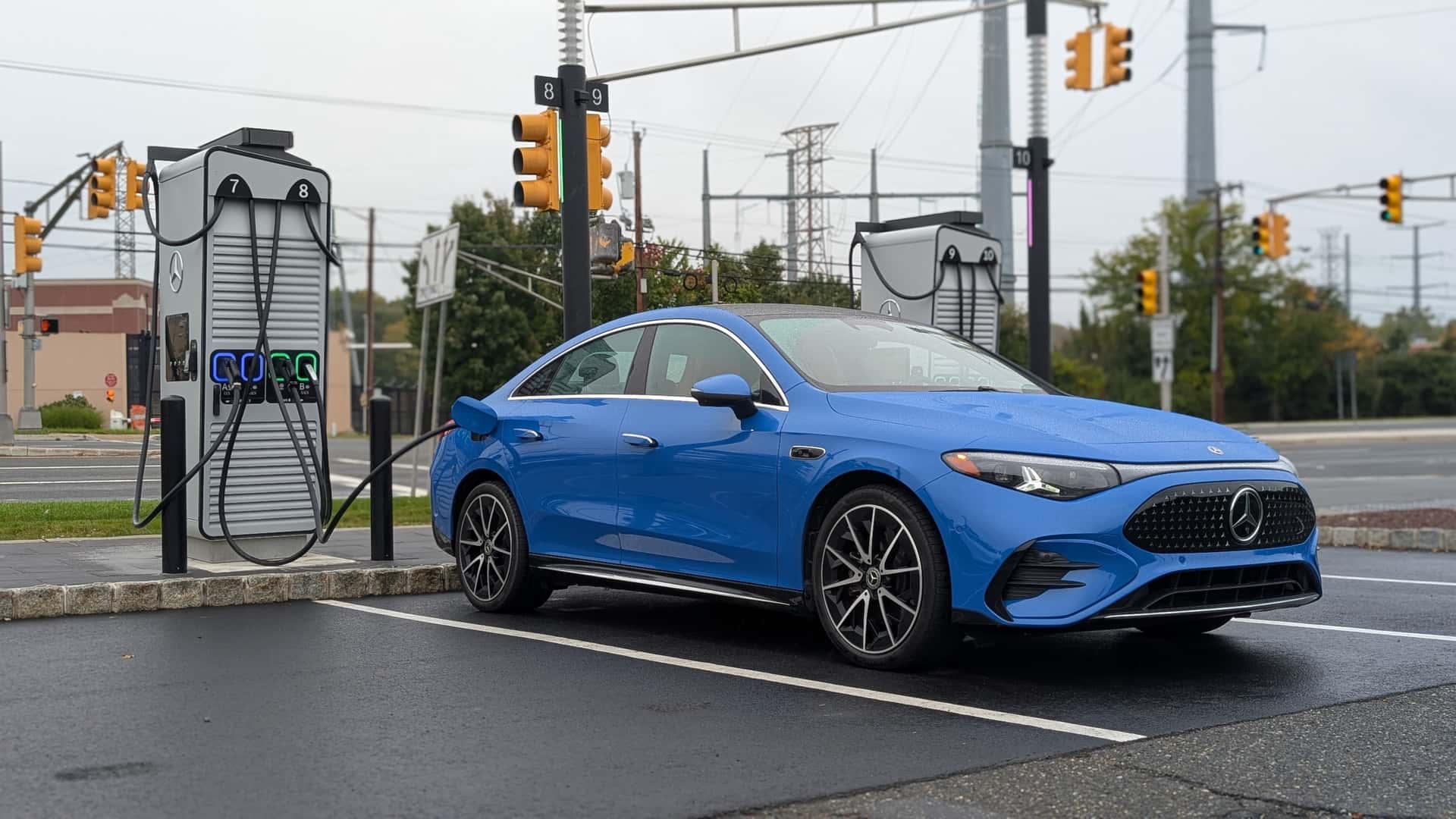
The landscape of electric vehicle (EV) charging in the United States reached a pivotal milestone in the third quarter of the year, with the nation’s public fast-charging network officially surpassing 80,000 ports. This significant expansion underscores an ongoing commitment to bolstering the infrastructure necessary to support the growing adoption of electric vehicles nationwide.
While the pace of deployment saw a slight deceleration compared to the previous year, the strategic additions of thousands of high-powered charging ports across hundreds of new stations signal a forward-looking investment by charging networks. This development comes as EV sales experienced a period of cooling, partly influenced by adjustments in government policies.
Steady Growth Amidst Evolving EV Market Dynamics
According to comprehensive data released by the charging intelligence platform Paren, the U.S. successfully integrated 4,106 new public fast-charging ports across 664 stations during the third quarter. This contribution was sufficient to push the national network beyond the 80,000-port threshold for the first time, a testament to the continued investment in critical EV infrastructure.
However, the figures also indicated a year-over-year adjustment in the expansion rate. Q3 saw a 12% decline in new ports and a 20% reduction in new stations compared to the same period last year. This measured slowdown reflects a dynamic market, yet the overall growth remains substantial, with industry observers anticipating a stronger fourth quarter.
A notable trend within this expansion is the strategic placement and enhanced capabilities of these new charging installations. Many are now located in highly convenient areas, such as established gas stations and major travel centers, aiming to seamlessly integrate EV charging into existing motorist habits, especially for those embarking on longer journeys and road trips.
Key Players Driving Expansion of EV Fast-Charging Ports
The Tesla Supercharger network, a long-standing leader in EV charging infrastructure, contributed significantly to the third quarter’s numbers but also accounted for much of the observed slowdown in deployment. Between July and September, Tesla added 1,287 new Supercharger ports, a decrease of 533 ports compared to the same interval in the previous year.
Despite this reduction in its direct network expansion, Tesla demonstrated adaptability by adding an additional 124 ports through its newer business line of selling Superchargers to third-party enterprises. This hybrid approach allowed Tesla to maintain its position as the largest single contributor to new fast-charging capacity during the quarter, even with a moderated deployment pace.
Emerging as a formidable contender, Ionna, the consortium backed by major automakers, secured the second spot in new port additions. The group, which has ambitious plans to deploy 30,000 fast chargers across North America by the close of the decade, nearly tripled its year-over-year rollout by adding 378 new ports. Walmart rounded out the top three, contributing 344 new public fast-charging ports, further diversifying the national charging landscape.
Regional Disparities and Urban Concentration
The geographical distribution of these new charging stations reveals interesting regional dynamics. Historically, California has led the nation in EV charging infrastructure development, a trend that persisted through the third quarter with 87 new stations opening across the Golden State, reinforcing its dominant position in the EV market.
Notably, the subsequent three states in terms of new station additions were all Republican-governed: Texas, with 66 new stations, followed by North Carolina and Georgia, each adding 26 stations. This suggests a broadening political and geographical consensus on the importance of EV infrastructure investment beyond traditional EV strongholds.
Collectively, California, Texas, Florida, Illinois, and New York accounted for a significant 42% of all new fast-charging openings last quarter. At a more granular metro level, Dallas-Fort Worth and Houston experienced the most substantial increases, trailed by Oklahoma City and Kansas City, highlighting a strong concentration of new EV charging infrastructure in rapidly growing urban centers.
Conversely, rural areas received only 10% of all new ports added during the quarter. This imbalance underscores the continuing challenge of ensuring reliable and accessible EV fast charging infrastructure in less densely populated regions, where longer travel distances between stations can present a barrier to widespread EV adoption and ownership.
The Shift Towards Higher-Powered EV Fast Charging
A particularly significant revelation from Paren’s Q3 report is the pronounced industry-wide pivot towards deploying higher-powered charging stations. Charging networks are strategically intensifying their efforts to deliver greater power output, aiming to drastically reduce charging times and enable drivers to return to the road more swiftly.
Data indicates that an impressive 73% of the new public fast-charging ports installed in the third quarter were capable of delivering at least 250 kilowatts (kW) of power. This marks a substantial increase from 60% during the corresponding period last year, underscoring a rapid evolution in charging technology and investment strategy.
Stations offering 400 kW capacity have emerged as the most favored choice for new installations, reflecting the industry’s push for ultra-fast charging. Tesla is also actively enhancing its network with the broader deployment of its V4 cabinets, which are designed to deliver a staggering 500 kW. The automaker currently boasts 42 locations equipped with 487 such high-capacity V4 ports, setting new benchmarks for charging speed.
Beneficiaries of Ultra-Fast Charging Technology
This acceleration in the deployment of ultra-fast charging infrastructure is particularly beneficial for a growing segment of premium electric vehicles engineered to take full advantage of such high charging rates. Models like the Lucid Gravity, Porsche Cayenne Electric, and BMW iX3 are capable of peaking at charging rates of 400 kW, dramatically cutting down the time required for a full charge.
Similarly, the Mercedes-Benz GLC and Volvo EX60 can achieve charging speeds of approximately 370 kW. Enthusiasts and early adopters of the Tesla Cybertruck have reported charging at 500 kW on the advanced V4 Superchargers, showcasing the real-world capabilities of this next-generation technology. It is important to note, however, that actual charging speeds can vary based on factors such as battery temperature, the vehicle’s state of charge, and ambient conditions.
Beyond the premium segment, the advantages of higher-powered charging stations extend to a wider array of electric vehicles, including more accessible models. The highly anticipated Rivian R2, alongside 800-volt architecture vehicles such as the Hyundai Ioniq 5 and Kia EV6, are also designed to leverage these advanced charging capabilities, ensuring a faster and more convenient charging experience for a broader demographic of EV owners.
The collective industry movement towards faster, more convenient, and less disruptive public EV charging is unmistakable. Drivers are increasingly demanding an experience that minimizes downtime, especially during extended travel. The data from Paren confirms that consumers are actively utilizing this improved infrastructure, with a record-setting 17.6 million EV charging sessions recorded nationwide in July alone, coinciding with the peak summer travel season.
Frequently Asked Questions About EV Charging Infrastructure
How many public fast-charging ports are now available in the U.S.?
As of the third quarter of the year, the United States has surpassed 80,000 public fast-charging ports. This milestone indicates significant growth and investment in the national electric vehicle charging infrastructure.
Did the pace of new charging port deployment increase or decrease in Q3?
The deployment of new public fast-charging ports saw a slight slowdown in Q3, experiencing a 12% decline in new ports and a 20% drop in new stations year-over-year. However, the overall expansion was still substantial, with an anticipated stronger Q4.
Which companies are leading the expansion of fast-charging networks?
Tesla remained the largest contributor to new fast-charging capacity in Q3, despite a slower pace of direct deployment. Ionna ranked second, nearly tripling its year-over-year rollout, followed by Walmart in third place with significant additions.
Where is the EV charging infrastructure growing the most geographically?
California continues to lead in new charging installations, opening 87 new stations in Q3. Texas followed with 66 stations, while North Carolina and Georgia each added 26. Urban centers like Dallas-Fort Worth and Houston saw the largest metro-level increases.
Are new EV charging stations offering higher power levels?
Yes, there is a clear trend towards higher-powered charging. In Q3, 73% of new ports delivered at least 250 kilowatts, up from 60% last year. Stations capable of 400 kW have become the most popular choice for new installations, with Tesla also deploying 500 kW V4 cabinets.
How many charging sessions did Americans log in July?
Americans logged a record 17.6 million public fast-charging sessions in July alone. This surge highlights the increasing utilization of the expanding EV charging infrastructure, particularly during the busy summer travel period.