
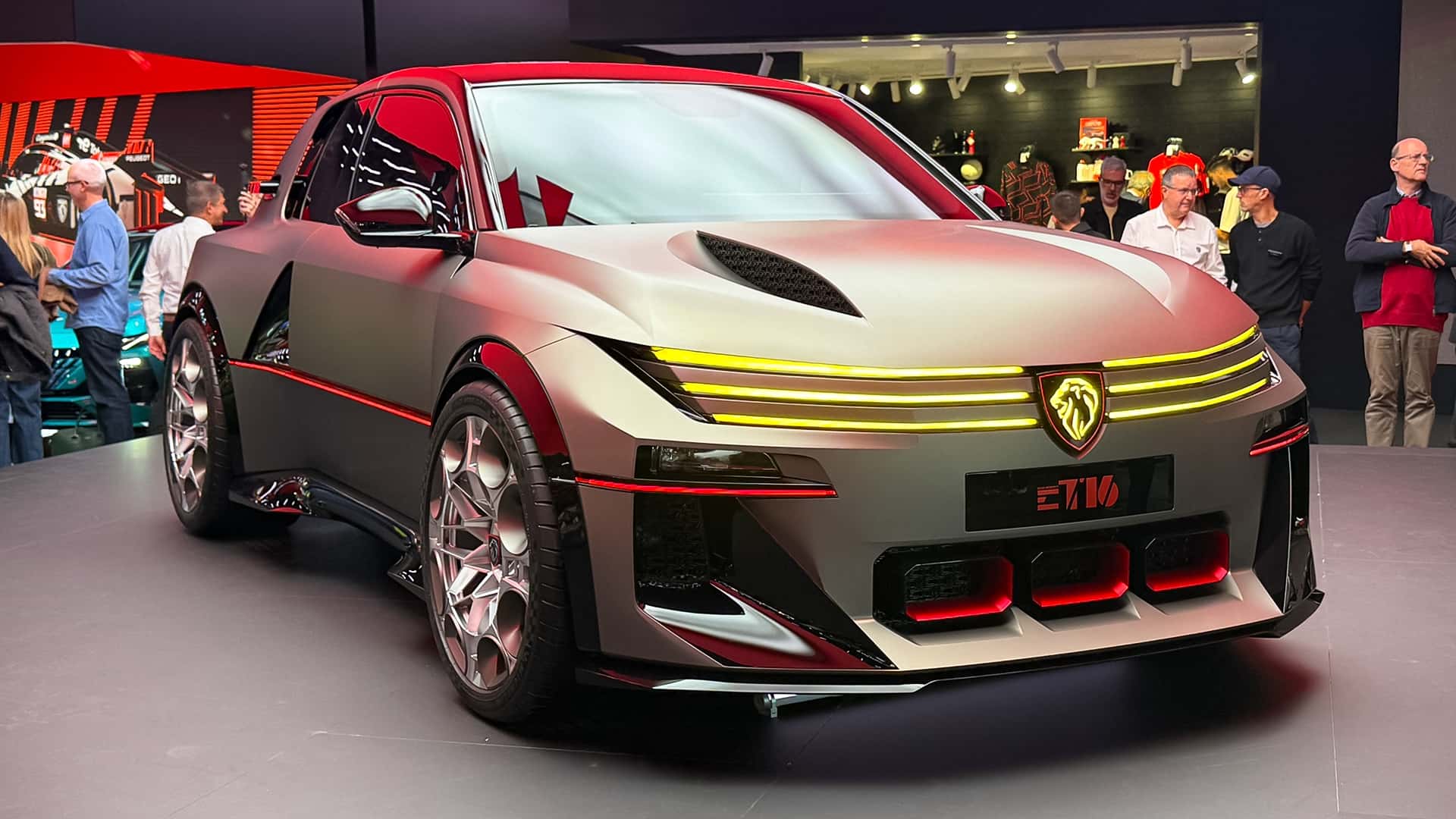
The automotive landscape in Europe is undergoing a profound transformation, particularly within the electric vehicle (EV) segment. The recent Paris Auto Show, a biennial showcase of automotive innovation, served as a pivotal stage for this shift, revealing a fierce competition and strategic evolution between established European manufacturers and emerging Chinese powerhouses. Unlike previous years, the 2026 exhibition demonstrated a renewed vigor from European brands, aggressively tackling the demand for more accessible and affordable EV choices, a segment where Chinese automakers had previously gained significant traction.
This dynamic shift marks a crucial period for the global automotive industry, emphasizing sustainable mobility and consumer-centric design. The convergence of diverse strategies, from local manufacturing investments to collaborative technological advancements, is reshaping how electric vehicles are designed, produced, and offered to the mass market. The exhibition highlighted not just new models but a fundamental rethinking of electrification strategies aimed at broad market adoption.
The 2022 Landscape: A Chinese Foray into Europe
Just four years prior, the mood at the Paris Auto Show was notably different. In 2022, many prominent European brands chose to scale back their presence or bypass the event entirely. This absence created a void that Chinese automakers swiftly capitalized on, presenting a clear strategic move into the European market.
During this period, established names like Mercedes-Benz, for instance, opted for off-site reveals, indicating a perceived decline in the traditional auto show’s relevance. Their EQE SUV debut at the Musée Rodin, concurrent with the show, underscored a broader sentiment of disengagement from the main exhibition floor by several key European players.
Conversely, Chinese manufacturers like BYD and Great Wall Motors, through their Ora and WEY brands, made a striking entry. They showcased a range of new EV and Plug-in Hybrid Electric Vehicle (PHEV) models, specifically small hatchbacks and crossovers. These vehicles were notably affordable and offered competitive driving ranges, contrasting sharply with the limited and often pricier electrified options then available from European makers.
For many attendees, these Chinese brands were largely unknown, yet their offerings garnered considerable interest from the French public. This marked the initial inroads for Chinese automakers, demonstrating their ability to appeal to a critical segment of buyers that European brands had inadvertently overlooked: the value-conscious consumer actively seeking accessible electric mobility options.
This strategic entry allowed Chinese automakers and their diverse EV offerings to gain significant traction in the European market over the subsequent years. They effectively captured a segment of buyers that existing manufacturers had failed to reach, solidifying their presence by providing compelling and affordable EV choices.
Alpine A310 Vision (2026) at the Paris Motor Show
Photo by: Motor1.com Deutschland | C. Otto
Europe’s Resurgence: A Unified Front in 2026
Fast forward to 2026, and the narrative has undergone a significant transformation. The recent Paris Auto Show presented a dramatically different scenario, signaling that Europe is actively re-engaging in the global EV race. The exhibition was characterized by a robust display of new models and innovative concepts, demonstrating a collective effort from European brands to compete directly with their Chinese counterparts.
The sentiment on the ground reflected a global awakening to the competitive pressures, with European companies demonstrating a clear intent to reclaim market share in the rapidly expanding EV sector. This year’s show was a full-on assault of new models and concepts, showcasing a clear shift in strategy towards electrification and affordability.
Key European Offerings and Strategies
Renault Group, for example, made a strong statement with its production models from Dacia and captivating concepts from Alpine and Renault itself. The Renault E-Space concept, an electric MPV, drew inspiration from the iconic 1980s Renault Espace, highlighting a future-focused yet heritage-rich approach. A consistent theme across all concepts was their fully electrified nature.
Fabrice Cambolive, Renault Group Chief Growth Officer, articulated the company’s vision as “Voitures à vivre” (cars for living). This philosophy underscores the development of vehicles designed to seamlessly integrate electrification into daily life, addressing practical needs and lifestyle preferences. Renault Group is openly exploring how electrification can redefine its brands’ future direction and market positioning.
Renault E-Space Concept
Photo by: Renault
Similarly, Stellantis showcased a plethora of EV concepts from its diverse European brands. The overarching strategy among European automakers is to counteract the growing influence of Chinese brands by meeting the demand for reasonably-priced EVs. This involves developing models that are both economical and appealing, broadening the spectrum of affordable EV choices available to consumers.
The Citroën 2CV concept emerged as a standout, capturing the nostalgic charm of the original while targeting an incredibly attractive price point of 15,000 euros, or just under $17,000 at current exchange rates. This concept exemplifies the European drive towards creating highly accessible electric vehicles.
When it eventually enters the market, the 2CV concept will join a burgeoning lineup of budget-friendly European EVs. This includes models like the Renault Twingo, Dacia Spring, Nissan Pixo, Kia EV2, and Volkswagen ID. Polo. This extensive list of new and upcoming nameplates represents a significant expansion of affordable EV choices, a stark contrast to the limited options available at the 2022 show.
Chinese Brands Maintain Presence and Strategy
While European manufacturers ramped up their efforts, Chinese automakers were by no means absent; they returned to the Paris Auto Show in full force. An estimated 25 different Chinese brands presented models spanning all price ranges, signaling their continued commitment to the European market.
However, this continued presence is not indicative of a market meltdown for European players. Instead, it highlights an evolving strategic landscape. Several prominent Chinese brands, including BYD, Geely, and Xpeng, have initiated ambitious plans to invest deeply in Europe’s manufacturing base. This strategic integration fosters local production, potentially mitigating trade tensions and strengthening supply chains.
Xpeng, for instance, announced that its L03 compact crossover has garnered 12,000 orders since its summer launch. Significantly, this model is slated for production in Austria by Magna-Steyr, demonstrating a commitment to local manufacturing and job creation within Europe. This shift from pure import to local production represents a mature phase of market entry and collaboration.
2026 Xpeng L03
Photo by: Xpeng
Strategic Alliances and Knowledge Transfer
The evolving dynamics at the Paris Auto Show also pointed towards a growing trend of strategic alliances and knowledge transfer between Chinese and European entities. Analyst and consultant Lei Xing provided a succinct summary of this year’s show, noting, “If I had to summarize this year’s Paris Motor Show, it would be hope, introspection, and integration. European brands are trying hard, and they are starting to figure some things out, even if it means the Chinese providing a compromise in terms of halving the hybrid/plug-in export volume but at the same time getting help from the Chinese.”
This perspective underscores a pragmatic approach where collaboration can yield mutual benefits. While some Chinese brands are establishing direct manufacturing operations in Europe, others, like Leapmotor, are entering into partnerships that facilitate invaluable knowledge transfer to longstanding European marques. This collaborative model is particularly evident in efforts to accelerate manufacturing timelines.
Reports, including those from Reuters, indicate that European brands, such as Stellantis Pro One led by Antonio Filosa, acknowledge the complementary nature of working with partners like Leapmotor. Leapmotor’s agility and expertise in EV development have proven beneficial for conglomerates aiming to quickly scale up their EV production to meet burgeoning demand for affordable EV choices.
Leapmotor B03
Photo by: Leapmotor
Accelerated Development Timelines and Market Responsiveness
This year’s Paris Auto Show witnessed the debut of new models like the Leapmotor B03 hatchback, which complements the B03X small crossover. These models launched in Europe merely weeks after their Chinese counterparts, showcasing remarkable speed-to-market. This rapid deployment capability is crucial in the highly competitive EV landscape.
Similarly, the newly released Dacia Spring, developed in less than two years, exemplifies the accelerated timelines now common in the industry. This quick turnaround is a direct response to consumer demand and the intensifying competitive pressure from Chinese brands. Both European and Chinese manufacturers are learning to adapt, streamline processes, and bring their products to market faster to effectively battle for consumer attention and provide more diverse affordable EV choices.
Global Implications and U.S. Contrast
From a broader global perspective, the vibrant and competitive European EV market, with its expanding array of affordable EV choices, presents a striking contrast to the current situation in the United States. While Europe is witnessing a rapid diversification of accessible electric vehicles from various manufacturers, the options available to U.S. consumers, particularly in the budget-friendly segment, continue to be limited.
Historically, much of the global conversation surrounding affordable EVs has centered heavily on China, and for good reason, given its pioneering efforts in this space. However, the recent developments in Europe suggest a significant broadening of this discourse, with a serious and growing selection of electrified vehicles now emerging from non-Chinese manufacturers. This shift is a positive development for consumers worldwide and holds immense potential for environmental benefits.
The renewed urgency among European automakers to create and offer diverse affordable EV choices is a promising trend. There is a palpable hope that this level of innovation and commitment to accessible electric mobility will eventually extend to the U.S. market, providing American consumers with a wider array of sustainable and cost-effective transportation solutions in the near future.
Related Articles
China Agrees To Limit Hybrid Imports To EU To 350,000 Annually
Volkswagen’s Family Of Cheap EVs Already Looks Like A Hit
The New Citroen 2CV Van Is The Perfect Match For Trendy Baristas
A Cheap BMW Neue Klasse EV Is Coming In 2028
Key Takeaways
- The 2026 Paris Auto Show signaled a significant resurgence of European automakers in the EV market, particularly in the affordable segment.
- European brands like Renault and Stellantis unveiled numerous new EV concepts and production models, directly challenging Chinese dominance in cost-effective electric vehicles.
- Models like the Citroën 2CV concept, targeting €15,000, exemplify Europe’s commitment to expanding affordable EV choices.
- Chinese brands continue a strong presence, but their strategy is evolving towards significant investment in European manufacturing bases (e.g., Xpeng L03 production in Austria).
- Strategic collaborations, such as Stellantis partnering with Leapmotor, highlight knowledge transfer and accelerated development timelines in the competitive EV landscape.
- The dynamic European market for affordable EVs contrasts with the more limited options currently available in the U.S.
Frequently Asked Questions (FAQ)
What was the main trend observed at the 2026 Paris Auto Show?
The show primarily highlighted a robust re-engagement from European automakers in the electric vehicle market, specifically focusing on expanding their range of affordable EV choices. This marked a shift from previous years where Chinese brands had largely dominated this segment.
How did European manufacturers respond to Chinese competition in the EV sector?
European brands, including Renault and Stellantis, showcased numerous new EV concepts and production models designed to be reasonably priced. This strategy aims to directly compete with Chinese brands by offering compelling and accessible electric mobility solutions to value-conscious buyers.
Which European concept car garnered significant attention for its affordability?
The Citroën 2CV concept notably captured attention, promising the charm of the original model with a targeted price of 15,000 euros (under $17,000). This initiative exemplifies the European push for budget-friendly electric vehicles to broaden market appeal.
Are Chinese EV manufacturers still active in the European market?
Yes, Chinese automakers maintain a strong presence, with an estimated 25 brands exhibiting at the show. Their strategy is evolving to include significant investments in European manufacturing, fostering local production and stronger regional supply chains.
How are strategic partnerships influencing EV development in Europe?
Partnerships, such as Stellantis collaborating with Leapmotor, facilitate crucial knowledge transfer and accelerate development timelines. Chinese expertise in rapid EV deployment is aiding European conglomerates in quickly bringing new electric models to market to meet growing demand.
What is the ‘Voitures à vivre’ philosophy adopted by Renault Group?
Renault Group’s ‘Voitures à vivre,’ or ‘cars for living,’ philosophy centers on developing electric vehicles that seamlessly integrate into daily life. This approach focuses on making electrification practical and appealing, addressing consumer needs and lifestyle preferences through innovative design and functionality.
How do European affordable EV choices compare to the U.S. market?
The European market is experiencing a rapid expansion of diverse and affordable EV choices from various manufacturers. In contrast, the U.S. market currently offers more limited options in the budget-friendly electric vehicle segment, leading to hopes for similar market developments.