
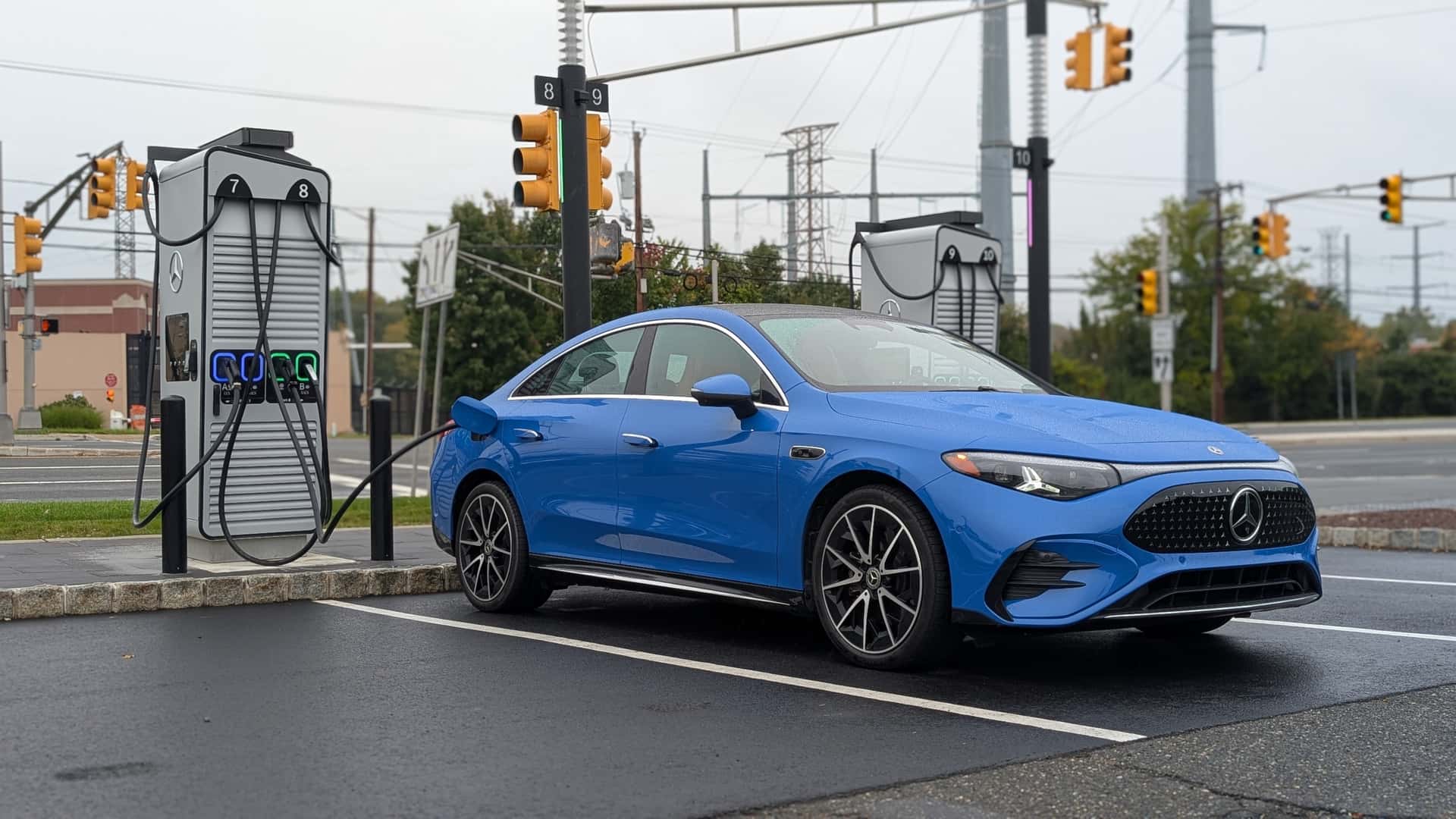
As millions across the United States prepare to embark on holiday journeys, the roads are anticipated to be bustling. For the growing number of electric vehicle (EV) owners, this peak travel period presents a unique set of considerations, particularly concerning charging infrastructure and potential queues. While EV technology has advanced significantly, ensuring a smooth long-distance EV travel experience still requires strategic planning.
This comprehensive guide, rooted in extensive automotive industry experience, aims to equip EV drivers with practical, actionable strategies to mitigate common challenges during high-traffic holidays. By adopting a proactive approach, drivers can ensure their EV road trip remains as efficient and stress-free as possible.
Key Takeaways for Your EV Road Trip
- Thanksgiving week is consistently one of the most-traveled periods annually; anticipate longer-than-usual queues at charging stations nationwide.
- Proactive measures such as fully charging your EV the night before departure, or utilising a dedicated EV route planner, can significantly alleviate concerns regarding charging availability and waiting times.
- Always carry both NACS and CCS adapters to maximise compatibility with the diverse array of DC fast chargers available across various charging networks.
Proactive Charging: Essential Preparation Before Departure
One of the most effective ways to ensure a stress-free EV road trip is to initiate your journey with a full charge. This seemingly simple step can dramatically reduce initial range anxiety and the immediate need to seek out a fast charger amidst heavy holiday traffic.
For individuals with access to home charging, this means simply plugging in your electric vehicle overnight to ensure a 100% state of charge by morning. This eliminates the uncertainty and potential delays associated with public charging at the very outset of your travels.
Leveraging Off-Peak Charging for Efficiency and Savings
For those without residential charging capabilities, strategic use of public DC fast chargers the night before can be a game-changer. Peak travel times, such as early mornings on major travel days, inevitably lead to increased demand and longer waiting lines at popular charging hubs.
Charging during off-peak hours, typically late evenings or very early mornings before the rush, not only helps avoid queues but can also offer financial benefits. Many DC fast charging providers offer discounted rates during these less-demanding periods, translating into tangible savings on your long-distance EV travel expenses.
Optimising Your Route: The Power of EV-Specific Planning
While a familiar route might be ingrained in your mind, it may not always be the most energy-efficient for an electric vehicle. EVs, by their nature, consume more energy when travelling at higher speeds or ascending steep inclines. Understanding these dynamics is crucial for maximising your vehicle’s range.
Modern EV route planning apps are indispensable tools for long-distance EV travel. Applications such as A Better Route Planner, Plugshare, or even integrated features within Google Maps, are designed to consider factors specific to electric vehicles. These include your car’s efficiency ratings, desired state of charge upon arrival, and prevailing road conditions.
Intelligent Navigation for Extended Range
These sophisticated planners can suggest alternative routes that prioritise flatter terrains or offer lower average speeds, thereby conserving battery power and extending your practical range. Such detours, even if marginally longer in distance, can result in significant range boosts, making your EV road trip more reliable.
Beyond range optimisation, these tools precisely indicate when and where to stop for charging, factoring in your vehicle’s current efficiency data and your personal preferences for breaks. Relying on an EV route planner transforms uncertain journeys into meticulously calculated expeditions, ensuring you are never caught unprepared.
Prepared for All Scenarios: Apps and Adapters
The Sunday following Thanksgiving is historically recorded as the busiest travel day of the year. This surge in traffic inevitably translates to a heightened demand for EV charging infrastructure, making comprehensive preparation more critical than ever for a smooth EV road trip.
As you meticulously plan your route and identify potential charging stops, it is imperative to note the specific charging networks and connector types available at each location. The electric vehicle charging landscape is dynamic, with various providers and evolving standards, including NACS (North American Charging Standard) and CCS (Combined Charging System).
Seamless Charging: The Digital and Physical Toolkit
Many highway rest areas now host multiple competing charging stations, such as Tesla Superchargers alongside Ionna Rechargery, EVgo, Circle K, or Shell Recharge facilities. Pre-emptively installing the mobile applications for these charging companies and configuring payment methods saves valuable time and prevents frustrating delays at the station itself.
Furthermore, carrying the appropriate adapters is paramount. While NACS is gaining traction, not all stations universally support it, just as not all stations feature CCS ports. An adapter that allows your EV to connect to both NACS and CCS ports provides invaluable flexibility, ensuring you can access available charging options regardless of the connector type at a busy station.
Upholding Charging Etiquette for Collective Efficiency
During periods of high travel volume, charging stations become shared resources. Practicing considerate charging etiquette is not merely a matter of courtesy but a vital component in maintaining efficient flow and minimising overall waiting times for all EV drivers on their holiday journeys.
A key principle of effective charging etiquette is to avoid charging beyond 80% capacity, especially when queues are evident. Charging speeds typically decelerate significantly once an EV battery surpasses the 80% mark. Reaching 80% might take a swift 15-20 minutes, whereas achieving a full 100% could demand an additional 20 minutes or considerably longer, depending on the vehicle.
Expediting Turnaround Times at Charging Stations
Recognising this slowdown, unplugging and vacating the charging stall once you have sufficient charge to continue your journey allows the next driver in line to begin charging promptly. Not only is this a courteous gesture, but it is often a more time-efficient strategy for the driver as well. If a full charge is absolutely necessary, it can often be quicker to top up again closer to your final destination, rather than monopolising a fast charger when others are waiting.
Embracing the Journey: The Value of Planned Breaks
While much of the advice for an efficient EV road trip focuses on minimising charging time, it is equally important to acknowledge and utilise the inherent longer stops for your benefit. An electric vehicle charging session, typically lasting 15 to 30 minutes for a substantial top-up, presents a natural opportunity for a much-needed break.
These built-in pauses are conducive to safe driving practices. Stepping away from the wheel, stretching your legs, using restroom facilities, or grabbing a snack can significantly alleviate driver fatigue and enhance overall journey comfort. Instead of viewing these stops as interruptions, consider them as integral components of a well-managed trip.
Turning Charging Stops into Refreshment Opportunities
The landscape of electric vehicle travel has undergone a remarkable transformation since 2021, with significant improvements in both vehicle range and the robustness of charging infrastructure. What was once considered a challenging or even unfeasible undertaking has now become a viable and increasingly convenient mode of long-distance transport for a majority of drivers.
With the continuous evolution of intuitive mobile applications, the expansion of reliable charging networks, and the advent of more capable electric vehicles, the prospect of an EV road trip has never been easier. However, informed planning and adherence to best practices remain essential for a truly seamless and enjoyable holiday journey. Drive safely and responsibly.
Frequently Asked Questions (FAQs) about EV Road Trips
Q1: Why is holiday EV road trip planning more critical than regular trips?
Holiday periods, like Thanksgiving week, experience exceptionally high traffic volumes. This surge in demand directly impacts public charging stations, leading to longer queues and potential delays. Proactive planning helps mitigate these challenges, ensuring a more predictable and less stressful long-distance EV travel experience.
Q2: How can preparing the night before save time and money on an EV road trip?
Charging your EV fully overnight at home or at an off-peak public DC fast charger eliminates the immediate need to charge during peak travel hours. This avoids queues when many drivers are rushing to depart and can also leverage off-peak discounts offered by some charging networks, saving both time and money.
Q3: What are the benefits of using an EV-specific route planner?
EV route planners consider factors like vehicle efficiency, topography, and charging infrastructure. They can suggest energy-saving routes (flatter, lower speed), pinpoint optimal charging stops, and calculate ideal state-of-charge, significantly reducing range anxiety and optimising your overall EV road trip efficiency.
Q4: Why are charging adapters and pre-installed apps important for long-distance EV travel?
With various charging networks and connector standards (NACS, CCS), adapters ensure your vehicle can connect to a wider range of DC fast chargers. Pre-installing charging provider apps and setting up payment saves time at busy stations, as you won’t need to fumble with setup when others are waiting to charge.
Q5: What is good charging etiquette and why does it matter during holidays?
Good charging etiquette involves not charging past 80% when others are waiting, as charging speeds slow considerably beyond this point. During holidays, this practice is crucial for keeping queues moving, ensuring more drivers can access charging infrastructure efficiently and reducing overall waiting times for everyone.
Q6: Should I take breaks even if my EV doesn’t need to charge?
Even if your EV has ample range, taking planned breaks during charging stops is highly recommended. These 15-30 minute pauses allow drivers to rest, use facilities, and grab refreshments, combating fatigue and enhancing driving safety. Utilise these inherent longer stops to your advantage for a more comfortable EV road trip.