
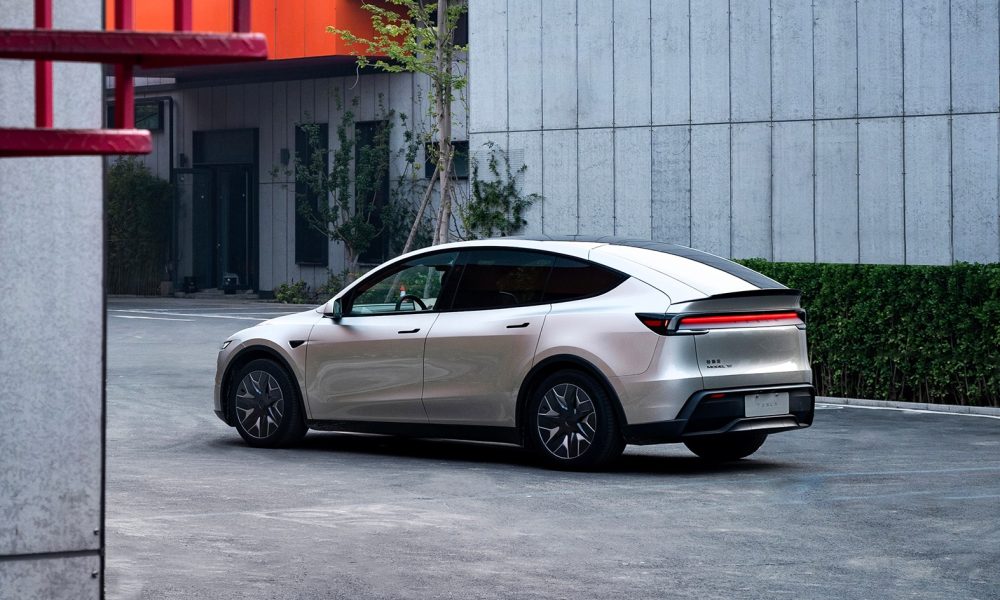
Tesla has expanded its Model Y lineup in the United States with a new configuration offering a more accessible entry point for all-wheel-drive capability. However, this move also highlights a growing disconnect between the company’s product strategy and consumer demand for larger SUVs.
Model Y Lineup Grows, But Lacks Larger SUV Options
The addition of a new trim level brings more complexity to the Model Y range. While this offers more choice, it comes as Tesla discontinues the larger Model X, a vehicle often sought by families needing more space. This strategic shift appears to prioritize vehicles suitable for Tesla’s future Robotaxi service and fully autonomous ambitions over traditional family vehicle needs.

Consumer Demand for Space Unmet
SUVs remain a popular segment in the U.S., particularly for families who require ample space. Many consumers who prefer Tesla vehicles, drawn by the brand’s self-driving technology, charging infrastructure, and software, are finding the current Model Y offerings insufficient. The lineup’s aesthetic and feature variations are largely confined to differences in range and performance, with minimal enhancement in practical utility.
Potential Missed Opportunity in a Growing Market
The U.S. is the largest global market for three-row SUVs. By focusing on variations of the Model Y, Tesla may be overlooking a significant market opportunity. The company has hinted at a longer-wheelbase Model Y L, which is already produced in China, and a Cyber-inspired SUV. However, these have not been confirmed for the U.S. market, potentially leading to the Osborne Effect, where sales of existing models decline in anticipation of new ones that may not meet core consumer needs.
While the Model Y has achieved widespread success, the expansion of its current configurations, without addressing the fundamental need for more interior space, could be a misstep. Industry observers suggest that introducing the Model Y L to the U.S. or developing a new full-size SUV would better align with consumer desires and market trends.
