

In a move that has disgruntled its dealership network, Acura has temporarily halted production of its top-selling RDX crossover. This decision comes as the automaker pivots towards electrification, a transition that dealers argue is poorly timed, especially with the uncertain market reception for upcoming electric models like the RSX, particularly without the full benefit of $7,500 tax credits.
Acura Dealers Voice Concerns Over Electrification Strategy
Dealers are expressing significant frustration over the discontinuation of the RDX, a model that has been a consistent revenue generator. The hiatus is expected to last two years, during which Acura plans to introduce a smaller gasoline crossover, the ADX, and the all-electric RSX. The RSX is significant as it marks Acura’s entry into EVs built on Honda’s proprietary platform, replacing the earlier General Motors-collaborated ZDX.
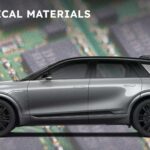
Brian Benstock, vice president at Paragon Acura in New York City, criticized the company’s approach. “To cancel [RDX] production on such short notice just leaves us hanging,” Benstock stated. He added that dealers had repeatedly advocated for a hybrid-focused strategy and a more diversified powertrain lineup, suggesting Acura’s recent focus on EVs was “politically correct but wrong for the market.” Benstock estimates that the combined volume of the MDX and ADX will only recapture about 20 percent of the RDX’s sales, leaving a significant gap in their offerings.
The core of the dealers’ concern lies in the timing of this shift. With evolving consumer preferences, regulatory changes affecting EV incentives, and the inherent challenges of the electric vehicle market, dealers feel ill-equipped to manage the transition. “You can’t sell customers on ‘two years from now.’ Nobody’s going to wait for that truck,” Benstock emphasized, highlighting the immediate business impact of the RDX’s absence.
Porsche Faces Setbacks in China Amidst Intense Market Competition
Meanwhile, Porsche is navigating significant challenges in the Chinese market, once its largest. The demand for its electric models, including the Taycan, has waned as consumers increasingly favor domestic brands and react to a prolonged price war. A sluggish property market and broader economic concerns in China have also dampened luxury spending.

A spokesperson for Porsche noted that “Key reasons for the decline remain the challenging market conditions, particularly in the luxury segment, and the very intense competition in the Chinese market, especially for all-electric models.” This trend is not unique to Porsche, with other German luxury automakers like Audi, BMW, and Mercedes-Benz also reporting reduced demand in China during the past year. As a result, Porsche, like many other manufacturers, is increasingly looking to markets like North America to compensate for the losses in China, though as the Acura situation illustrates, succeeding in the U.S. market also presents its own set of complexities.
Auto Stocks Tumble Amid Geopolitical Tensions Over Greenland
Broader market instability has affected automotive stocks, with European automakers experiencing significant declines following President Trump’s suggestions of potential tariffs on several European nations. The proposed tariffs, linked to Trump’s interest in acquiring Greenland, have created economic uncertainty for the highly interconnected automotive industry.
German manufacturers such as Volkswagen, BMW, and Mercedes-Benz Group saw their stock values drop between 2.5% and 3%, while Ferrari and Porsche also experienced notable dips. Stellantis, which owns numerous prominent automotive brands, also reported a decrease in its share price. Analysts suggest that the auto sector, already grappling with tariffs and regulatory shifts, is particularly vulnerable to such geopolitical developments due to its complex global supply chains. This adds another layer of difficulty for automakers planning for the coming years.
Navigating the Complex Future of Automotive Powertrains
The automotive industry is at a critical juncture, with manufacturers grappling to determine the optimal mix of powertrains—including hybrid, gasoline, and electric options—to meet evolving market demands and regulatory landscapes. The current period of transition, marked by shifting consumer preferences and policy changes, presents a significant challenge for automakers seeking to balance investment in future technologies with the immediate needs of their businesses. The decisions made now regarding powertrain strategies will be crucial for their long-term success.