
African nations, particularly Kenya and Nigeria, are rapidly advancing their electric mobility agendas by initiating the local assembly of electric vans and taxis. This strategic move leverages imported kits from Chinese electric vehicle (EV) manufacturers, signaling a significant shift towards sustainable transportation solutions in two of the continent’s largest economies.
Nigeria Takes the Lead with Local EV Van Assembly
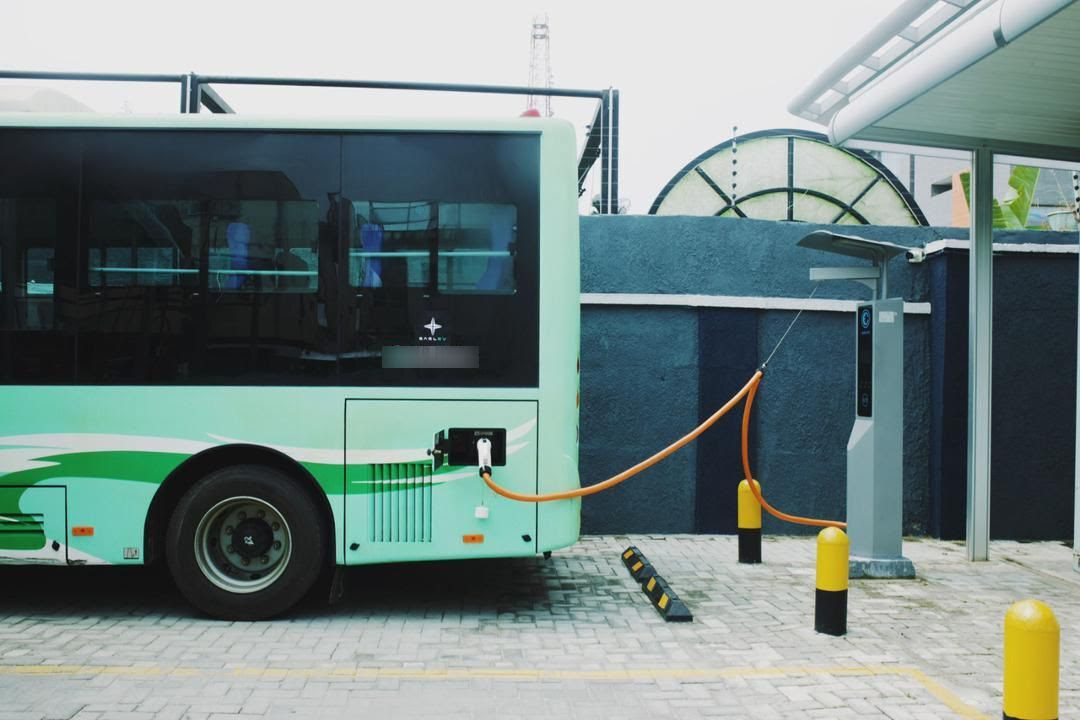
In Nigeria, Lagos-based company SAGLEV has commenced the assembly of 18-seater electric passenger vans. These vehicles are constructed using kits supplied by Chinese automaker Dongfeng. SAGLEV has ambitious plans to produce up to 2,500 vehicles annually, targeting both the Nigerian market and other West African countries.
Olu Falaye, CEO of SAGLEV, highlighted the importance of this development for Nigeria’s transportation future. “This is a major step in Nigeria’s transition toward clean, fossil-free transportation,” Falaye stated. “This feat is a clear signal that electric mobility in Nigeria is practical, scalable and ready for adoption.”
SAGLEV is a collaborative venture between Nigeria’s Stallion Group, a prominent automotive distributor, and China’s Sokon Motor. Beyond vehicle assembly, the company is also focused on establishing solar-powered charging stations. This initiative aims to address a critical challenge for EV adoption across Africa: the need for reliable and consistent power sources.
Kenya Accelerates E-Mobility with Electric Taxi and Minibus Assembly
Kenya is also making substantial strides in the e-mobility sector. Rideence Africa, a company with Chinese backing, recently finalized a significant deal valued at $2.46 million with Mombasa-based Associated Vehicle Assemblers (AVA). This agreement will facilitate the local assembly of electric taxis and minibuses, utilizing kits from Chinese companies Jiangsu Joylong Automobile and Beijing Henrey Automobile Technology.

Minnan Yu, Managing Director of Rideence Africa, expressed enthusiasm about the transition. “We are now moving decisively from operator to manufacturer,” Yu remarked. “Our aim is to build a Kenya-rooted new-energy mobility company serving Africa.”
The Growing Market for Electric Vans and Minibuses
The assembly of electric vans is emerging as a particularly strong segment within the African market, according to Dennis Wakaba, Secretary-General of the Electric Mobility Association of Kenya. He noted that the initial high cost of electric vans had previously deterred potential operators.
However, as local assembly operations scale up, the production costs have seen a reduction, leading to increased orders. “Earlier, the cost of electric vans was high, putting off operators. But as local assembly scales up, these costs have dropped, attracting more orders,” Wakaba explained.
Economic and Environmental Advantages of E-Mobility
Vans and minibuses are fundamental components of public transportation systems across Africa, with Japanese models like the Toyota Hiace historically dominating this market. The adoption of electric alternatives offers substantial economic benefits, primarily through the reduction in consumption of expensive imported gasoline.
This cost saving is advantageous for both individual transport operators and national governments. Reports indicate that the operational cost of driving an electric vehicle can be as low as one-fifth of the cost of operating a petrol-powered vehicle, a significant incentive for widespread adoption.
Expanding E-Mobility Efforts Across Africa
Beyond Nigeria and Kenya, other African nations are also entering the electric mobility arena. In Ethiopia, Belayneh Kinde Group (BKG) is currently assembling approximately 150 minibuses each month, also relying on components sourced from China.
Addressing Affordability Barriers with Innovative Financing
A significant hurdle for EV adoption in Africa remains affordability. Many transport operators face limited access to credit, making it challenging to purchase new vehicles outright. To counter this, companies like Rideence and BasiGo are pioneering innovative financing models.
These include pay-as-you-drive and lease-to-own schemes, designed to make electric vehicles more accessible. “These innovative financing models mitigate risks for both assembler and operators, helping put vehicles on the road faster,” commented Wakaba, underscoring the effectiveness of these approaches in accelerating the deployment of EVs.
Source: Associated Press