
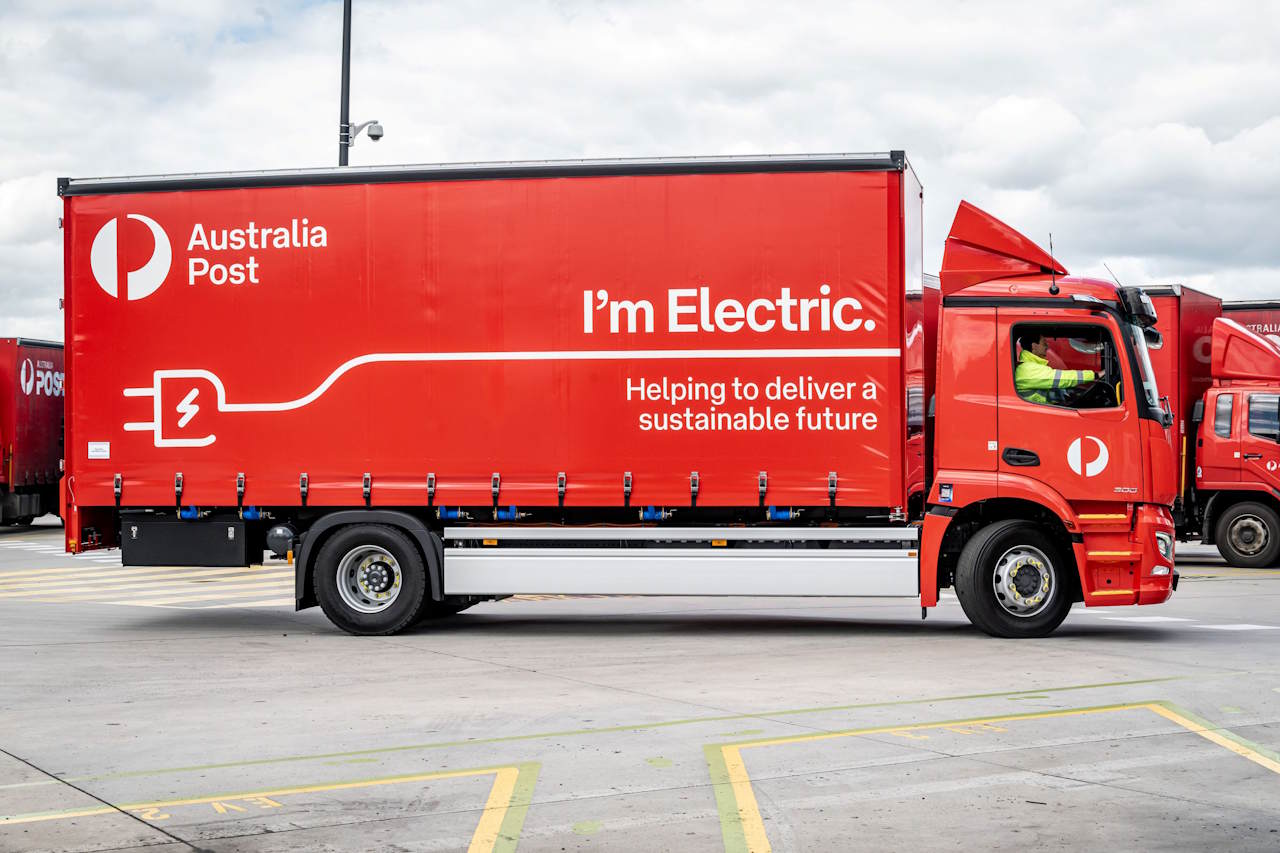
Australia Post is significantly bolstering its commitment to environmental sustainability by expanding its electric vehicle fleet and investing heavily in renewable energy as part of its ambitious 2030 sustainability targets. The national postal service aims to reduce its direct carbon emissions by eight per cent compared to 2025 levels, a move that comes after successfully exceeding its previous emissions reduction goals.
Ambitious Sustainability Framework Targets
The company unveiled its updated environmental roadmap in its 2030 Sustainability Framework report. A key pillar of this strategy involves increasing the deployment of electric trucks and motorcycles across its extensive delivery network. This initiative is designed to contribute to quieter deliveries and a cleaner operational footprint nationwide.

Australia Post has already demonstrated a strong track record in emissions reduction, having cut its carbon emissions by 20 per cent, which was five percentage points more than its initial target for 2025. This success provides a solid foundation for the new, more stringent goals.
A Multi-faceted Approach to Emission Reduction
Richard Pittard, Australia Post’s Chief Sustainability Officer, emphasized that achieving substantial greenhouse gas reductions requires a comprehensive strategy. “Reducing emissions in a network as large and complex as ours is not simple,” Pittard stated. “It requires electrification, low-carbon fuels, renewable energy and smarter logistics but just as importantly, it requires partnership across our supply chain.”
The expansion of the electric vehicle fleet is a central component of this strategy. Australia Post already operates the largest electric vehicle fleet in Australia, comprising over 5600 low-emission trucks, motorbikes, and three-wheeled vehicles. This existing infrastructure provides a significant head start in transitioning towards a greener future.

Investing in Advanced Electric Delivery Vehicles
In October, the company enhanced its fleet by adding 500 new Rapide 3 electric vehicles. These vehicles are equipped with built-in canopies, offer a range of 180 kilometres on a single charge, and provide additional storage capacity for up to 120 parcels, optimizing delivery efficiency.
The investment in electric vehicles is complemented by a substantial increase in solar power generation capacity. Australia Post aims to install 30 megawatts of solar capacity across its facilities, a significant upgrade from its previous goal of 14 megawatts. The company also remains committed to matching its electricity consumption with renewable energy sources.
Addressing Scope 3 Emissions and Waste Reduction
Beyond its direct operational emissions, Australia Post is also focusing on managing its Scope 3 emissions, which are generated by its extensive network of suppliers and customers. The goal is to maintain these emissions at 2025 levels. Furthermore, the company is targeting a 30 per cent reduction in waste sent to landfill by 2030.
This waste reduction target builds on previous achievements, with Australia Post having already reduced landfill waste by 39 per cent compared to 2019 levels. Mr. Pittard highlighted the importance of circular economy principles in achieving these goals. “By embedding circular principles into how we operate, using less, using longer and using again, we can reduce waste within our business and explore how our national network can help Australians do the same,” he explained.
Navigating the Evolving Logistics Landscape
The strategic push towards sustainability occurs as Australia Post manages a significant shift in delivery volumes. While traditional letter deliveries have reached historic lows, parcel deliveries are projected to experience sustained growth through to 2030. This trend was underscored by a record 283 million parcels delivered in the latter half of 2025, highlighting the increasing demand for e-commerce and related logistics services.
The company’s proactive approach to fleet modernization and renewable energy integration positions it to meet these evolving demands while significantly reducing its environmental impact, reinforcing its role as a leader in sustainable logistics within Australia.