
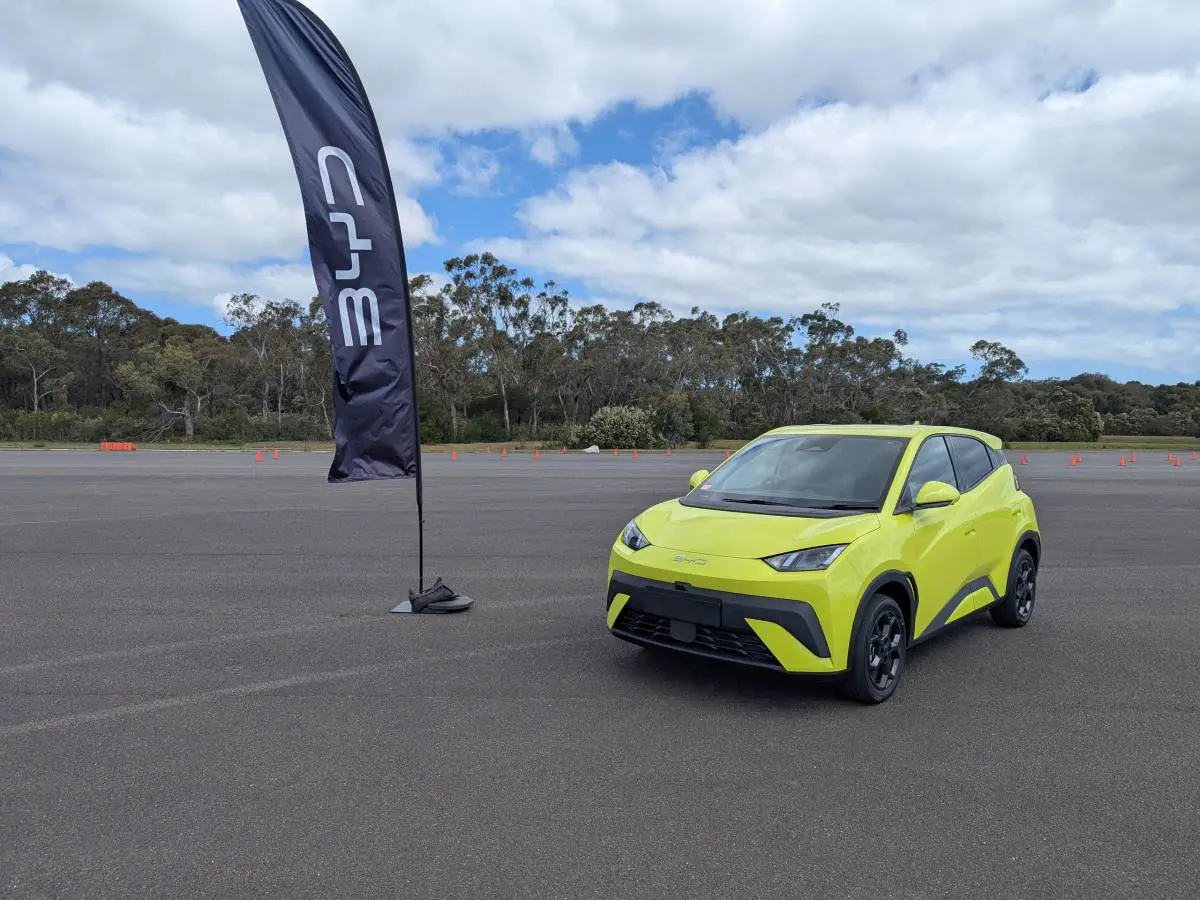
Electric vehicle (EV) sales in Australia experienced a significant rebound in February, capturing 11.8 per cent of the total new car market. This marks a substantial increase from January’s 8.4 per cent market share, with Tesla, BYD, and Zeekr leading the charge.
EV Sales Rebound Driven by Key Manufacturers
The surge in February’s EV sales was largely propelled by Tesla’s performance. The electric vehicle manufacturer recorded over 3,200 sales, contributing significantly to the overall market. BYD, which had led sales in January, also maintained strong momentum with 2,969 units sold during the month.
This period also saw a notable shift in global automotive supply to Australia. For the first time, China emerged as the largest source of new cars for the Australian market, eclipsing Japan.
February 2026 Sales Data Overview
According to the latest data from the Federal Chamber of Automotive Industries (FCAI), a total of 7,715 battery electric vehicles (BEVs) were sold in Australia in February. When combined with data from EV Council (EVC) for models like Polestar and Tesla, the total EV sales figure reached 11,134 units.
The overall new vehicle market saw approximately 90,000 vehicles sold in February. Incorporating EVC data, the total vehicle sales for the month amounted to 94,131 units.
Incentives and New Models Fueling Growth
Industry analysts attribute the strong sales performance to a combination of factors. Many major EV manufacturers offered various incentives throughout February. Additionally, the increased availability of recently launched, more affordable EV models has broadened consumer choice and appeal.
Year-on-Year Growth Demonstrates Market Maturation
The February 2026 figures represent a dramatic increase compared to the previous year. In February 2025, EVs accounted for only 5.9 per cent of the market. The jump to 11.8 per cent in February 2026 highlights the accelerating adoption rate of electric vehicles in Australia.
EV Sales Figures – February 2026
| FCAI vFacts BEV Sales | 7,715 |
| EVC (Polestar + Tesla) Sales | 3,419 |
| Total EV Sales (FCAI + EVC) | 11,134 |
| Total Vehicle Sales (FCAI + EVC) | 94,131 |
Looking at the year-to-date figures, EV sales for the first two months of 2026 reached 18,543 units. This is a significant increase from the 9,516 EVs sold during the same period in 2025, indicating that 2026 is shaping up to be the strongest year yet for BEV uptake in Australia.
Plug-in Hybrid Electric Vehicle (PHEV) Performance
Plug-in Hybrid Electric Vehicle (PHEV) sales also saw positive movement in February, with 5,854 units sold. This represents an increase from the 4,871 PHEVs sold in the corresponding month of the previous year.
Top Performing EV Models in February 2026
The Tesla Model Y reclaimed the top spot as the best-selling EV in February, achieving 2,971 sales. BYD’s Sealion 7 SUV followed, securing the second position with 1,327 sales.
Zeekr’s 7X made a strong impression in its second month of deliveries, capturing 628 sales to rank third. The Tesla Model 3 and the Geely EX5 rounded out the top five best-selling EV models.
Detailed Breakdown of Top Selling EVs
- Tesla Model Y – 2,791 sales
- BYD Sealion 7 – 1,327 sales
- Zeekr 7X – 628 sales
- Tesla Model 3 – 483 sales
- Geely EX5 – 416 sales
- MG MG4 – 406 sales
- BYD Atto 3 – 384 sales
- Omoda Jaecoo J5 – 369 sales
- BYD Atto 1 – 349 sales
- BYD Atto 2 – 347 sales
- BYD Seal – 302 sales
Other notable performances include the BYD Atto 1, Australia’s most affordable EV, which recorded 349 sales, its highest monthly total to date. Several other BYD models, including the Atto 3, Atto 2, and Seal, also featured prominently in the sales charts.
The Driven is awaiting sales confirmation for certain EV models from various manufacturers and will update this report accordingly.
China Overtakes Japan in Australian Vehicle Market
February marked a historic milestone for the Australian automotive landscape. For the first time, vehicles manufactured in China surpassed those from Japan in terms of market volume for a single month.
FCAI CEO Tony Weber commented on this significant shift: “After 28 years, Japan has been overtaken by China as the largest source of vehicles for the Australian market in a single month.”
Weber further elaborated on the competitive nature of the Australian market: “The Australian market is one of the most open and competitive in the world. New brands can enter, establish dealer networks and compete on price, technology and design. Consumers are the beneficiaries of that competition.”
The strong performance in February, bolstered by increased manufacturer incentives and a wider range of EV options, underscores a robust growth trajectory for electric vehicles in Australia. Year-to-date EV sales have nearly doubled compared to the same period last year, solidifying February 2026 as a landmark month for electric mobility in the country.
For comprehensive monthly EV sales data, please refer to our dedicated database.