
Welcome to Critical Materials, your essential briefing on the transformative forces shaping the future of transportation. Today, we’re diving into the rapidly approaching reality of fully automated car factories, a significant push for EV battery recycling, and a concerning trend in the American auto loan market.
The Dawn of the ‘Dark Factory’: Automation Reaches New Heights
The vision of a car factory devoid of human workers, often relegated to science fiction, is closer than you might think. Experts predict that by 2030, at least one automotive “dark factory”—a facility operating with 100% automation and no human oversight—will emerge in either the U.S. or China. These plants, capable of running 24/7 in complete darkness, represent the culmination of decades of automation efforts.

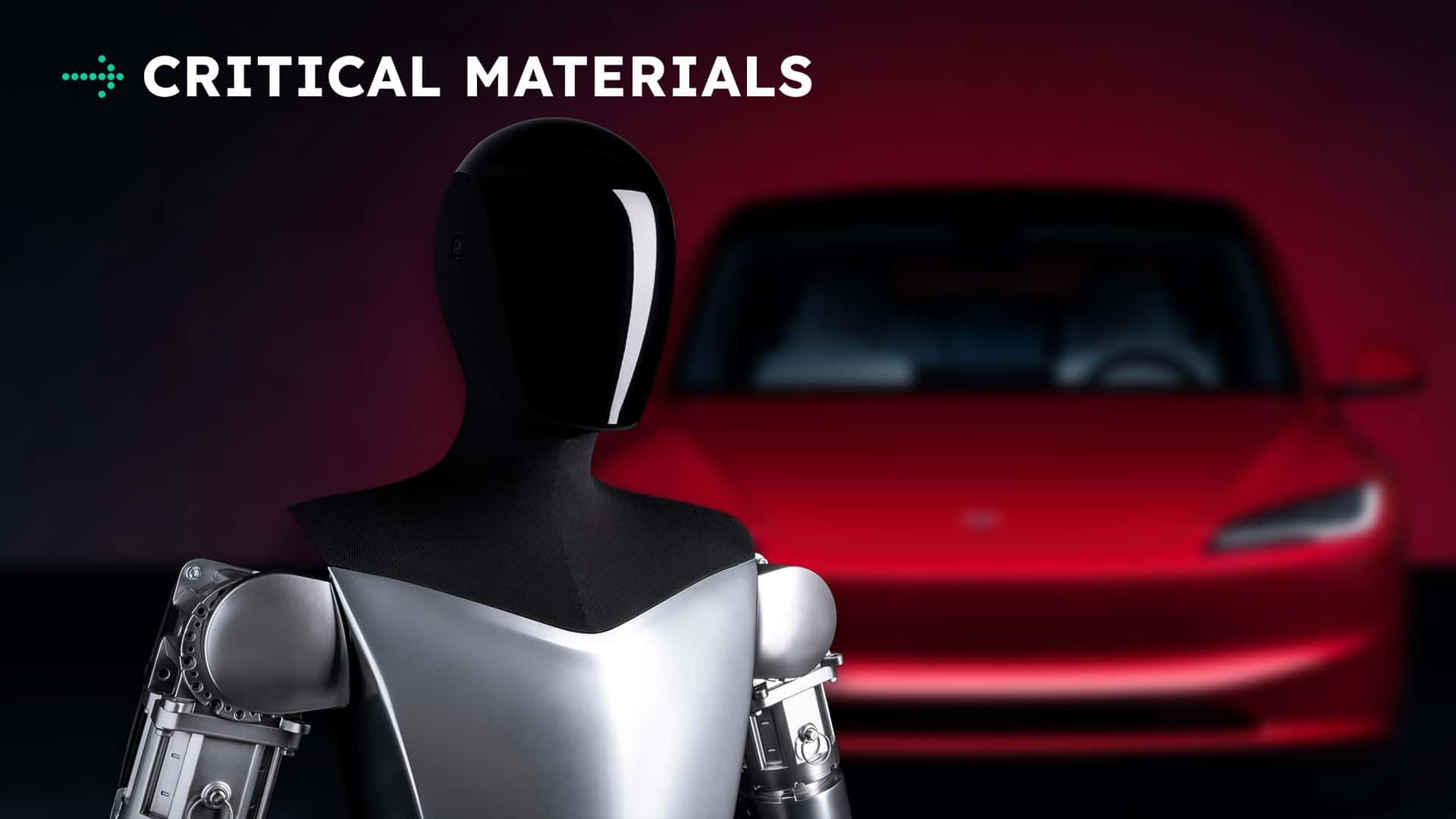
Automakers are accelerating their investments in robotics and artificial intelligence. Hyundai, for instance, plans to produce 30,000 humanoid robots annually by 2028 for factory deployment. Tesla is already experimenting with its Optimus robots on a limited scale, underscoring Elon Musk’s ambition to leverage robotic labor for manufacturing and other tasks.
While current advanced assembly lines still rely on human dexterity for intricate tasks like installing wiring harnesses and dashboards, the pace of technological advancement is undeniable. Historically, human adaptability in complex and unpredictable environments has outmatched robots. However, the lessons learned from Tesla’s early, over-automated Model 3 production—where Musk himself admitted, “excessive automation was a mistake” and that “humans are underrated”—may soon be revisited as technology catches up.
Colorado Leads the Charge in EV Battery Recycling Mandates
As electric vehicle adoption surges, so does the looming challenge of managing end-of-life batteries. Colorado is stepping up to address this critical issue, aiming to become a national leader in EV battery recycling.

State lawmakers have introduced a bill that would mandate the safe and responsible recycling of high-voltage lithium-ion batteries. If enacted, this legislation, set to take effect on August 1, 2028, would require automakers to manage the recycling process, either directly or through third-party contracts. This proactive approach is designed to recover valuable materials, reduce reliance on imported critical minerals, foster local jobs, and prevent hazardous batteries from accumulating in scrapyards.
State Sen. Katie Wallace, a co-sponsor of the bill, emphasized the environmental imperative: “Colorado is leading in electric vehicle sales, which is great for climate change, but that only matters if they can be responsibly disposed of.” The proposed regulations aim to establish clear recycling standards, ensuring that valuable resources are reintegrated into the supply chain rather than ending up in landfills.
‘Underwater’ Car Loans Surge, Highlighting U.S. Affordability Crisis
The dream of car ownership in the United States is increasingly being overshadowed by a growing affordability crisis, exacerbated by a significant rise in ‘underwater’ car loans.
Data from Edmunds reveals a stark trend: in the fourth quarter of 2025, nearly 30% of trade-ins for new vehicles carried negative equity—the highest rate in years. Compounding this issue, the average amount owed on these underwater trade-ins reached a record $7,214. This means a substantial number of car owners are financing new vehicles while still owing tens of thousands more on their previous car than it’s currently worth.
Several factors contribute to this deepening problem. Elevated vehicle prices during the pandemic forced many buyers into higher-cost loans from the outset. Coupled with slower depreciation rates and the inability to consistently pay down loan principal as quickly as the car loses value, owners find themselves owing more than their vehicle’s market price. This creates a difficult cycle for many consumers looking to upgrade or replace their vehicles.
Edmunds advises prospective car buyers to meticulously assess the total cost of ownership, beyond just monthly payments, and to minimize debt before committing to a new purchase. Understanding the long-term financial implications is crucial to avoid falling into the ‘underwater’ trap.
The Future of Automotive Manufacturing and Finance
The convergence of advanced robotics, AI, and evolving environmental regulations paints a dynamic picture for the automotive industry. As ‘dark factories’ loom and battery recycling becomes a regulatory necessity, the financial landscape for car buyers is also undergoing a significant shift. The coming years will undoubtedly test the industry’s adaptability and innovation in navigating these complex challenges.
Contact the author: Suvrat.Kothari@InsideEVs.com