
Demystifying EV Batteries: A Deep Dive into the Chemistries Powering Electric Vehicles
Understanding the magic inside your EV battery is key to grasping its impact on range, charging speed, and overall performance. Here’s your essential guide.
By: Suvrat Kothari
Published: December 24, 2025 at 2:00pm ET
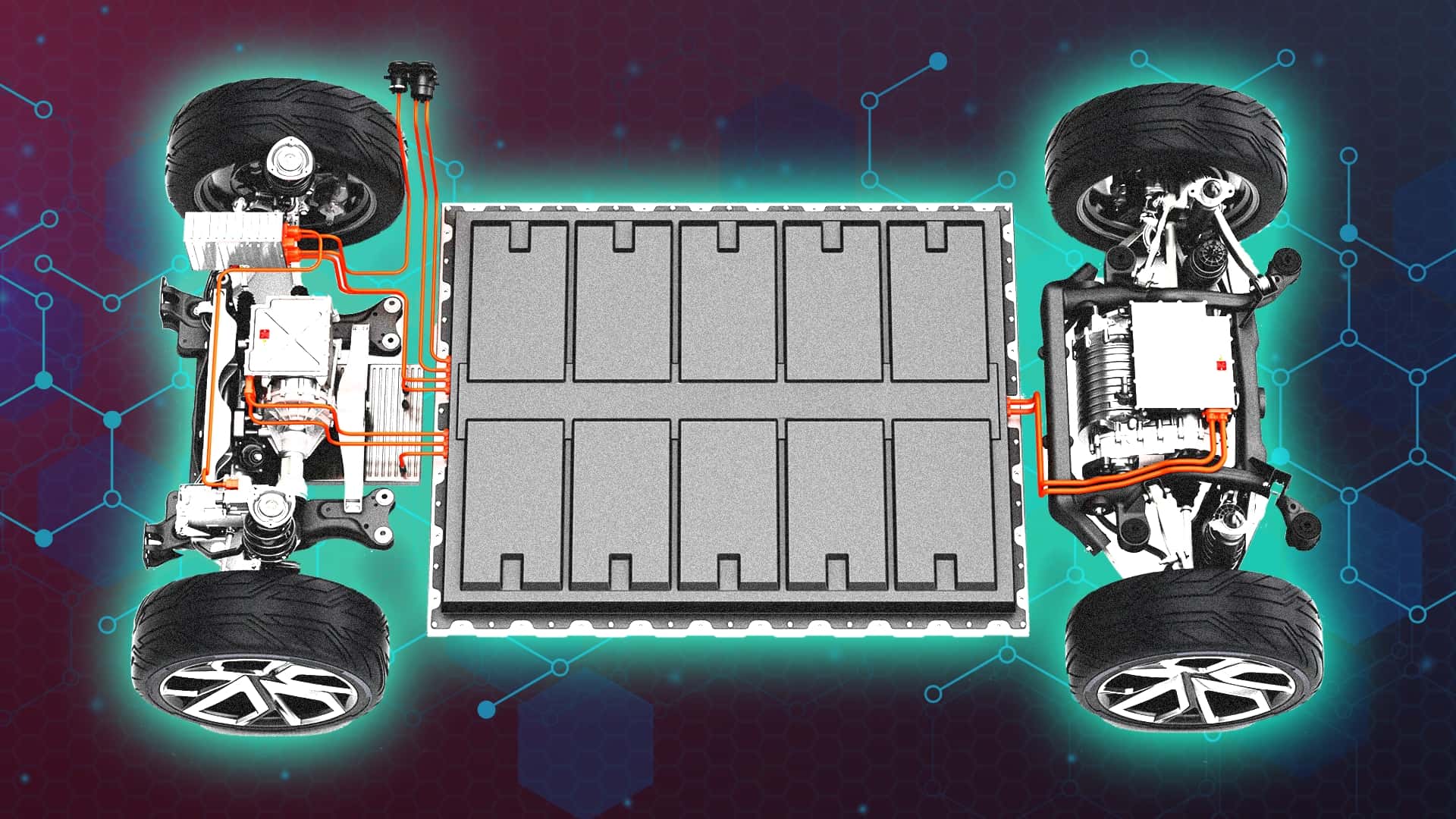
In the rapidly evolving world of electric vehicles (EVs), the battery is the heart of the machine. But just as a gasoline engine can range from an efficient four-cylinder to a roaring V8, EV batteries come in a variety of chemistries, each with its own set of trade-offs concerning cost, range, and performance. For the curious EV enthusiast or anyone looking to understand this transformative technology, this comprehensive guide breaks down the major battery chemistries, from historical players to the cutting-edge innovations shaping the future.
The Ancestors: Lead-Acid and Nickel Metal Hydride
Lead-Acid Batteries
The venerable lead-acid battery, still a workhorse in many applications, is the oldest rechargeable battery technology in widespread use. Its enduring appeal lies in its affordability, reliability, and ease of recycling. This is the same technology powering the 12-volt auxiliary battery in most internal combustion engine cars and even many EVs for essential functions like lighting and infotainment. However, their significant weight and low energy density make them poorly suited for propelling an electric vehicle over long distances. While they were used in early EVs like the first-generation General Motors EV1, they have largely been relegated to starter batteries or less demanding roles in modern vehicles.
Nickel Metal Hydride (NiMH)
Before the dominance of lithium-ion, Nickel Metal Hydride (NiMH) batteries were a significant player, particularly in hybrid vehicles. NiMH batteries are known for their durability and resilience across various climates. Yet, like lead-acid, they suffer from limitations in energy density and weight, which have led to their gradual replacement by more advanced lithium-ion cells. Toyota, a long-time proponent, still utilizes NiMH packs in many of its hybrid models sold in the U.S., but the industry trend is clearly moving towards lithium-ion for improved performance.

The Lithium-Ion Era: Dominant Chemistries Today
Lithium Manganese Oxide (LMO)
Lithium Manganese Oxide (LMO) batteries feature a cathode that uses manganese, offering a more cost-effective and thermally stable alternative to nickel-rich chemistries. They excel at delivering high power output and can charge rapidly. However, they tend to degrade faster and possess lower energy density. Early EVs such as the first-generation Nissan Leaf and Chevrolet Volt utilized LMO blends, but their limitations have seen them largely phased out for applications demanding extensive range.
Nickel Manganese Cobalt (NMC)
Nickel Manganese Cobalt (NMC) batteries represent the dominant cathode chemistry outside of China. Their high energy density, coupled with a mature supply chain and established manufacturing infrastructure, makes them the go-to choice for many long-range EVs. The vast majority of electric vehicles sold in the U.S. and Europe, from brands like Hyundai, Kia, BMW, Volkswagen, and Toyota, rely on NMC cells. Key drawbacks include their higher cost, reduced performance in cold weather, and a comparatively lower level of thermal stability.
Nickel Cobalt Aluminum (NCA)
Nickel Cobalt Aluminum (NCA) batteries are a variation of NMC, replacing manganese with aluminum. This substitution enhances cathode stability and reduces degradation. Many manufacturers, including General Motors, incorporate aluminum into their NMC formulations, creating NCMA chemistry, which is prevalent in GM’s trucks and SUVs. NCA batteries, famously used by Tesla in partnership with Panasonic, offer impressive energy density. However, they share similar challenges with NMC, such as high costs and the necessity for sophisticated thermal management systems to maintain optimal performance.
Lithium Iron Phosphate (LFP)
Lithium Iron Phosphate (LFP) batteries are rapidly gaining traction, particularly in the mass-market segment. This chemistry eschews expensive nickel, manganese, and cobalt in favor of iron phosphate. The benefits are significant: LFP batteries are more affordable, safer, and boast an exceptionally long cycle life. While their energy density is typically lower than NMC or NCA, advancements in cell design, such as prismatic cells and cell-to-pack configurations, are effectively mitigating this drawback. LFP is a dominant force in China and is increasingly being adopted by automakers in the U.S. and Europe for their more budget-friendly EV offerings.
Emerging Innovations and Future Frontiers
Lithium Manganese Iron Phosphate (LMFP)
LMFP batteries build upon the LFP foundation by incorporating manganese to enhance performance and range. Chinese battery giant Gotion claims its LMFP technology can achieve over 1,800 charge cycles even at high temperatures and deliver an impressive 621 miles of range. While CATL remains discreet about the exact composition of its ‘M3P’ battery, research suggests it includes phosphate and manganese. This technology is already powering vehicles like the Luxeed S7, and CATL has been collaborating with Tesla on its development and validation.
Lithium Manganese Rich (LMR)
LMR batteries can be seen as the Western counterpart to LMFP, addressing the need for cost-effective and robust battery solutions outside of China’s dominant LFP supply chain. By reducing the proportion of nickel and cobalt and increasing manganese content, LMR cells offer driving ranges comparable to NMC but at costs closer to LFP. Major automakers like General Motors and Ford are actively developing LMR technology, with GM targeting deployment in its full-size SUVs and trucks by 2028, aiming for over 400 miles of range.
Silicon Anode / Synthetic Graphite
While not a distinct battery chemistry, advancements in anode materials are crucial. Replacing traditional graphite anodes with silicon or synthetic graphite offers the potential for significantly higher energy density and reduced battery size without sacrificing range. U.S. firms like Group14 Technologies and Sionic Energy are developing production-ready silicon anodes, a technology already common in smartphones and poised to make a significant impact on EVs if mass production at competitive prices can be achieved.
Lithium Metal Batteries
Lithium metal batteries represent a more ambitious leap, utilizing a thin sheet of lithium metal as the anode instead of graphite. This approach promises greater energy density and lighter battery packs. However, the primary challenge lies in managing dendrite formation—sharp lithium growths that can compromise battery safety and longevity. Despite these hurdles, several startups, including Factorial Energy and QuantumScape, are actively pursuing the development and scaling of this potentially game-changing technology.
Sodium-Ion Batteries
Emerging as a compelling alternative to LFP for cost-sensitive EVs and energy storage, sodium-ion batteries are gaining traction, particularly in China. These batteries utilize sodium ions instead of lithium ions, leveraging sodium’s far greater abundance in the Earth’s crust. While less energy-dense than lithium-ion, they are well-suited for applications like e-scooters and smaller electric cars. CATL is already producing sodium-ion batteries that maintain exceptional performance even in extreme cold, suitable for various applications from trucks to passenger EVs.
Solid-State Batteries
The holy grail for many in the battery industry, solid-state batteries replace the liquid electrolyte found in conventional lithium-ion cells with a solid material, such as ceramic, polymer, or sulfide. Proponents claim solid-state technology could unlock longer driving ranges, dramatically faster charging, enhanced durability, and superior performance in extreme conditions. However, achieving mass production at lower costs without defects remains a significant challenge. Consequently, semi-solid batteries, employing a gel-like electrolyte, are expected to reach the market before their fully solid-state counterparts.
The ultimate performance of an EV is not solely determined by its battery chemistry. The physical form factor of the cells—cylindrical, pouch, or prismatic—and how these cells are integrated into modules, packs, or directly into the vehicle chassis, all play critical roles in an EV’s efficiency and design. These aspects will be explored further in future articles.
Got a tip or a story idea? Reach out to the author at: suvrat.kothari@insideevs.com