
Recalling the 1983 film “BMX Bandits,” which launched Nicole Kidman’s career, a commentary on youth culture and new technologies draws parallels to the current surge in electric bike (eBike) usage. The film depicted teenagers navigating suburban Sydney on their BMX bikes, highlighting a sense of freedom and rebellion.
The eBike Phenomenon
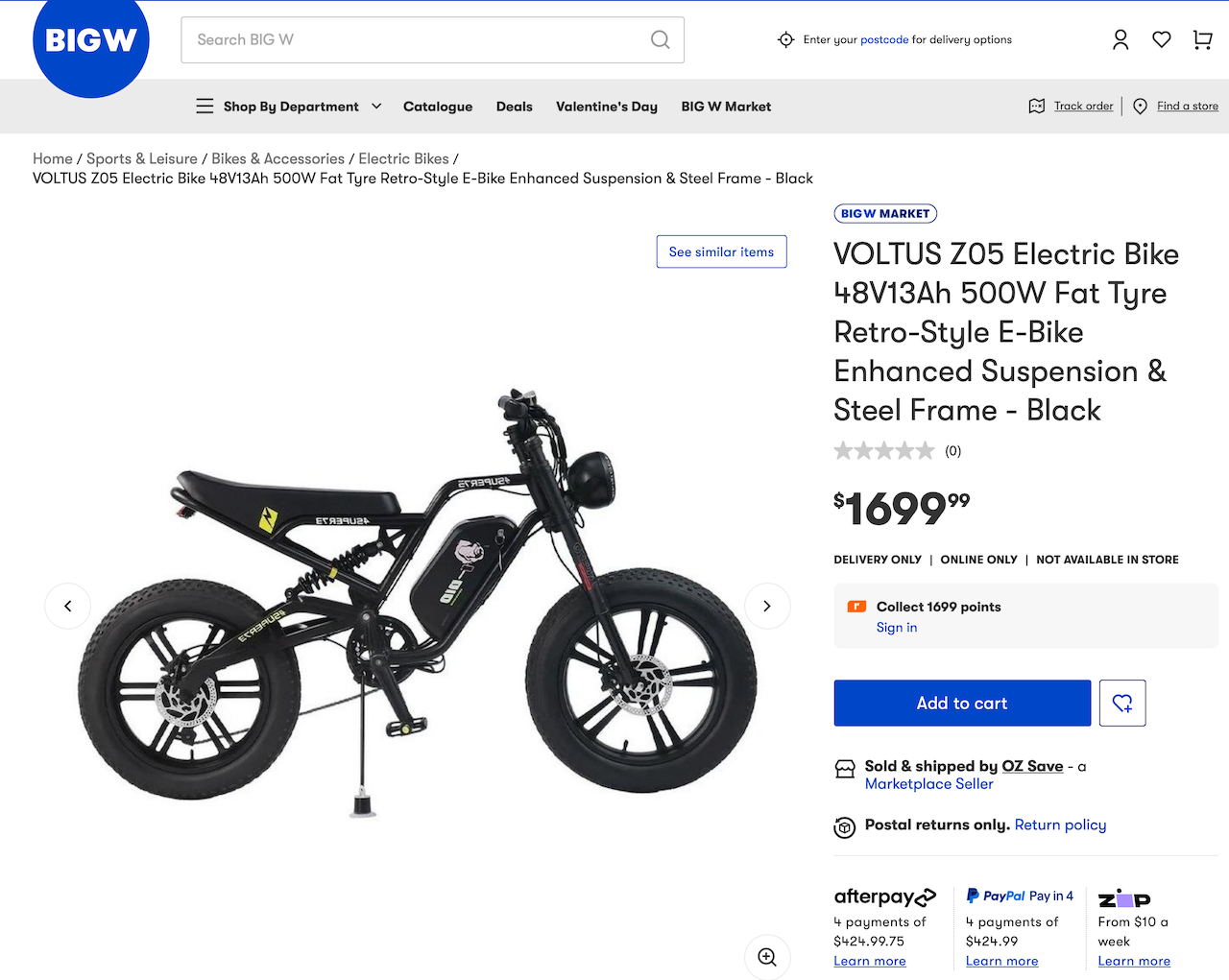
Today, a similar dynamic is unfolding with eBikes. The author, an eBike rider who relies on them as primary transport, argues that while young riders are often blamed for issues arising from eBike access, the real fault lies with regulatory negligence and a lack of clear standards. This has led to authorities in New South Wales (NSW) seizing and even destroying eBikes used by young people.
Navigating eBike Regulations
The author distinguishes between two main types of eBikes. In Victoria, an Electric Power Assisted Bicycle (EPAC) is defined as having a motor of no more than 250W, with assistance cutting out at 25 km/h. The second type is a power-assisted bicycle with a throttle up to 25 km/h but limited to a 200W motor. However, regulations differ across states, with NSW permitting eBikes up to 500W, a move toward harmonisation with the European EN15194 standard.
Calls for Clarity and Safety
The 500W allowance in NSW, particularly without restricting higher power outputs to specific types of bikes like cargo bikes, is identified as a problem created by federal and NSW governments. While acknowledging that 250W might be insufficient for heavier cargo bikes, the author expresses skepticism about throttles on eBikes, suggesting their presence effectively turns them into motorbikes. The speed limit of 25 km/h for assistance is deemed sensible, allowing for faster travel through increased pedalling effort.
Enforcement and Standards Shortcomings
The ease with which speed limiters on many eBikes can be modified or removed is a significant concern, turning them into electric motorbikes that require different skills and safety gear. The complexity of Australian product safety laws, involving multiple agencies like the ACCC, State Fair Trading Agencies, and the Electrical Equipment Safety System (EESS), is cited as a major contributing factor to the problem. Many states do not fully participate in the EESS, creating a fragmented regulatory landscape.

Manufacturers, importers, wholesalers, retailers, and online marketplace platforms are all seen as having a role and responsibility. While manufacturers and importers have clear safety compliance obligations under the EESS and Australian Consumer Law, the responsibility becomes more blurred for online marketplaces. Platforms like Kogan, eBay, Amazon, and even major retailers such as Woolworths and Coles are selling eBikes, often with disclaimers prompting consumers to check local laws. This shifts the burden of ensuring safety and legality onto the buyer, a position mirrored by NSW Minister for Transport John Graham, who has urged parents to navigate these complex standards.
The Path Forward
What is urgently needed, according to the article, is a clear, unified standard and a compliance mark, similar to the RCM, to certify that personal mobility devices are safe and meet regulations. The author also suggests that a case can be made for higher-powered eBikes and cargo bikes, possibly through a power-to-weight regulation or a moped/scooter-style approval that includes licensing and training.
The piece concludes by advocating for stricter enforcement of existing road safety laws for all road users. The author emphasizes that children and young adults should have access to eBike technology, which offers liberation, fosters independence from car ownership, and promotes a sustainable lifestyle. The freedom experienced by the BMX riders in the 1983 film is seen as a precursor to the freedom eBikes can provide, with the assertion that “The kids are alright, they just need safer toys.”