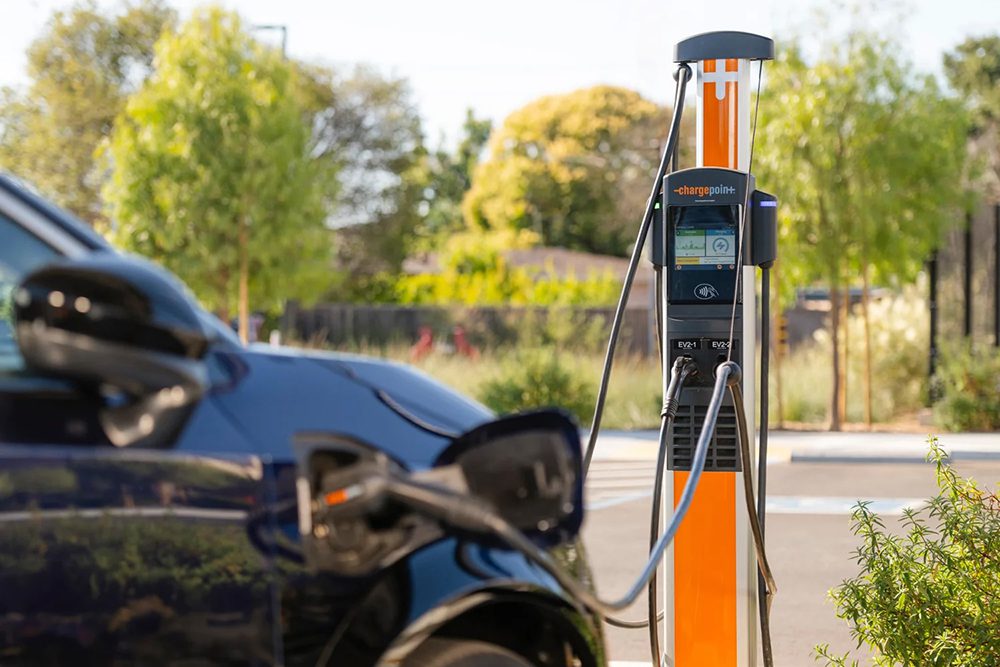
Despite a significant increase in the deployment of electric vehicle (EV) charging stations across the US and Europe, and ongoing plans by major retailers like Walmart and Kroger to expand charging locations, the availability of public charging infrastructure is struggling to keep pace with burgeoning driver demand. Data from EV charging provider ChargePoint, analyzing over 100 million charging sessions in the past year, indicates a critical gap between the number of EVs on the road and the charging facilities available to support them.
Infrastructure Lagging Behind EV Adoption
ChargePoint’s analysis, combined with 2025 EV sales figures, highlights a trend where the growth in EVs is outpacing the expansion of public charging infrastructure. The company observed substantial increases in both charging port availability and network utilization over the last year. This suggests that the rapid adoption of electric vehicles is creating a demand that current infrastructure build-out is not meeting.
CEO Highlights Shifting Demand Metrics
“ChargePoint believes we have entered the next phase of EV adoption,” stated CEO Rick Wilmer. “Nearly 60% of the 19.3 billion electric miles we’ve enabled in nearly 18 years took place over the most recent two years. New EV sales are no longer the primary benchmark for charger demand, it is the total number of EVs on the road. Those installing chargers in 2026 should see accelerated ROI because of this utilization pressure.”
Utilization Rates Signal Growing Bottleneck
Citing auto industry data, ChargePoint reports a 20% rise in global EV sales in 2025. However, the volume of charging sessions has seen an even more significant increase of 34% in the same year, indicating a higher utilization rate per vehicle. Even with the addition of 190,000 charging ports to the ChargePoint network, charger utilization rates climbed faster than the expansion of new ports by nearly 20%. The company warns that this bottleneck could worsen in 2026 if the pace of charger installation does not accelerate.