
Hyundai Bets Big on Humanoid Robots to Reshape the Future of Car Manufacturing
nn
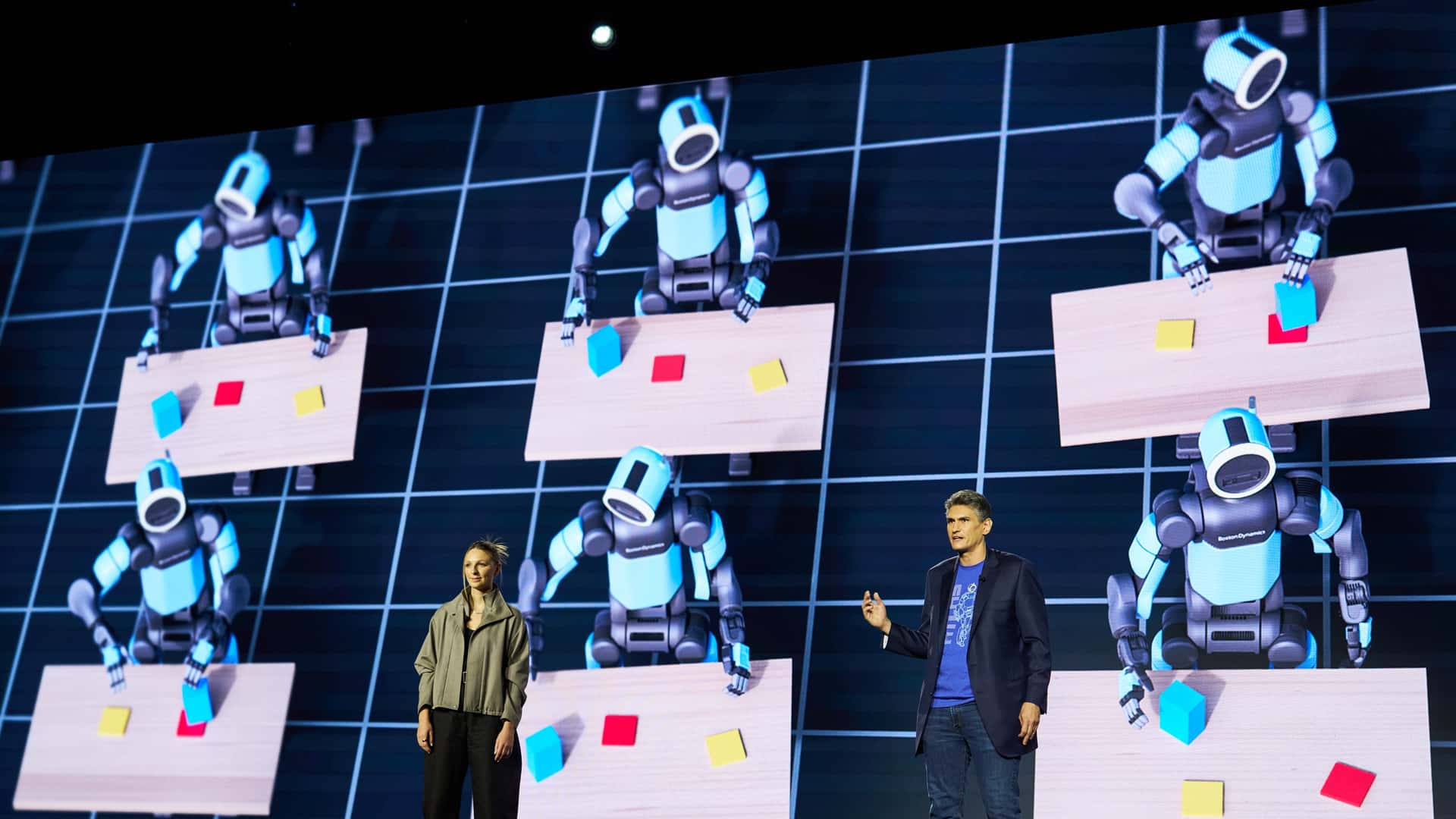
The automotive industry is standing on the precipice of a robotic revolution, and Hyundai is leading the charge. Following its acquisition of robotics pioneer Boston Dynamics in 2021, the South Korean auto giant has finally unveiled its grand vision: a future where humanoid robots are the primary workforce on the factory floor. Unveiled at CES 2026, this ambitious plan raises critical questions about the future of human labor, the price of vehicles, and the very nature of manufacturing.

nn
 n
nn

nn
The Goal: A Smarter, Safer, and More Efficient Factory
nn
At its core, Hyundai’s strategy is straightforward: leverage advanced robotics to achieve better safety, superior quality, and lower production costs. The plan involves deploying Boston Dynamics’ iconic Atlas humanoid robot to perform tasks that are repetitive, tedious, or dangerous for human workers.
nn
The timeline is aggressive and clear:
nn
- n
- 2028: Hyundai aims to begin deploying Atlas robots at its massive Metaplant in Georgia, the same facility currently producing the popular Ioniq 5 and Ioniq 9. This year also marks the start of a new initiative to build 30,000 robots annually.
- 2030: The plan is for Atlas to be fully integrated into the assembly process, handling complex component assembly alongside human colleagues.
n
n
nn
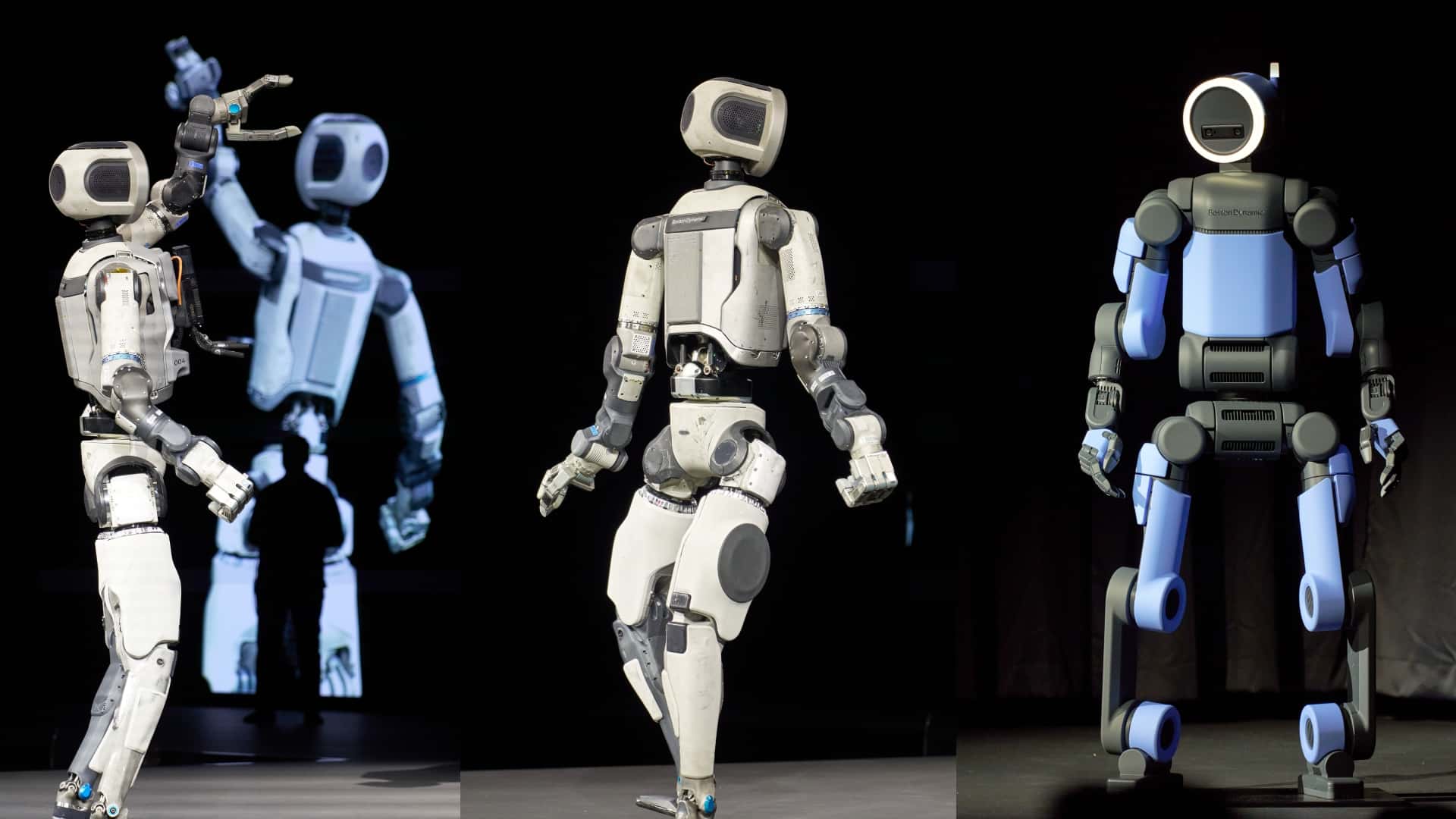
While a prototype Atlas robot danced on stage at CES, officials were transparent that its impressive movements were teleoperated. However, the stationary blue robot displayed alongside it represents the production-ready model that Hyundai plans to unleash on its factory floors in just two years.
nn
Jobs at Risk? Hyundai Says “No, We’ll Need More”
nn
The immediate concern for the automotive workforce is job displacement. With 250,000 global employees, the implication of replacing human labor with robots is significant. However, Hyundai executives are pushing back against the narrative of mass layoffs.p>nn
n
“We understand the concerns about job security when you deploy the robotic solutions,” said Jaehoon Chang, Vice Chairman of the Hyundai Motor Group. “But… we must do the right thing for people in terms of collaboration. And that means we probably need more jobs.”
n
nn
Chang elaborated that this new era of automation will create a need for roles focused on:
nn
- n
- Guiding and Supervising: Overseeing the robotic workforce.
- Maintenance: Ensuring the robots are functioning correctly.
- Ecosystem Building: Developing the infrastructure and software to support this new production model.
n
n
n
nn
Heung-Soo Kim, an executive vice president, added that this robotic labor is tied to the company’s next-generation factory setup, not its current operational plans, suggesting a gradual transition rather than an immediate overhaul.
nn
 n
nn
nn
What This Means for Car Prices (And Your Wallet)
nn
If a car is built by robots, shouldn’t it be cheaper? According to Hyundai, don’t count on a significant price drop. Juncheul Jung, Hyundai’s head of manufacturing, explained that labor costs currently account for only about 5% to 10% of a vehicle’s total manufacturing cost. While automation will have an impact, Jung stated it “will not be so large” as to dramatically lower sticker prices for consumers.
nn
The real benefits for customers, Hyundai argues, will be in quality and consistency. By removing human error from more processes, the cars rolling off the line should be more reliable and uniformly built.
nn
The Broader Race to a Robotic Workforce
nn
Hyundai is far from alone in this pursuit. The race to integrate robotics into manufacturing is accelerating across the industry:
nn
- n
- Tesla: Has been developing its Optimus robot for years, with Elon Musk making bold claims about its future value to the company.
- Chinese Automakers: Companies like Xpeng are aggressively following Tesla’s playbook, investing heavily in their own “physical AI” initiatives.
- Rivian: Has also recently spun off a dedicated robotics division.
n
n
n
nn
Robert Playter, CEO of Boston Dynamics, believes Hyundai has a unique advantage. He points to the company’s “commercial maturity” and existing revenue streams from its Spot robotic dogs. More importantly, Playter sees a future beyond the factory floor, envisioning a “robotics-as-a-service” model that could see Atlas deployed in sectors like elder care, where demand is skyrocketing.
nn
“They’re all still doing, for the most part, demos,” Playter said of competitors. “That’s not our approach.” With Hyundai’s capital and manufacturing scale, the path from demo to a global robotic workforce seems more plausible than ever. The factory of the future is no longer a distant dream—it’s being built right now, one humanoid robot at a time.
nn
nn
Got a tip or a thought on Hyundai’s robotics plans? Contact the author at patrick.george@insideevs.com.