
As electric vehicles (EVs) gain popularity, understanding their unique performance in extreme cold is crucial. While EVs offer many advantages, winter storms present specific challenges that drivers should be prepared for. This guide offers essential knowledge for EV owners facing harsh winter conditions, highlighting how EVs can still perform effectively and, in some cases, even better than traditional gasoline-powered vehicles.
Understanding Reduced EV Range in Cold Weather
A primary concern for EV drivers in winter is the noticeable decrease in driving range. This phenomenon is rooted in both physics and chemistry. Cold air’s increased density affects aerodynamics and tire pressure, while the cabin heater works harder to maintain a comfortable interior temperature. For EVs specifically, colder temperatures slow down the chemical reactions within the battery responsible for generating power.

According to Consumer Reports, “Running the cabin heater, seat heaters, defroster, and other accessories that combat the cold weather inside the car all sap range.” Their testing indicated that range can drop significantly at temperatures around 40°F (4°C), with a substantial reduction of about 25 percent in range when cruising at 70 mph (112 km/h) in 16°F (-9°C) weather compared to milder conditions.
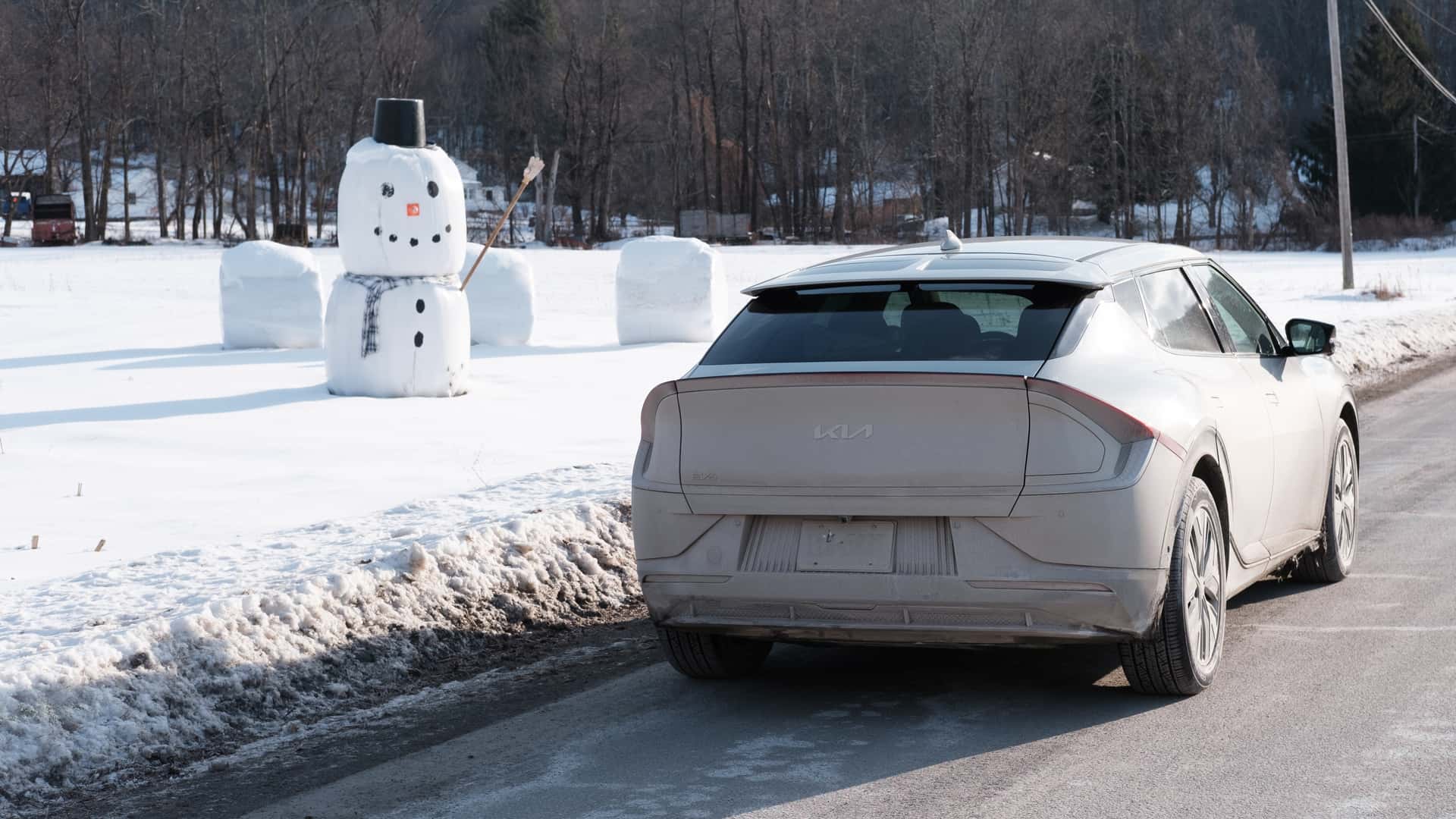
For instance, a 2024 Kia EV6 might show a range of 220-240 miles (354-386 km) on a full charge in temperatures between 0 and 30°F (-18 to -1°C), a notable drop from its 280-300 miles (450-483 km) range in temperate weather. This translates to efficiency figures dropping from 3-4 miles per kilowatt-hour (mi/kWh) to around 2 mi/kWh or less in freezing conditions.
Strategic Charging and Battery Management
Charging to 100% When Necessary
While it’s generally advised to charge EV batteries to 80% for daily use to maintain long-term battery health, it is perfectly acceptable to charge to 100% when extra range is needed, particularly for long trips or to offset winter range loss. Many EVs have a built-in buffer, meaning the displayed 100% doesn’t utilize the entire battery capacity. This practice, when not done excessively, does not pose a significant risk to battery longevity.
Keeping Your EV Plugged In
In winter months, many owner’s manuals recommend keeping EVs plugged in more frequently. Modern EVs are designed to manage battery temperature, even when parked, to prevent degradation from extreme cold. Leaving the car plugged in helps maintain optimal battery levels and prevents charge loss due to thermal management systems.
Optimizing Comfort and Performance with Preconditioning
Preconditioning the Cabin
A key strategy for preserving battery range is preconditioning the vehicle’s cabin while it’s still plugged in. Using a smartphone app or key fob, drivers can remotely set the desired cabin temperature. This process uses energy from the charging source, not the vehicle’s battery, thereby saving precious range for driving, especially for short trips where heating the cabin can significantly impact efficiency.
Preconditioning the Battery for Charging
For faster DC fast-charging, preconditioning the EV’s battery is essential, particularly in winter when cold temperatures can slow charging speeds. Some vehicles allow manual preconditioning, while others automatically activate it when a DC fast charger is set as a navigation destination. This step significantly improves charging performance and reduces waiting times.
Essential Winter Maintenance and Driving Features
Sensor and Camera Maintenance
As with any modern vehicle, keeping sensors and cameras clean is vital for the proper functioning of driver-assistance systems like backup cameras, emergency braking, and adaptive cruise control. Snow, mud, and road salt can obstruct these components. Many cars will alert drivers when sensors are blocked. Regular cleaning, similar to maintaining a gasoline car against rust from road salt, is recommended. Drivers should also check for a “Car Wash Mode” if their EV has an automatically opening charging port door.
Utilizing Heated Seats and Steering Wheels
Heated seats and steering wheels are highly efficient ways to stay warm in an EV during winter. They consume significantly less energy than the main cabin heating system. While preconditioning the cabin is beneficial, relying on these features can further conserve battery range. Maintaining a moderate cabin temperature and using targeted heat sources like seat warmers is an effective strategy.
Leveraging Driving Modes
Driving modes, often overlooked in gasoline cars, can be genuinely useful in EVs. “Eco Mode” can help extend range by deactivating the front motor and reducing power. “Snow Mode,” if available, optimizes traction for slippery conditions by adjusting throttle response, managing all-wheel-drive torque, and limiting regenerative braking to prevent wheelspin and enhance stability.
Traction: EV Advantages and Tire Considerations
EVs generally exhibit impressive traction and acceleration in snow, even in single-motor configurations. The instant and responsive power delivery from electric motors provides a palpable advantage over gasoline-powered cars in slippery conditions. This enhanced traction can be particularly beneficial during winter storms.
However, it’s crucial to remember that superior EV traction is not a substitute for proper winter tires. While all-season tires may suffice for some, dedicated snow tires (like Blizzaks or similar) or all-weather/snow-rated all-season tires offer the best safety and performance in challenging winter environments. Journalists and experts consistently recommend appropriate tires for the best possible winter safety.
Conclusion: Winter Preparedness for EV Owners
While winter range losses are a reality for EVs, they generally do not pose a significant issue for the majority of daily driving needs. Critics often underestimate EV performance in the cold, and the inherent traction advantages in snow are a considerable benefit. By understanding these factors and implementing strategies like preconditioning, strategic charging, and using efficient heating features, EV owners can confidently navigate winter storms. As with any vehicle, preparedness, planning, and driving within one’s abilities are key to a safe winter driving experience.