
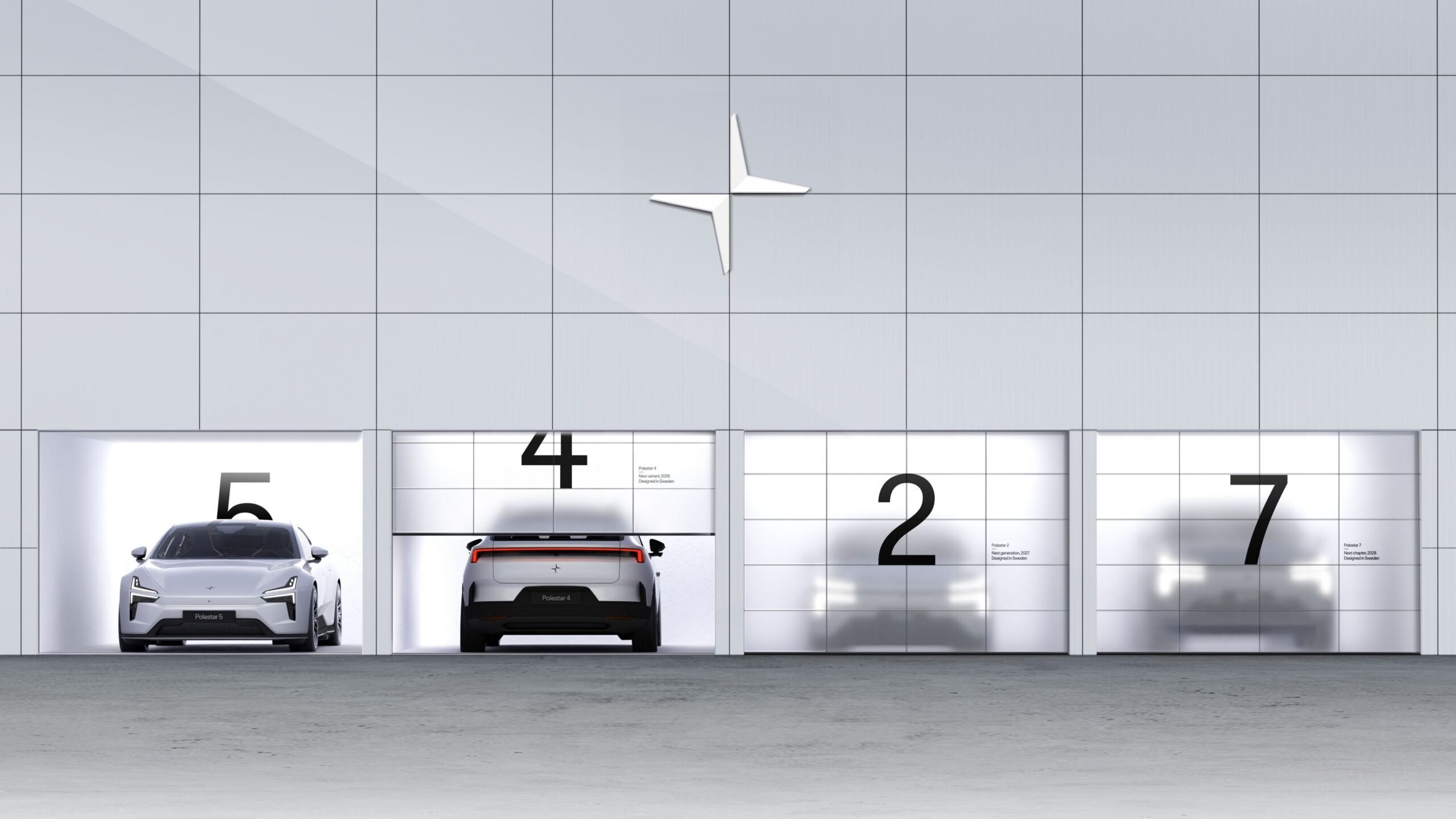
Polestar, the Swedish electric vehicle manufacturer, has detailed its strategic plan for introducing four new models to its lineup over the next two years, with the Polestar 2, 4, 5, and 7 slated for release by 2028.
Polestar 5: Performance Sedan Nears Production
Leading the charge is the Polestar 5, a four-door Grand Tourer (GT) first previewed in 2025. This high-performance electric sports car boasts an advanced aluminium body, promising a significant WLTP range of 678 km. In its dual-motor configuration, the Polestar 5 is engineered to deliver an impressive 650 kW of power, capable of accelerating from 0 to 100 km/h in just 3.2 seconds. European deliveries are anticipated to commence around mid-year, with Australian deliveries expected to follow shortly thereafter.

Polestar 4: Expanding Market Reach with a Versatile New Variant
Following the Polestar 5, the company will introduce a new variant of its existing Polestar 4 model. This iteration is designed to appeal to a broader customer base by offering enhanced versatility. Formally launching later this year, this variant is slated for European deliveries in the fourth quarter.
Polestar CEO, Michael Lohscheller, described the new Polestar 4 variant as a vehicle that “combining the space of an estate and the versatility of an SUV with the dynamic performance that is Polestar.” This description suggests a model that could potentially bridge the gap between estate cars and SUVs, offering practical space with sporty driving dynamics. The potential for this more versatile Polestar 4 to be offered in the Australian market remains a point of interest.
Polestar 2: All-New Generation Arrives in 2027
Polestar’s inaugural all-electric model, the Polestar 2, first entered production in 2020. Since its initial release, the Polestar 2 has undergone several updates to its technology and aesthetics. The company has confirmed that a completely redesigned successor, retaining the Polestar 2 designation, is scheduled for launch in 2027. This signifies a major evolution for the brand’s foundational electric sedan.

Polestar 7: Compact Premium SUV Debuts in 2028
The fourth model in the upcoming lineup is the Polestar 7, envisioned as a compact, premium SUV. Set for a 2028 launch, this model is significant as it will be Polestar’s first vehicle to be manufactured in Europe, at Volvo’s new production facility in Slovakia. As with the Polestar 4 variant, no official announcement regarding the Polestar 7’s availability in Australia has been made.
Brand Growth and Sales Projections
Polestar appears to be transitioning from a nascent brand into a more established automotive player, evidenced by its expanding vehicle portfolio and strong commercial performance. The company reported its best year for worldwide retail sales in 2025.
Looking ahead, Michael Lohscheller expressed confidence in the company’s trajectory, stating, “In 2026, with a disciplined approach, the Company expects to deliver low double-digit retail volume growth. The sales mix is expected to continue to evolve with an increasing share of Polestar 4.” This indicates a strategic focus on scaling production and sales, with the Polestar 4 model expected to play an increasingly significant role in the sales mix.
Considerations on Environmental Impact and Vehicle Size
While Polestar has demonstrated a commitment to improving environmental outcomes through its production processes and material sourcing, a recurring point of discussion revolves around the inherent environmental benefits of vehicle size.
Critics and observers note that the most impactful way to reduce energy consumption and material usage in vehicle manufacturing and operation is by producing smaller, more efficient vehicles. Currently, no Polestar model can be classified as ‘small,’ and all feature substantial battery packs, typically for use in urban and suburban environments.
This raises a broader question for the automotive industry: “does the world really need more premium medium to large SUVs and sports saloons?” as the industry navigates the transition to electric mobility and its associated environmental responsibilities.
Article by Bryce Gaton