
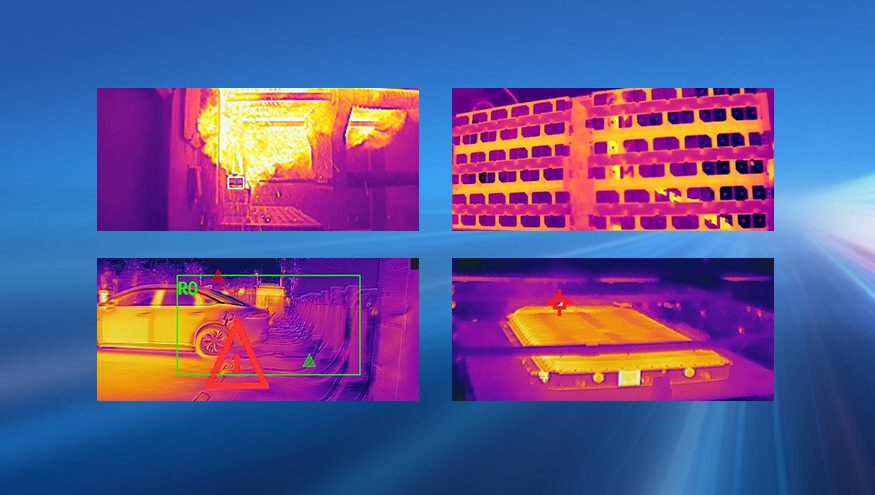
Thermal imaging specialist Raythink has detailed a comprehensive, three-layer strategy aimed at mitigating thermal risks throughout the entire lifecycle of lithium-ion batteries. The approach covers everything from manufacturing and testing phases to charging, energy storage, and eventual recycling.
Infrared Monitoring at Core
The system fundamentally relies on infrared-based thermal monitoring. The initial layer involves deploying ruggedized thermal cameras in critical areas such as production lines and storage facilities. These cameras are designed to withstand harsh industrial environments.

Centralized Data and Cloud Integration
The second layer comprises VIS3000, a cloud-based platform designed to consolidate thermal data. This platform enables trend analysis, detailed incident reviews, and the generation of compliance documentation. It acts as a central hub for all thermal monitoring information.
Unified Safety Network
Completing the strategy, the third layer focuses on integrating the thermal monitoring system with existing safety infrastructure. This includes seamless connectivity with Battery Management Systems (BMS), fire alarm systems, and distributed control systems, thereby creating a unified and robust monitoring network.
Addressing Industry Gaps
Raythink highlights that current thermal monitoring solutions often remain fragmented, with different stages of the battery lifecycle managed by separate, unconnected systems. The company’s consolidated, single-platform approach aims to rectify this by centralizing data from all environments. Beyond enhancing safety, this integrated data aggregation is expected to provide valuable insights into production processes and overall quality.

“The system addresses key gaps in traditional lithium-ion battery safety monitoring and enables proactive, full-lifecycle management of EV battery thermal risks,” stated the company in its white paper.
The full white paper is accessible for download via raythink-tech.com.