
{
“title”: “Tesla Adjusts Referral Program, Signaling Shift Away from Model S and Model X”,
“content”: “
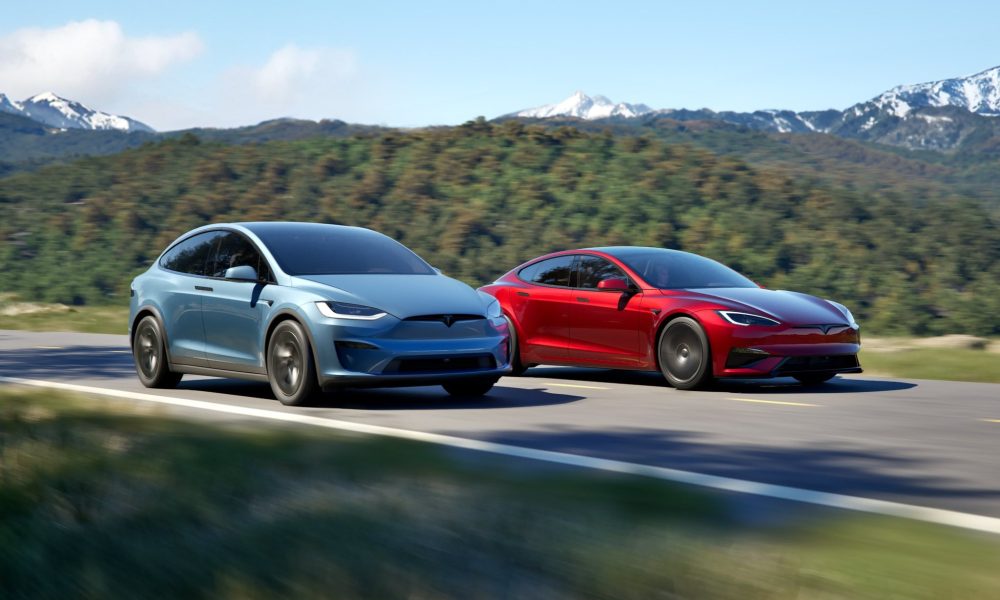
Tesla has implemented further changes to its U.S. referral program, a move that observers interpret as a significant step toward phasing out its flagship Model S sedan and Model X SUV.

nn
Referral Program Modifications Signal End of an Era
nn
The electric vehicle manufacturer quietly removed the Model S and Model X from its U.S. referral program earlier this week. This adjustment effectively eliminates the previously offered $1,000 referral discount for new buyers of these models.

nn
Existing Tesla owners who purchase a new Model S or Model X will now receive a reduced loyalty discount of $500, a decrease from the prior $1,000 incentive. These changes underscore a strategic recalibration by Tesla concerning its most established luxury vehicles.
nn
Broader Program Updates and Strategic Focus
nn
The modifications to the referral program are not exclusive to the Model S and Model X. New buyers of the Cybertruck in its Premium AWD or Cyberbeast configurations will no longer receive a $1,000 discount.
nn
Instead, both the referrer and the buyer will now be granted three months of access to Tesla’s Full Self-Driving (Supervised) software. This shift indicates a strategic push to incentivize adoption of advanced software features.
nn
Furthermore, the loyalty discount for Cybertruck purchases has also been reduced to $500, with the exception of the new Dual Motor AWD trim level. These adjustments are currently applicable only within the United States.
nn
Company Confirmation and Production Timeline
nn
These strategic decisions align with Tesla’s stated objectives of optimizing profit margins and promoting the uptake of its autonomous driving technology. The company had previously confirmed earlier this year that production of the Model S and Model X is slated to conclude in the second quarter of 2026.
nn
This cessation of production is anticipated to occur around June, as Tesla plans to reallocate factory resources towards the development of its Optimus humanoid robot and other next-generation vehicles. The move suggests a deliberate wind-down of these iconic models.
nn
Market Dynamics and Consumer Response
nn
With the annual sales volume of the Model S and Model X already on a downward trend—reporting 53,900 units in 2025—the necessity for significant incentives to drive demand is diminishing. Tesla appears confident that there will be sustained interest in the remaining inventory without the need for substantial promotional offers.
nn
Industry analysts view these developments as the most concrete indication yet of an “end-of-life” phase for the vehicles that were instrumental in establishing Tesla’s presence in the luxury electric vehicle market. Online community discussions reflect a mix of nostalgia and concern among long-time owners regarding the phasing out of popular perks.
nn
Some prospective buyers are reportedly accelerating their purchase decisions to capitalize on the final available discounts before they are entirely discontinued. The diminishing incentives signal a clear transition in Tesla’s product strategy.
nn
Strategic Imperatives and Future Outlook
nn
For Tesla, these strategic maneuvers are designed to enhance operational efficiency. This includes minimizing discounts on outgoing models, intensifying efforts to promote FSD subscriptions, and concentrating on high-margin configurations of the Cybertruck amidst robust order volumes.
nn
Enthusiasts and potential buyers still have a limited timeframe to acquire a newly updated Plaid or Long Range model with any remaining incentives. However, the overarching message from Tesla is one of evolution, indicating that the era of its original flagship models is drawing to a close.
nn
The removal from referral programs and reduced incentives suggest a controlled wind-down, allowing Tesla to focus its resources on upcoming innovations and high-demand models, thereby shaping the future of its automotive portfolio.
”
}