
{
“title”: “Rolls-Royce Revises All-Electric Deadline Amid Evolving Market Demands”,
“content”: “
In a significant strategic pivot, Rolls-Royce Motor Cars has recalibrated its ambitious timeline for an all-electric future, stepping back from its earlier commitment to cease internal combustion engine (ICE) vehicle production by 2030. The luxury British marque, renowned for its V12 engines, will now continue to offer these traditional powertrains, responding to sustained customer demand and a shifting regulatory environment.
nn
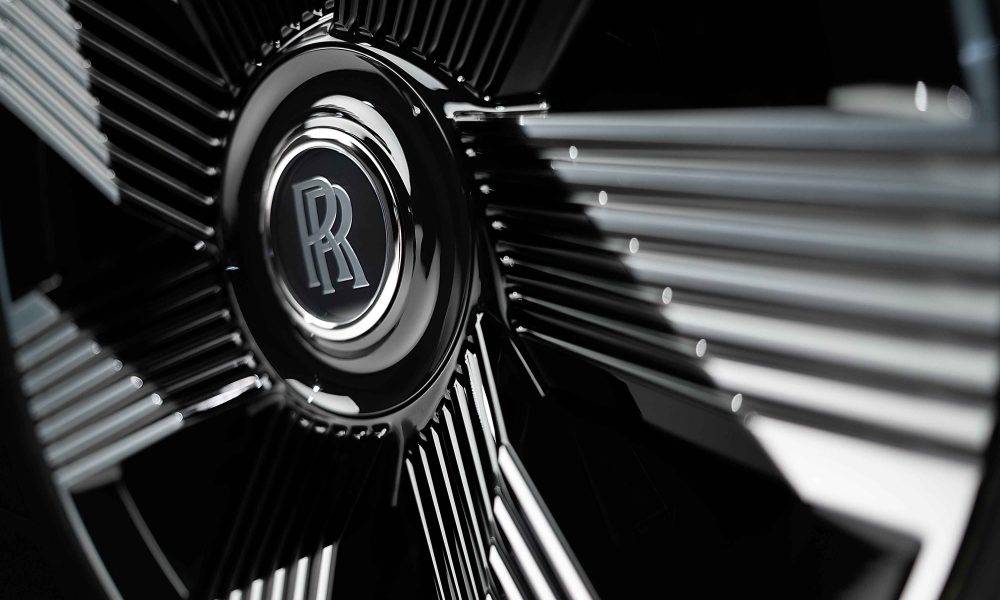
This adjustment marks a departure from the vision articulated in 2022, when former CEO Torsten Müller-Ötvös unveiled the brand’s inaugural all-electric model, the Spectre. At the time, Müller-Ötvös had declared the marque’s intention to transition exclusively to electric propulsion by the decade’s end. This bold move was aligned with a broader industry trend towards electrification, promising the silent, effortless power that epitomises the Rolls-Royce driving experience.
nn
A Shift in Leadership and Vision
nn
The revised strategy has been spearheaded by new CEO Chris Brownridge, who assumed leadership in late 2023. Brownridge’s pragmatic approach prioritises client preferences and market realities, signifying a more flexible pathway for Rolls-Royce’s electric vehicle strategy.
nn
Addressing the change, Brownridge stated, “We can respond to our client demand … we build what is ordered.” He further clarified that while the original pledge was “right at the time,” the prevailing “legislation has changed,” necessitating a re-evaluation of the brand’s electrification roadmap.
nn
This recalibration means the iconic V12 engines, long a cornerstone of Rolls-Royce’s heritage and a key draw for discerning buyers, will remain an integral part of its offerings. The distinctive sound, character, and established reliability of these high-powered combustion engines continue to appeal to a segment of the ultra-luxury market that values tradition and proven performance.
nn
Factors Driving the Strategic Reversal
nn
Rolls-Royce’s decision to temper its expectations for electric vehicles stems from a confluence of factors, including persistent customer loyalty to traditional powertrains, a more relaxed regulatory landscape, and a discernible slowdown in electric vehicle demand globally.
nn
Sustained Demand for Combustion Engines
nn
A primary driver for the strategic shift is the unwavering demand from Rolls-Royce’s clientele for its combustion engine vehicles. In the ultra-luxury segment, purchasing decisions are often deeply personal and rooted in emotional connection to a brand’s legacy, craftsmanship, and the unique sensory experience provided by its powertrains. The distinctive feel and acoustic signature of a V12 engine remain a significant part of this appeal, which many customers are not yet ready to relinquish.
nn
Evolving Regulatory Environment
nn
The global regulatory landscape surrounding emissions and vehicle electrification has proven to be less rigid than initially anticipated. Brownridge’s observation that “the legislation has changed” points to a scenario where earlier, stringent deadlines for phasing out internal combustion engines have either been extended or modified in key markets. This provides manufacturers like Rolls-Royce with greater flexibility to adapt their product portfolios to current market conditions without facing immediate legislative pressure to go entirely electric.
nn
Decelerating Electric Vehicle Sales Growth
nn
Compounding these factors is a noted deceleration in the growth of electric vehicle demand. This trend has not spared the luxury segment, as evidenced by a 47 percent drop in Rolls-Royce Spectre sales, which recorded 1,002 units in 2025. This downturn in sales figures suggested that a significant portion of Rolls-Royce owners were not yet fully convinced that an exclusively all-electric future was the optimal path for the brand, prompting the company’s reconsideration.
nn
Balancing Innovation with Tradition
nn
Despite the adjustment to its all-electric timeline, Rolls-Royce is not abandoning its commitment to electric vehicles. The Spectre, the brand’s pioneering electric model, remains in production and is an integral part of its current lineup. Furthermore, the company has confirmed that an electric variant of its popular Cullinan SUV is forthcoming, underscoring a continued investment in electrification as part of a diversified product strategy.
nn
This balanced approach allows Rolls-Royce to cater to clients who are ready to embrace electric luxury while simultaneously serving those who prefer the established tradition of combustion engines. The move highlights a strategic flexibility designed to navigate the complex and evolving preferences of its exclusive clientele, ensuring the brand’s enduring appeal across different powertrain technologies.
nn
A Broader Industry Trend Towards Pragmatism
nn
Rolls-Royce’s decision is reflective of a wider trend observed across the automotive industry, particularly among luxury and mainstream manufacturers, to re-evaluate aggressive electrification targets. Many automakers are opting for a more measured transition, acknowledging infrastructure gaps, evolving consumer preferences, and policy shifts.
nn
Fellow luxury brand Bentley, for instance, has pushed back its target for full electrification from 2030 to 2035, maintaining offerings of hybrids and ICE models in the interim. Mercedes-Benz has also recalibrated its 2030 all-electric goal, now aiming for approximately 50% electrified sales while committing to combustion engines into the 2030s. Porsche, another high-performance marque, has abandoned its ambitious 80% EV sales target by 2030, delaying new electric models and extending the lifespan of its hybrid offerings.
nn
Mainstream automotive giants are following suit. Honda recently cancelled several U.S. electric vehicle plans, including the 0-Series and Acura RSX, incurring a substantial $15.7 billion impact as it doubles down on hybrid technology. Similarly, Ford and General Motors have reported tens of billions in writedowns, leading to the cancellation of specific EV models and a strategic pivot towards hybrids, contributing to an industry total exceeding $70 billion in such charges.
nn
This collective shift underscores a pragmatic recognition that while electrification remains a long-term goal, the path to a fully electric future is more intricate and prolonged than initially conceived. Automakers are increasingly prioritising flexibility over rigid deadlines, ensuring their brands can evolve without alienating core customer bases or facing unsustainable financial pressures.
nn
The Future of Ultra-Luxury Mobility
nn
For brands operating in the ultra-luxury segment, where an emotional connection to the vehicle and its heritage is paramount, this strategic flexibility is particularly crucial. Rolls-Royce’s refined electric vehicle strategy allows it to continue its legacy of bespoke craftsmanship and effortless motoring while gradually integrating new technologies.
nn
By responding directly to client demand and adapting to the dynamic interplay of market forces and regulatory changes, Rolls-Royce aims to solidify its position at the pinnacle of automotive luxury. The marque’s revised approach ensures that its future, whether powered by a silent electric motor or a meticulously engineered V12, will continue to embody exclusivity, performance, and unparalleled refinement, reflecting a commitment to build what its discerning customers truly desire.
”
}