
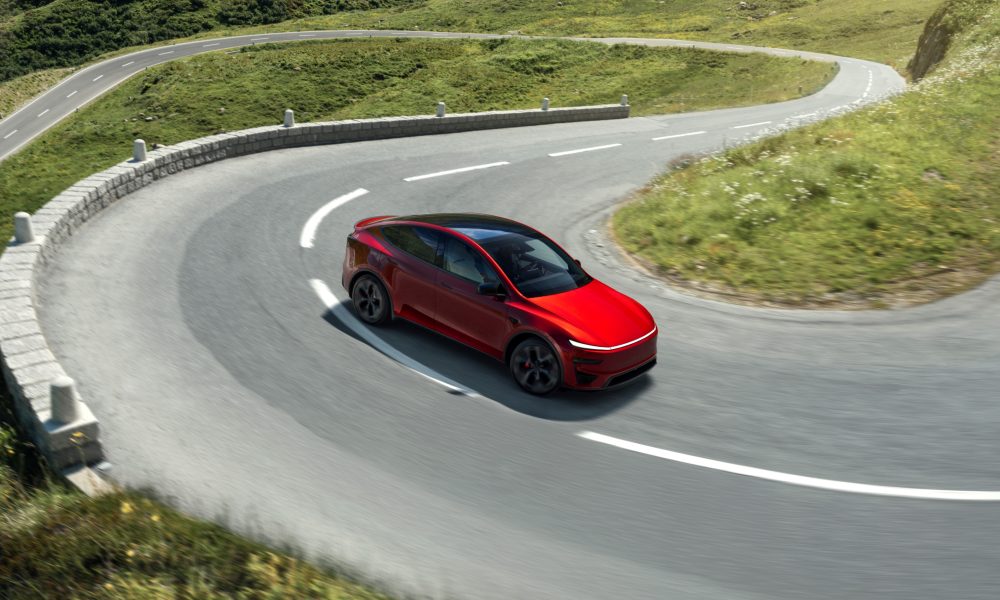
Paris, France – In a significant shift for the automotive industry, Tesla has claimed the top spot in France’s annual reliability rankings for 2025, unseating long-standing leader Toyota. This marks the first time the electric vehicle manufacturer has achieved this position, a milestone acknowledged by CEO Elon Musk on the social media platform X.
Tesla Leads Auto Plus Reliability Study
The latest reliability study, conducted by French magazine Auto Plus and published on February 6, 2026, evaluated early-onset problems reported in 2025 on vehicles registered in France since January 1, 2018, with under 150,000 kilometers. Tesla’s impressive performance saw it rank first overall, ahead of established brands across all powertrain types, including gasoline, hybrid, and electric vehicles.
This debut appearance in the rankings, according to a Numerama report, is attributed to Tesla’s growing vehicle presence in the French market. The publication noted that Tesla vehicles exhibited minimal recurring defects, with isolated suspension arm issues being the only notable concern. These are reportedly covered under the company’s four-year or 80,000-kilometer warranty. Other minor issues mentioned included occasional screen glitches and door handle concerns.
Tesla https://t.co/qgBZWiSqvS
— Elon Musk (@elonmusk) February 9, 2026

Challenging Past Perceptions of EV Reliability
Tesla’s leading position presents a notable contrast to previous assessments from organizations like the German Automobile Club (ADAC), which had previously ranked models like the Model 3 and Model Y lower in their technical inspection reports. Auto Plus suggests that ADAC’s methodology, which heavily weighted factors such as brake disc wear, might not be the most accurate indicator of overall vehicle dependability.
By contrast, the Auto Plus study focused on real-world reliability data and issues encountered by owners in the early stages of vehicle ownership. The magazine emphasized that electric vehicles, with their simpler mechanical designs featuring fewer moving parts compared to combustion engines, are not inherently less reliable. This approach provides a broader perspective on how vehicles perform over time, moving beyond specific component wear under inspection standards.
While acknowledging the limitations of its analysis, the publication’s findings lend strong support to the argument that electric vehicles can achieve, or even surpass, the reliability standards set by traditional automotive brands. Tesla’s top placement in France underscores a shifting perception of EV durability as more comprehensive long-term data becomes available in key global markets.