
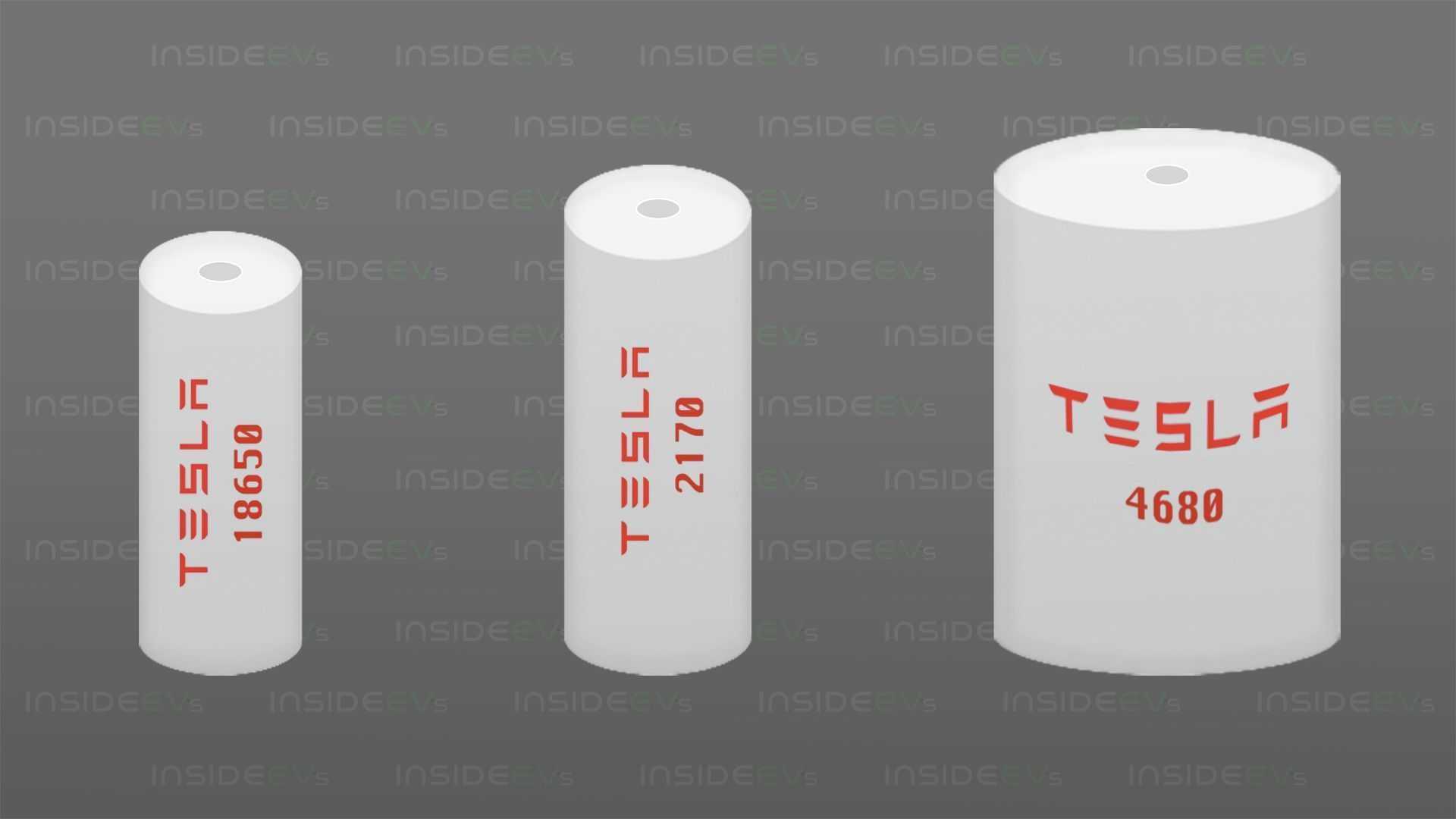
Tesla, a global leader in electric vehicles, sources its high-voltage battery packs from various suppliers, including LG Energy Solution (LGES), Panasonic, and CATL. While the company also develops its own 4680 cells for select models, a recent report from a Croatian repair and R&D shop, EV Clinic, suggests a significant disparity in battery quality depending on the manufacturing origin.
EV Clinic has claimed that LGES’s nickel-manganese-cobalt (NCM811) batteries, specifically those produced in China for Tesla Model Y and Model 3 vehicles, exhibit “extremely high failure” rates. According to the shop’s analysis, these batteries degrade much faster than the nickel-cobalt-aluminum (NCA) batteries manufactured by Panasonic in the U.S.
The core of the issue, as detailed by EV Clinic, lies in the high internal resistance within the LGES cells sourced from China. This increased resistance can lead to overheating, reduced power output, diminished range, and overall instability. In over 90% of the Tesla battery repair cases involving these LGES packs, the shop found that cell-level fixes were unfeasible.
“At this stage, we can confidently say: the cells are, to put it mildly, catastrophic,” EV Clinic stated in a recent post on X. The shop further elaborated that even replacing faulty cells with matching donor cells is often insufficient, as it can trigger a cascading failure within the battery pack, leading to substantial warranty and labor costs.
Data shared by EV Clinic indicates that LGES cells manufactured at their Nanjing factory in China frequently register internal resistance levels exceeding 100 milliohms. In contrast, Panasonic cells consistently show much lower internal resistance, suggesting better health and slower degradation over time.
While LGES and Samsung SDI also produce nickel-based batteries in Europe, and Panasonic in the U.S., EV Clinic asserts that the China-made LGES cells are lagging behind. The report also noted that China excels in lithium-iron phosphate (LFP) technology, which is gaining traction in Western markets due to its cost-effectiveness, but the concerns raised here pertain to NCM battery packs.
According to EV Clinic’s estimates, Panasonic cells offer an average lifespan of approximately 248,000 miles (400,000 kilometers). The LGES batteries made in China, however, are reported to reach the end of their usable life around 155,000 miles (250,000 km). It remains unclear whether these issues are confined to specific production batches or affect a broader range of model years and vehicles manufactured in China.
While modern EV batteries have seen significant advancements, and studies suggest a low incidence of battery replacements for vehicles sold recently, such claims from a specialized repair shop warrant attention. If substantiated, these findings could cast a shadow on Tesla’s global battery supply chain, particularly as the company pursues ambitious growth targets.
Have a tip? Contact the author: suvrat.kothari@insideevs.com