
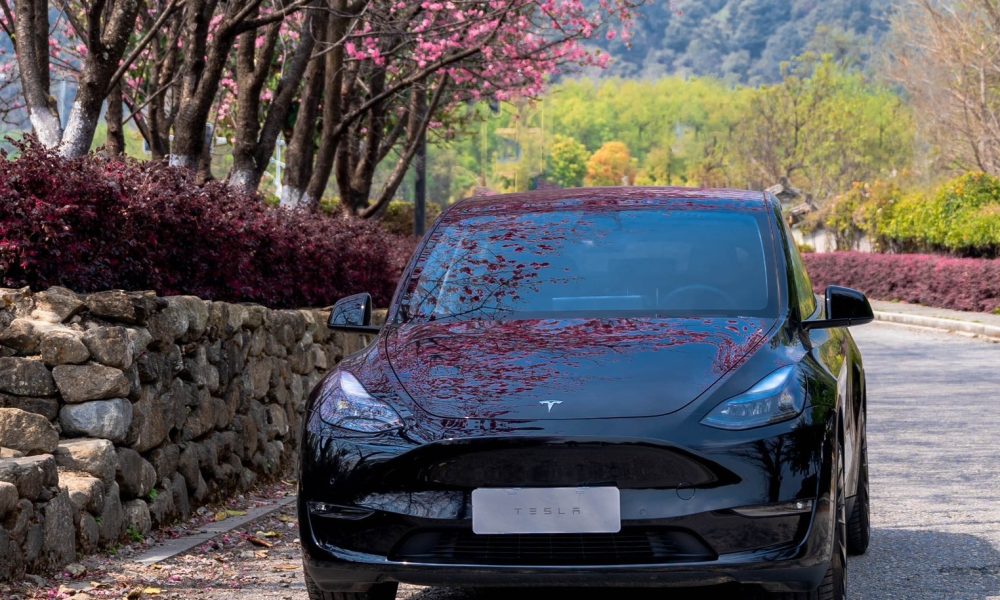
Tesla is making significant strides in its global rollout of Full Self-Driving (FSD) technology, with Japan emerging as the next key Asian market slated for implementation. Richi Hashimoto, president of Tesla’s Japanese subsidiary, announced that the company is targeting a 2026 launch for the advanced driver-assistance system.
Ambitious Timeline Set for Japanese Debut
Hashimoto expressed confidence in meeting the 2026 target, stating, “We are aiming for implementation in 2026. [We are] doing everything in our power [to achieve this].” This ambitious timeline is built upon a foundation of successful employee test drives that commenced in 2025.
The initial phase of testing in 2025 involved the Model 3, with the program expanding to include the Model Y starting March 5. These internal trials have reportedly garnered positive feedback from media participants, suggesting a promising outlook for the technology’s public release.
Regulatory Approval and Existing Fleet Integration
Pending regulatory approval, Tesla plans to leverage its Over-the-Air (OTA) software update capabilities to activate FSD features. This approach could potentially bring the technology to approximately 40,000 Tesla vehicles already operating in Japan, streamlining the deployment process.
Japan’s well-organized traffic systems and a strong emphasis on safety are considered ideal conditions for testing and deploying autonomous driving technologies. These factors are crucial for ensuring the safe and effective integration of FSD into the country’s automotive landscape.

Leadership Driving Sales Growth in Japan
The push for FSD implementation in Japan aligns with Richi Hashimoto’s leadership, which has been credited with a notable turnaround in Tesla’s sales performance in the region. Under his guidance, Tesla achieved a record of 10,600 vehicle deliveries in Japan in 2025.
This figure represents a nearly 90% increase from the previous year and marks the first time the company has surpassed 10,000 annual deliveries in the Japanese market. This sales surge underscores Tesla’s growing presence and customer base in Japan.
Strategic Retail and Infrastructure Expansion
Tesla’s strategy in Japan has involved a significant shift towards physical retail presence. The company transitioned from an online-only sales model to establishing 29 showrooms in high-traffic shopping malls. This move was complemented by investments in staff training and attractive financing options, introduced in January 2026.
Further bolstering customer confidence and vehicle accessibility, Tesla has outlined plans to expand its Supercharger network. The goal is to reach over 1,000 charging points by 2027, significantly enhancing the convenience for Tesla owners across Japan.
Broader Global Expansion and Production Milestones
The momentum in Japan is part of Tesla’s larger international growth strategy. In Europe, Giga Berlin demonstrated robust production capabilities in 2025, manufacturing over 200,000 vehicles despite a temporary operational halt. These vehicles serve more than 30 European markets, with ongoing plans for production increases in 2026 and the commencement of battery cell manufacturing by 2027.
Despite facing regional headwinds in electric vehicle sales, the Berlin factory remains a critical hub for Model Y deliveries throughout the continent. Its continued output is vital for meeting European demand.
Giga Shanghai’s Continued Dominance
In Asia, Giga Shanghai continues to solidify its position as Tesla’s primary production powerhouse. China, the company’s largest global market, saw deliveries from the Shanghai plant rise by 9% year-over-year in January 2026, reaching 69,129 units. The plant is expected to introduce more affordable new models later in the year, further stimulating sales.
FSD Advancements and Diversified Product Rollout
Tesla’s advancements in FSD are progressing steadily in established markets like the U.S. and South Korea. The company is also preparing for wider rollouts in Europe and other parts of Asia. These efforts are occurring in parallel with plans to introduce services like the Cybercab and the Optimus robot to new international markets.
With the prospect of OTA-enabled autonomous driving on the horizon and a refined retail strategy yielding positive results, Tesla is enhancing its global presence. From the new showrooms in Tokyo to the assembly lines in Berlin and export operations from Shanghai, the company is systematically expanding its reach. As Hashimoto continues to champion Tesla’s growth in Japan, the company’s overarching vision for sustainable, self-driving mobility is gaining significant traction across both Europe and Asia.