
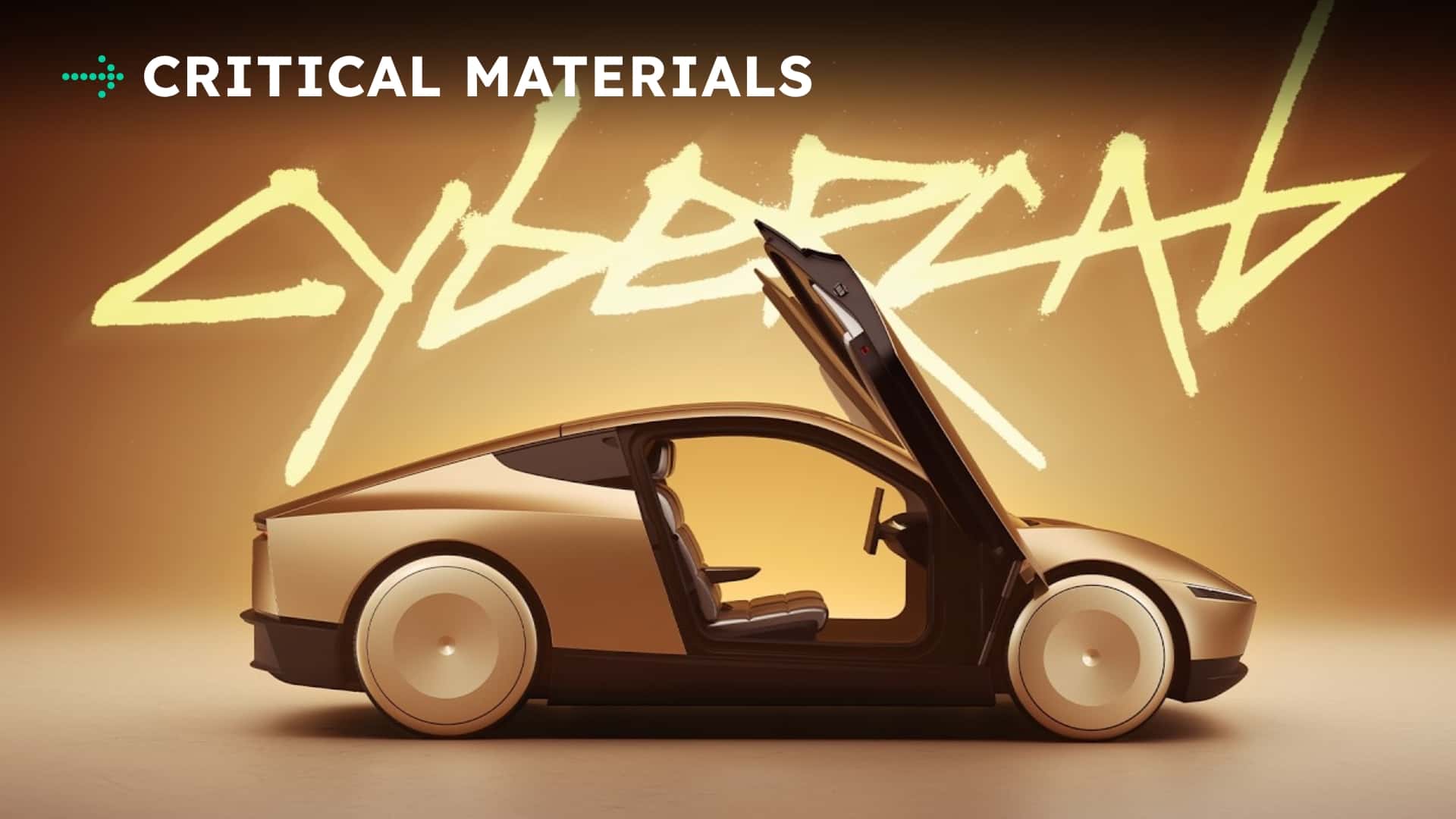
Tesla is bracing for a challenging production ramp-up for its most anticipated products, the Cybercab robotaxi and the Optimus humanoid robot, with CEO Elon Musk warning that initial output will be “agonizingly slow.” This potential return to what Musk previously termed “production hell” comes as the company nears a critical 100-day mark for Cybercab production.
Robot Production Faces Inevitable Hurdles
Musk cited the inherent complexity and novelty of new products as primary obstacles to rapid production. Both the Cybercab, which is expected to utilize Tesla’s new “unboxed” manufacturing process, and the Optimus robot involve entirely new components, assembly steps, and manufacturing techniques. “The speed of the production ramp is inversely proportionate to how many new parts and steps there are,” Musk stated in an X post.
These innovations are central to Tesla’s long-term vision. The Cybercab is positioned as a solution to global transportation challenges, contingent on the advancement of autonomous driving technology. The Optimus robot is projected by Musk to be an immense source of economic value, potentially surpassing the company’s automotive business by handling a wide range of tasks that humans may not wish to perform.
The company aims to begin volume production of the Cybercab in 2026, with Optimus output “hopefully” starting towards the end of that year. This strategic push into robotics and autonomous transport underpins a significant portion of Tesla’s current market valuation, which stands at approximately $1.39 trillion, according to Reuters. Investors are anticipating Tesla’s success in bringing these advanced technologies to market, even as electric vehicle sales remain the primary revenue driver.
EV Charger Funding Faces Congressional Review
Meanwhile, in Washington, a proposed bill in Congress seeks to reallocate funds previously designated for the nationwide electric vehicle (EV) charging network. The bill, introduced this week, reportedly aims to reclaim $879 million from the $10 billion allocated under the Bipartisan Infrastructure Law of 2021 for EV charger deployment.
This move comes after a period of uncertainty for the EV charging initiative, which saw its funding temporarily frozen by the current administration before a court ruling allowed the program to proceed. Climate advocates have voiced strong opposition to the proposed funding clawback. Katherine García, Director of Sierra Club Clean Transportation for All, urged lawmakers to preserve the allocated funds, stating, “States must be able to access the full amount they were promised and are relying on as they work to build essential infrastructure in our communities.”
Scout Motors Faces Dealer Lawsuit Over Direct-Sales Model
Scout Motors, the nascent Volkswagen Group brand preparing to launch electric and extended-range SUVs and trucks in the U.S., is embroiled in another legal challenge concerning its direct-to-consumer sales strategy. Dealers in Colorado have filed a lawsuit, not against Scout directly, but against the state’s Department of Revenue Division of Motor Vehicles.
The lawsuit, filed in Denver District Court, alleges that the state incorrectly interpreted Colorado law when granting Scout a license to sell directly to consumers in December. The plaintiffs, representing over a third of Volkswagen, Audi, and Porsche dealerships in Colorado, argue that Scout and its parent company, Volkswagen Group, should be considered a single entity. Under this interpretation, VW would be in direct competition with its own franchised dealers, a scenario they contend is prohibited by existing dealer laws.
Adding another layer to the dispute, the lawsuit highlights Scout’s use of extended-range powertrains, which combine an electric drivetrain with a gasoline-powered generator. The dealers assert that this setup classifies Scout’s vehicles as plug-in hybrids, disqualifying them from legal exceptions in Colorado that are reserved for EV-only manufacturers like Rivian and Lucid. Scout’s initial production models, the Terra pickup and Traveler SUV, are slated to enter production in 2027 at a new facility in South Carolina.
FSD Insurance Discounts Spark Consumer Debate
In a related development for Tesla owners, one insurance company is offering a significant incentive: a discount of up to 50% on policies for drivers who consistently use Tesla’s Full Self-Driving (FSD) system. The discount is specifically tied to miles driven while FSD is engaged, prompting discussions about consumer willingness to prioritize FSD usage for potential cost savings on car insurance.