
New Platform Optimizes Electric Vehicle Batteries for Grid Services
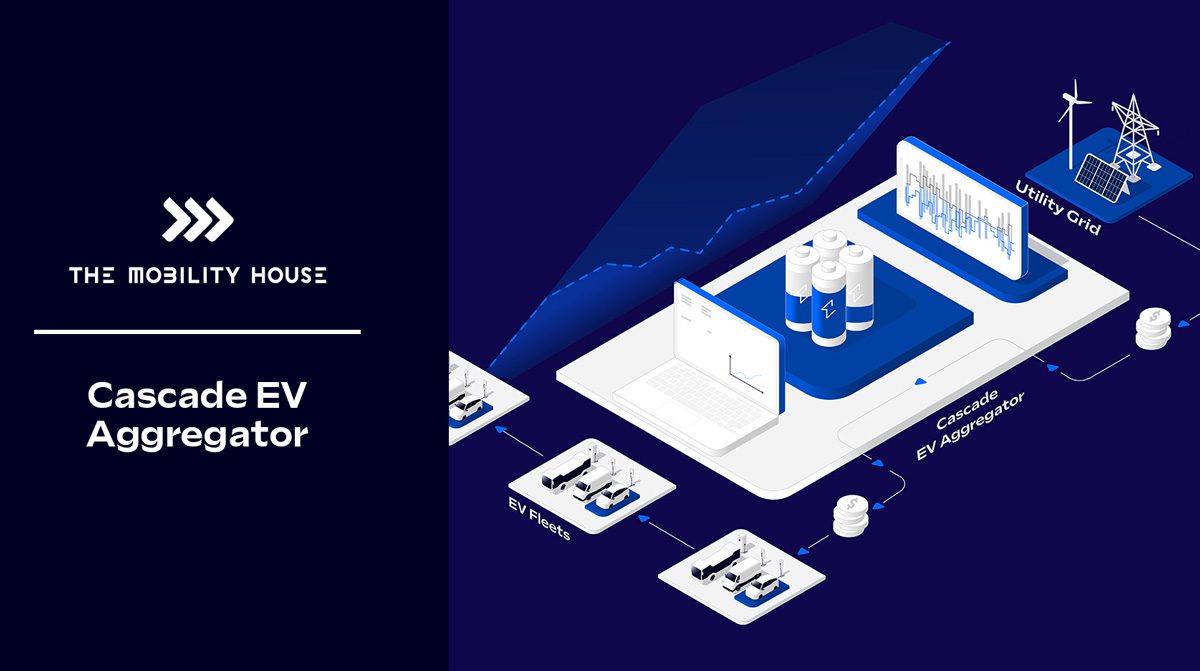
February 8, 2026 — The Mobility House North America has introduced Cascade EV Aggregator, an innovative vehicle-to-grid (V2G) integration platform designed to help utilities manage electricity demand and supply. This new tool allows for the optimization of charging and discharging of electric vehicle (EV) batteries across a wide range of assets, from individual home chargers to large fleets of electric school buses.
Harnessing EV Batteries for Grid Stability
“Electric vehicle batteries can play a substantial role in meeting the tremendous challenge of load growth on the electrical grid,” stated Greg Hintler, CEO of The Mobility House North America. “The Mobility House is committed to developing the technology that harmonizes EV charging with reliable grid operations.”
The potential for EVs to support the grid is significant. A recent report from BNEF forecasts that total EV battery capacity in the US could reach 4 TWh within the next decade, positioning aggregated and optimized EV batteries as the largest Distributed Energy Resource (DER) if properly managed.
How Cascade Enhances Grid Flexibility
The Mobility House’s Cascade platform is engineered to maximize charging flexibility. While charge management systems (CMS) like The Mobility House’s ChargePilot manage charging for individual fleet operators, Cascade can interface with thousands of sites and various CMS to generate crucial flexibility for the distribution grid.
Cascade EV Aggregator empowers EVs to function as energy storage systems, offering valuable services such as demand response, dynamic rate optimization, and grid constraint management. The platform supports both unidirectional smart charging (V1G), which encourages load shifting, and bidirectional V2G capabilities, allowing EV batteries to export power back to the grid. By receiving real-time signals from utilities and market programs, Cascade effectively coordinates charge management systems for EV fleets and residential chargers across a designated service area.

School Bus Fleets Lead V2G Implementation
The capabilities of Cascade are already being demonstrated through V2G features implemented for electric school bus fleets currently operating in California, Massachusetts, and New York.
“The electric school buses in our fleet work hard every day to get students to school safely,” said Ernest Epley, Transportation Director, Fremont Unified School District. “And now as a part of The Mobility House’s Cascade Aggregator they can earn revenue for the district supporting the energy grid while they are parked at the depot.”