
FibreCoat Innovations Drive EV Battery Safety and Performance
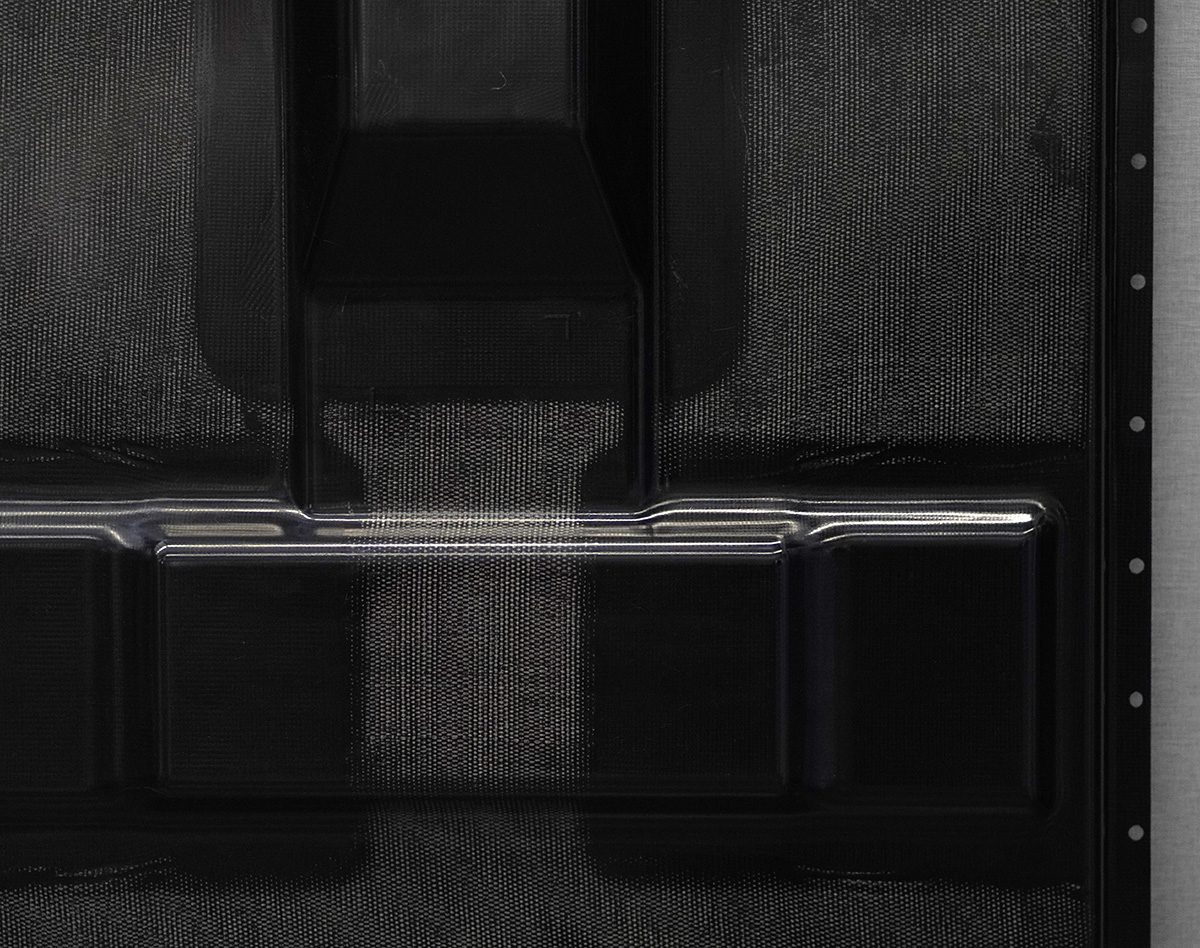
Paris, France – February 27, 2026 – FibreCoat is set to introduce a groundbreaking composite battery case concept for electric vehicles (EVs) at the upcoming JEC World 2026 exhibition in Paris, scheduled for March 10-12. This innovative solution, developed in collaboration with composite manufacturer Coleitec and engineering consultancy Forward Engineering, promises to enhance EV battery safety and efficiency through advanced material integration.
AluCoat Technology at the Core of the New Battery Case
The core of FibreCoat’s new concept lies in its proprietary AluCoat material. This unique aluminum-coated fiber yarn allows for the direct integration of conductive and functional layers within the composite structure. Unlike traditional methods that rely on secondary application of foils, plates, or sprayed coatings, AluCoat embeds these crucial properties directly into the material itself during the manufacturing process.

This material-level approach is designed to offer significant advantages for EV battery casings. Key among these are integrated electromagnetic interference (EMI) shielding, improved fire protection capabilities, and enhanced passive cooling effects. Furthermore, by simplifying the manufacturing process, the technology aims to reduce overall production steps, cut down on complexity, and ultimately lower the carbon footprint associated with battery case production.
Seamless Integration into Advanced Manufacturing Processes
The development involved the production of multiple prototypes utilizing Coleitec’s industrial HP-RTM (high-pressure resin transfer molding) line. This joint development program demonstrated the practical application and benefits of the AluCoat material within a high-volume manufacturing environment.
“During the HP‑RTM production trials, we saw how AluCoat integrates smoothly into established composite processes while adding real functional value,” stated Bin Wei, CTO at Coleitec. “Achieving this level of functionality without changing the existing production process makes AluCoat a very strong candidate for broader industrial adoption.”
The HP-RTM process is known for its ability to produce complex composite parts with high precision and consistency. By incorporating AluCoat yarn into this established method, FibreCoat and Coleitec have successfully created a battery case component that not only meets stringent performance requirements but also streamlines production.
Enhanced Safety and Thermal Management for EV Batteries
The integrated EMI shielding provided by the aluminum coating is crucial for protecting sensitive EV battery electronics from external electromagnetic disturbances. This can contribute to more reliable system operation and prevent performance degradation.
Additionally, the inherent conductivity of the AluCoat material offers pathways for heat dissipation. This passive cooling effect can help manage the operating temperature of the battery pack, which is vital for performance, longevity, and safety, especially under demanding driving conditions or fast charging cycles.
Fire protection is another critical aspect addressed by this technology. Composite materials are already known for their lightweight and strength advantages, but the integration of conductive layers could further enhance their performance in mitigating thermal runaway events. While the article does not specify the exact mechanisms, the inherent properties of coated fibers in a composite matrix can play a role in resisting flame propagation and managing heat.
Reducing Complexity and Environmental Impact
The ‘material-level’ integration of functional properties is a key differentiator for FibreCoat’s AluCoat technology. By weaving the aluminum-coated fibers directly into the fabric that forms the composite structure, manufacturers can eliminate multiple post-processing steps. This simplification of the manufacturing chain leads to reduced labor, less energy consumption, and a decrease in waste materials.
The resulting reduction in production complexity translates into potential cost savings for EV manufacturers. As the automotive industry rapidly scales up EV production, efficient and cost-effective manufacturing processes are paramount. FibreCoat’s solution appears well-positioned to address these needs.
The company also highlights a reduced carbon footprint as a benefit. By optimizing the manufacturing process and potentially using lighter-weight composite materials, the overall environmental impact of producing EV battery cases can be significantly diminished, aligning with the sustainability goals of the automotive sector.
Broader Implications for the Electric Vehicle Market
The unveiling of this advanced composite battery case concept at JEC World 2026, a premier global event for the composites industry, underscores the growing importance of material innovation in the electric vehicle sector. As battery technology continues to evolve, the demand for safer, lighter, and more efficient structural components like battery casings will only increase.
FibreCoat’s AluCoat technology offers a promising pathway towards meeting these demands. The successful integration into Coleitec’s HP-RTM process suggests a high degree of readiness for industrial application. Industry observers will be keen to see the further development and adoption of this technology as EV manufacturers strive to push the boundaries of performance, safety, and sustainability.
The collaboration between FibreCoat, Coleitec, and Forward Engineering exemplifies the cross-industry partnerships necessary to drive innovation in the rapidly developing field of electric mobility. The focus on functional materials integrated directly into structural components points towards a future where EV batteries are not only power sources but also highly engineered, multi-functional systems.
Tags: EV Batteries