
Key Takeaways
- The Toyota bZ sold 10,029 units in Q1 2026, marking a significant 79% year-over-year increase.
- This performance positions the Toyota bZ as America’s top-selling electric vehicle outside of Tesla for the first quarter.
- Toyota achieved this milestone despite a 28% overall decline in U.S. EV sales during the same period.
- Strategic factors include aggressive pricing incentives, a comprehensive 2026 model year refresh with enhanced range and a lower base price, and leveraging Toyota’s long-standing brand reputation for reliability.
- With three new electric models slated for 2026, Toyota aims to solidify its position as a major player in the evolving EV landscape.
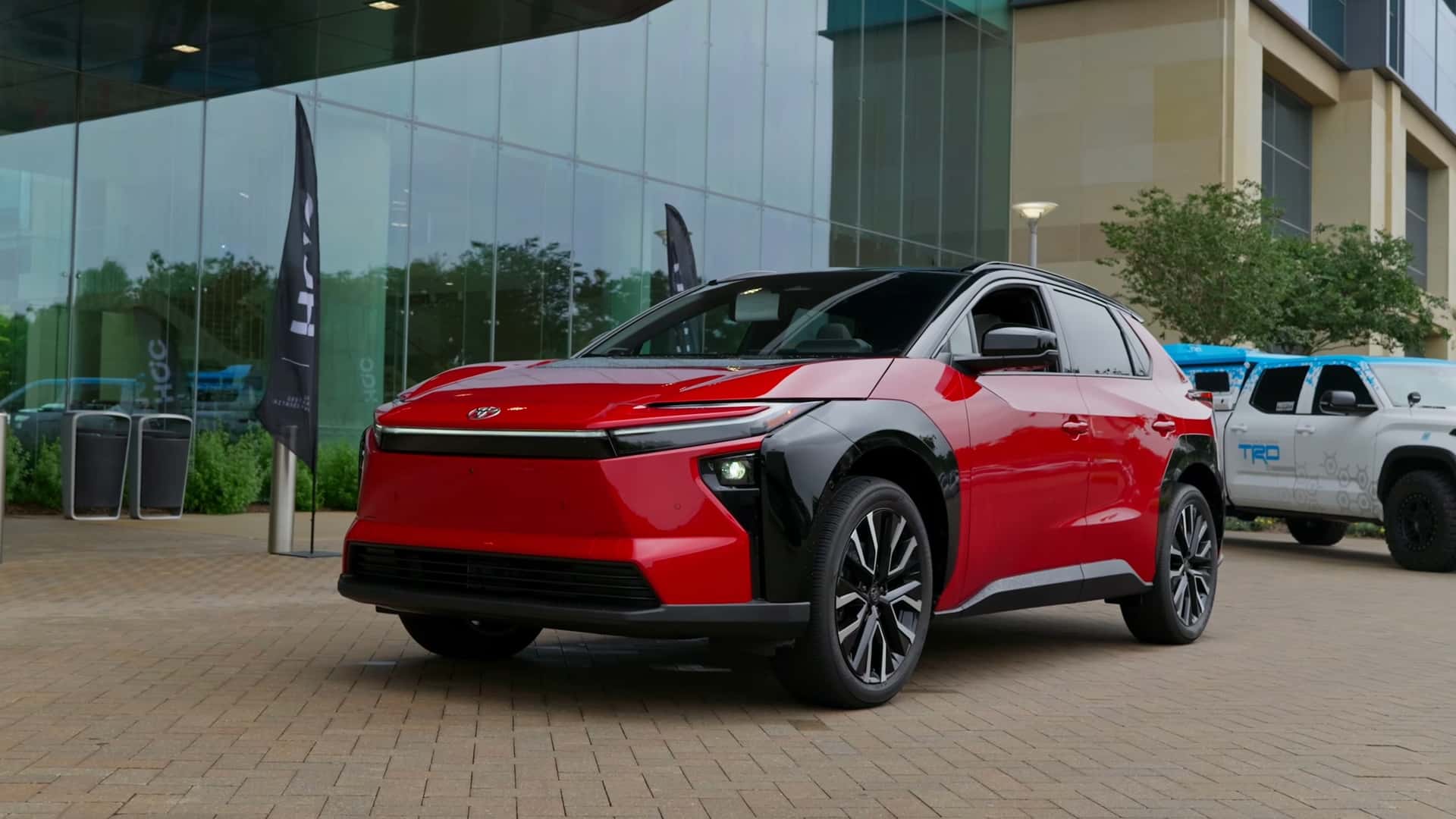
After a period perceived by some as hesitation in embracing electric vehicle technology, Toyota has unexpectedly surged into a leading position within the U.S. EV market. The Toyota bZ crossover is on track to become the country’s best-selling electric vehicle not manufactured by Tesla for the first quarter of 2026, signaling a significant shift in the automotive landscape.
The Japanese automaker reported an impressive 10,029 units of the Toyota bZ sold between January and March, representing a substantial 79% increase compared to the corresponding period last year. This robust performance, combined with the anticipated launch of three new electric models in 2026, effectively transforms Toyota from a perceived laggard into a formidable contender in the rapidly evolving electric vehicle segment.
Industry analysts are closely monitoring Toyota’s trajectory. Stephanie Valdez Streaty, director of industry insights at Cox Automotive, highlighted the brand’s potential, stating, "That’s one brand I’m going to watch in the next six months."
Outperforming Key Competitors
While some manufacturers have yet to release their complete first-quarter sales data, current figures strongly indicate the Toyota bZ’s dominance. The crossover has effectively surpassed established models that typically vie for top spots in America’s EV sales charts, excluding the ever-present Tesla models.
For instance, Ford’s Mustang Mach-E recorded sales of 4,600 units from January through March, reflecting a notable 60% decline year-over-year. Hyundai’s Ioniq 5, a consistent performer, saw 9,790 units sold, marking a 14% increase over Q1 2025. The Chevrolet Equinox EV, which held the "best of the rest" title last year behind the Tesla Model Y and Model 3, also performed creditably but fell short with 9,589 units, ceding its crown to the Toyota bZ.

It is important to note that Tesla, which does not publicly disclose U.S.-specific sales figures, undoubtedly saw its Model Y and Model 3 operating in a different sales magnitude altogether, far exceeding these numbers.
Contrasting Trends in a Challenging Market
The remarkable success of the Toyota bZ occurs within a broader context of decelerating electric vehicle adoption in the United States. Cox Automotive’s estimates reveal a 28% decline in overall U.S. EV sales during the first quarter, with approximately 213,000 vehicles sold, down from nearly 300,000 in the same quarter last year.
This downturn has led many automotive companies to reassess or even scale back their electric vehicle development plans. Factors contributing to this industry-wide slowdown include the implementation of looser environmental regulations and the premature discontinuation of the federal EV tax credit, which previously incentivized consumer purchases.
Consequently, the electric vehicle’s share of the total U.S. car market contracted to 5.8% in Q1 2026, representing a two-percentage-point decrease compared to the previous year. This market contraction underscores the Toyota bZ’s achievement, demonstrating its ability to gain significant traction despite headwinds facing the broader EV sector.
Strategic Pricing and Product Refinements
Toyota’s impressive sales growth for the Toyota bZ is not solely organic; it is also a result of deliberate strategic choices. The company has actively employed aggressive pricing incentives to stimulate demand and capture a larger market share. According to data from Cox Automotive, Toyota bZs were being sold with incentives equivalent to 30% of their average transaction price in February 2026, significantly higher than the industry-wide EV average of 14.2% for the same month.
Valdez Streaty affirmed this strategic approach, noting, "I think that’s their strategy: We want to buy share. And it’s working." A Toyota spokesperson elaborated on this market-responsive approach, stating, "We adjust our pricing structure for each of our models based on market conditions, vehicle content, and the competitive landscape."
Beyond pricing, the 2026 model year Toyota bZ received a comprehensive overhaul, enhancing its appeal and performance. Toyota significantly reduced the price of the base model by over $2,000, bringing its pre-discount price down to $36,350. Furthermore, the maximum range was substantially increased to a respectable 314 miles from its previous 252 miles, a crucial improvement offered without a significant price adjustment for that particular model.
While these improvements are substantial, the Toyota bZ, like all vehicles, has areas for refinement. Industry observers, including InsideEVs, have pointed out the continued absence of features such as one-pedal driving and integrated route planning, capabilities often expected in modern electric vehicles.
The Enduring Power of the Toyota Brand
A pivotal factor contributing to the Toyota bZ’s unexpected success is the unwavering strength and reputation of the Toyota brand itself. Despite criticisms from hardcore EV enthusiasts regarding Toyota’s perceived delay in fully embracing electric vehicles—and the initial arrival of the bZ4X (as it was previously known) with specifications and missing features that lagged competitors—the brand’s "halo effect" remains potent.
Many American consumers continue to place high trust in Toyota for producing reliable, well-priced vehicles. This deep-seated brand loyalty is evident in market research; Cox Automotive polls conducted last year consistently showed that Toyota was the top brand Americans would choose to purchase an EV from. This strong foundation of consumer confidence provides a distinct advantage, allowing Toyota to convert its brand equity into EV sales.
Looking Ahead: Toyota’s Electrified Future
With a revamped Toyota bZ now successfully capturing significant market share and leveraging its established brand appeal, Toyota is poised for a transformative year. The introduction of the bZ Woodland, C-HR, and the highly anticipated Highlander EV models throughout 2026 will further diversify Toyota’s electric vehicle offerings.
This expansion strategy allows Toyota to cater to a broader spectrum of consumer preferences and needs, meeting buyers where they are in their journey towards electric mobility. Regardless of its initial pace in the EV race, Toyota’s robust start to 2026 and its expanded portfolio suggest a very promising trajectory for the company’s electric vehicle ambitions.
As the automotive industry continues its pivot towards electrification, Toyota’s ability to quickly adapt and capture market leadership in a challenging environment demonstrates its resilience and strategic acumen. The Toyota bZ’s performance serves as a clear indicator that traditional automotive giants, when committed, can rapidly ascend to prominence in the electric vehicle domain.
FAQ
What were Toyota bZ’s sales figures for Q1 2026?
The Toyota bZ sold an impressive 10,029 units in the first quarter of 2026. This figure represents a significant 79% increase compared to sales during the same period in the previous year, highlighting strong consumer interest and market acceptance.
How did the Toyota bZ perform against other non-Tesla EVs in Q1 2026?
The Toyota bZ emerged as the top-selling electric vehicle in the United States, excluding Tesla models, for Q1 2026. It surpassed notable competitors like the Ford Mustang Mach-E (4,600 units), Hyundai Ioniq 5 (9,790 units), and Chevrolet Equinox EV (9,589 units).
What factors contributed to the Toyota bZ’s success in Q1 2026?
Several factors contributed, including aggressive pricing incentives (30% of transaction price), a comprehensive 2026 model year update with increased range (314 miles) and a lower base price ($36,350), and the strong, trustworthy reputation of the Toyota brand among consumers.
What was the overall trend for U.S. EV sales in Q1 2026?
Contrary to Toyota’s success, overall U.S. EV sales experienced a 28% decline in Q1 2026, totaling around 213,000 vehicles. The electric vehicle market share also dropped to 5.8%, influenced by looser environmental regulations and the end of federal tax credits.
Are there new Toyota EV models expected in 2026?
Yes, Toyota plans to introduce three new electric models in 2026. These include the Toyota bZ Woodland, C-HR, and an upcoming Highlander EV, signaling a strategic expansion of its electric vehicle lineup to meet diverse market demands.
Did the Toyota bZ receive any significant updates for the 2026 model year?
Indeed, the 2026 Toyota bZ underwent a substantial makeover. Key improvements include a price reduction of over $2,000 for the base model and an increased maximum range, boosting it from a previous 252 miles to a more competitive 314 miles, enhancing its market appeal.