
Key Takeaways:
- Siemens has launched advanced 3D electrical design capabilities for its Capital software, streamlining the integration of wiring design and physical harness routing.
- This new development establishes a unified, model-based environment, connecting Capital with Designcenter product engineering software and the Teamcenter PLM platform.
- The integration facilitates concurrent engineering, allowing electrical and mechanical teams to collaborate in a shared 3D context from the outset.
- A primary objective is to enable early resolution of conflicts between electrical routing intent and physical packaging constraints, which traditionally emerge late in the product development cycle and incur high costs.
- The updated suite also incorporates AI-assisted harness development, though specific functional details of the AI were not provided by Siemens.
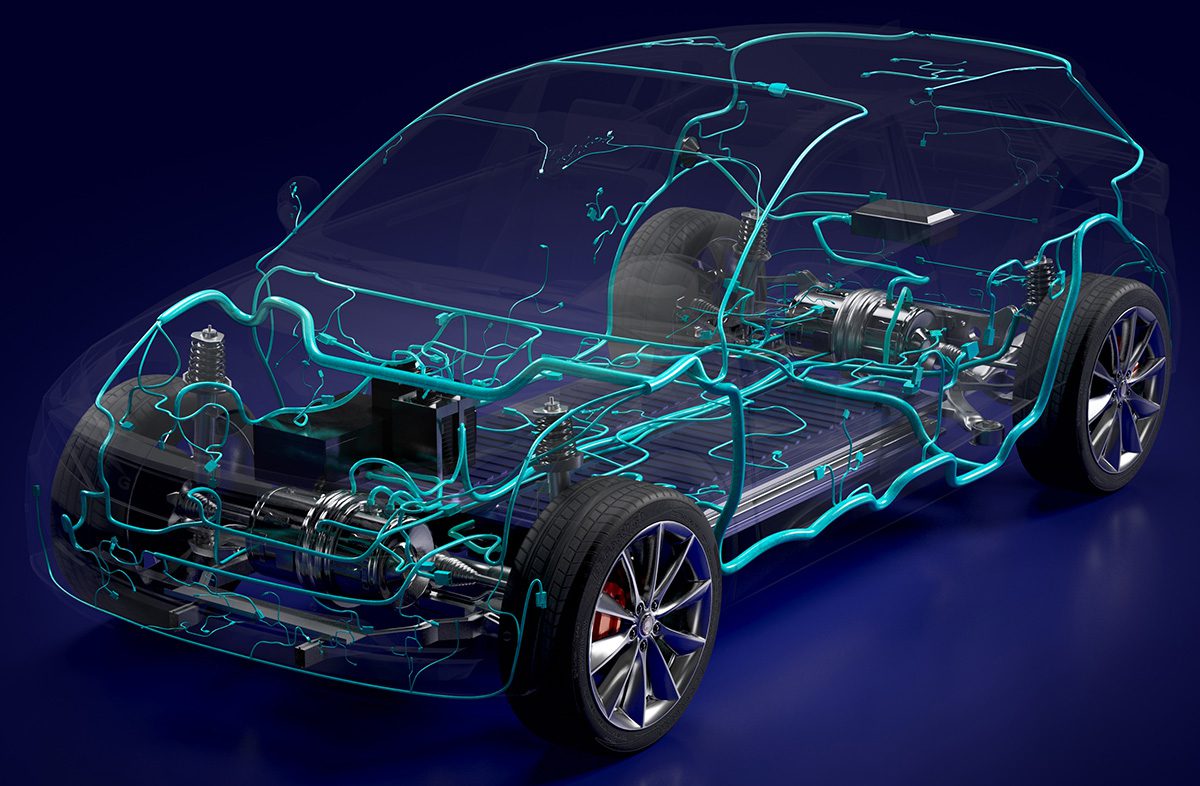
Siemens has announced significant enhancements to its Capital software, introducing new 3D electrical design capabilities that promise to transform the product development landscape. This pivotal update integrates wiring design and physical harness routing into a single, cohesive, model-based environment. The integration extends across Siemens’ Capital software, its Designcenter product engineering software, and the Teamcenter Product Lifecycle Management (PLM) platform, marking a strategic move towards a more synchronized design ecosystem.

The core innovation lies in enabling electrical and mechanical engineers to work concurrently within the same 3D context. This eliminates the traditional reliance on passing files between often disconnected Electronic Computer-AAided Design (ECAD) and Mechanical Computer-Aided Design (MCAD) tools. Such a unified approach is poised to revolutionize how complex products, particularly those with intricate electrical systems like modern vehicles, are designed and brought to market.
Addressing Late-Stage Design Conflicts
The challenges addressed by this Siemens Capital integration are well-recognized across industries involved in manufacturing electrically complex products. A persistent issue has been the late emergence of conflicts between intended electrical routing paths and the physical packaging constraints within a product. These conflicts typically surface after surrounding subsystems and components have already been solidified in their designs.
At such advanced stages of product development, resolving these design discrepancies becomes inherently expensive and time-consuming. It often necessitates costly redesigns, retooling, and delays in product launch. The traditional sequential workflow, where electrical and mechanical designs progress largely independently before being merged, exacerbates this problem by postponing conflict detection.

Siemens asserts that by providing a shared 3D environment, the early resolution of these critical conflicts becomes not just theoretically desirable but operationally feasible. This proactive approach allows design teams to identify and address potential issues when they are still relatively inexpensive to fix, rather than allowing them to escalate into major project hurdles.
The Power of Concurrent Engineering in a Shared 3D Context
The newly integrated capabilities foster true concurrent engineering. In a disconnected workflow, electrical engineers might design wiring harnesses based on electrical schematics, while mechanical engineers simultaneously define the physical layout and space constraints. When these separate designs are finally merged, inconsistencies invariably arise.
A shared 3D context, powered by the Siemens Capital integration, means both electrical and mechanical teams are viewing and manipulating the same digital twin of the product. This real-time visibility allows immediate detection of clashes, such as a wire harness infringing on a mechanical component’s space, or insufficient clearance for routing. Engineers can then collaborate instantly to find optimal solutions, making adjustments iteratively and collaboratively.
This paradigm shift from sequential handoffs to simultaneous collaboration significantly accelerates the design cycle. It reduces the need for multiple design iterations, cuts down on prototype builds for validation, and minimizes the risk of costly rework. For industries like automotive, where electrical systems are rapidly growing in complexity, such an integrated approach is indispensable.
Integration Across Siemens’ Digital Ecosystem
The new capabilities signify a deeper integration across Siemens Digital Industries Software’s extensive portfolio. Capital, a leading solution for electrical system and wire harness design, now works seamlessly with Designcenter, which supports product engineering activities, and Teamcenter, Siemens’ comprehensive Product Lifecycle Management (PLM) platform.
Teamcenter acts as the digital backbone, managing all product data and processes throughout the entire lifecycle, from ideation to manufacturing and service. This ensures that all design information, including electrical and mechanical data, is centrally managed, version-controlled, and accessible to relevant stakeholders. This unified data environment is crucial for maintaining a consistent digital thread across the entire product development process.
The tight coupling of these platforms means that changes made in one area, for instance, a modification to a mechanical enclosure, can immediately reflect and trigger necessary adjustments in the electrical harness routing within the same shared 3D model. This holistic view minimizes errors and ensures that the final product design is fully optimized across all disciplines.
AI-Assisted Harness Development: A Glimpse into the Future
Adding another layer of sophistication, the new capabilities also include AI-assisted harness development. While Siemens did not provide specific details on how the Artificial Intelligence functions within the updated suite, the inclusion of AI signals a forward-looking approach to design automation and optimization.
Generally, AI in design tools can aid in various aspects, such as automatically suggesting optimal routing paths based on predefined constraints, identifying potential manufacturing issues, or even generating design alternatives to meet specific performance or cost targets. The application of AI in this context aims to further reduce manual effort, enhance design quality, and shorten development cycles by providing intelligent insights and automation.
The specifics of Siemens’ AI implementation will undoubtedly be a point of interest for engineers and product developers keen to leverage cutting-edge technologies for more efficient and robust designs. This integration of AI underscores the industry trend towards smarter, more automated design processes.
Industry Validation and Future Implications
The importance of such an integrated approach is echoed by industry experts. Chad Jackson, CEO and chief analyst at Lifecycle Insights, emphasized the critical nature of early conflict resolution. “Cross-disciplinary conflicts between electrical and mechanical teams are relatively inexpensive to resolve early and increasingly painful to resolve late,” Jackson stated. He further highlighted the pivotal role of the new integration, adding, “A shared 3D context that connects electrical and mechanical engineers from the start of harness design is what makes early resolution operationally possible.”
This expert endorsement reinforces the strategic value of Siemens’ latest offering. For industries like automotive, aerospace, and industrial machinery, where product complexity, driven by electrification and advanced functionalities, continues to soar, such integrated design environments are becoming a necessity rather than a luxury.
While specific pricing details or customer examples for the new integration were not disclosed at the time of the announcement, the strategic implications are clear. The Siemens Capital integration represents a significant step towards enabling companies to manage the increasing complexity of product development, accelerate innovation, and deliver higher-quality products to market more efficiently.
By fostering a truly collaborative and model-based design environment, Siemens is empowering engineering teams to overcome traditional silos, mitigate risks earlier, and achieve new levels of efficiency in the design of electrically complex systems.
Frequently Asked Questions (FAQ)
What is the primary benefit of the new Siemens Capital integration?
The main benefit is the seamless integration of wiring design and physical harness routing into a single workflow. This enables electrical and mechanical engineers to work concurrently in a shared 3D environment, addressing design conflicts much earlier in the product development cycle, thereby reducing costs and accelerating time-to-market.
Which Siemens software platforms are part of this new integration?
The new capabilities integrate Siemens’ Capital software for electrical design, Designcenter for product engineering, and Teamcenter for Product Lifecycle Management (PLM). This creates a comprehensive, interconnected ecosystem for managing all aspects of product design and development.
How does a shared 3D environment improve the design process?
A shared 3D environment allows electrical and mechanical teams to visualize and interact with the same digital model simultaneously. This real-time collaboration helps in immediately identifying and resolving potential clashes between electrical routing and physical packaging constraints, preventing expensive redesigns late in the development stage.
Does the new integration feature Artificial Intelligence?
Yes, the updated capabilities include AI-assisted harness development. However, Siemens has not yet provided specific details regarding how these AI functions operate within the software suite. The AI aims to further streamline and optimize the design process.
What problem does this Siemens Capital integration specifically address?
It addresses the common problem of design conflicts between electrical routing intent and physical packaging constraints emerging late in the product development lifecycle. Such late-stage conflicts are costly and time-consuming to resolve, a challenge mitigated by the new integrated, concurrent engineering approach.
Why is early resolution of design conflicts important?
According to experts like Chad Jackson of Lifecycle Insights, resolving cross-disciplinary conflicts between electrical and mechanical teams is significantly less expensive and less painful when addressed early. Postponing these resolutions can lead to substantial financial burdens and project delays, making early detection and resolution crucial for efficiency.
Is this integration relevant for all industries?
While particularly beneficial for industries dealing with highly complex electrical systems, such as automotive, aerospace, and industrial machinery, any sector developing products with integrated electrical and mechanical components can leverage this integration to improve design efficiency, reduce errors, and accelerate product launches.