
Key Takeaways
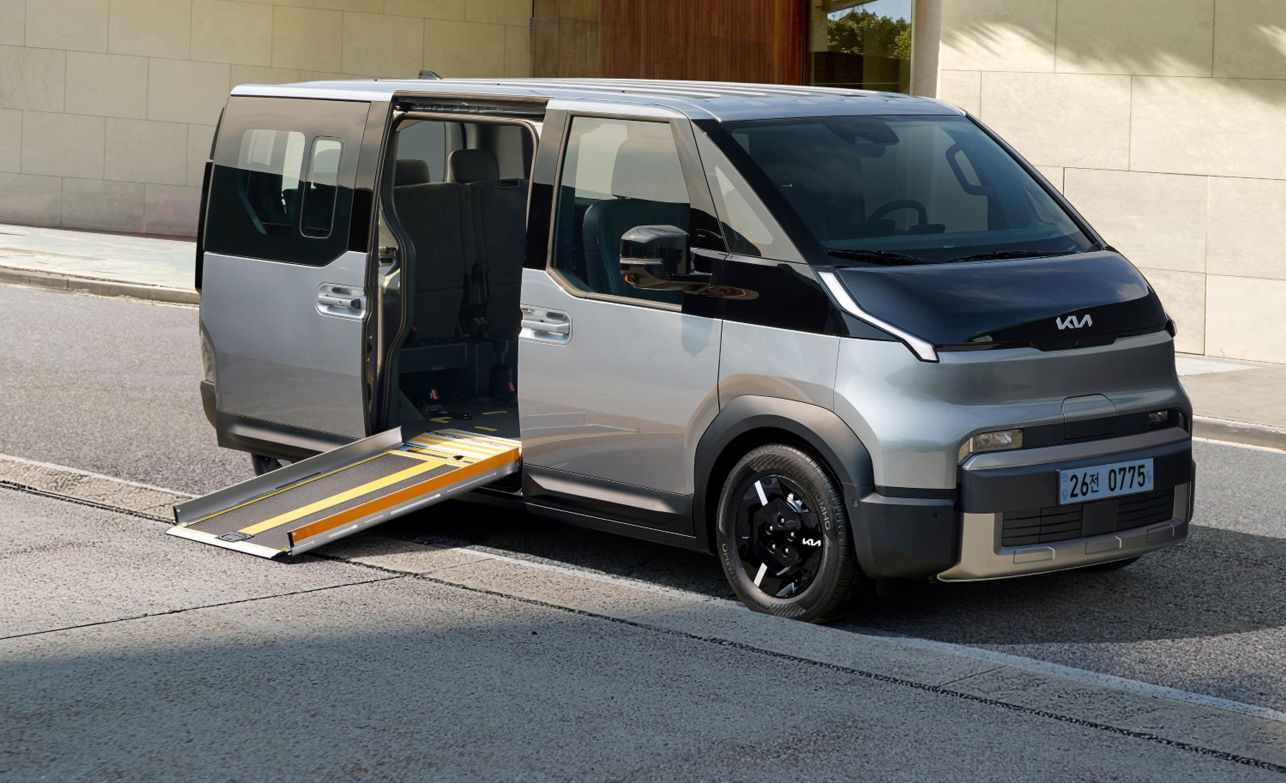
- Kia has introduced an innovative factory-option wheelchair-accessible solution for its PV5 electric van.
- The system features a unique side-entry design, directly addressing common issues associated with traditional rear-entry conversions, such as restricted access due to parking.
- This solution, showcased at the Motability Scheme Live exhibition in Birmingham, UK, is optimized for urban mobility, including private transport, taxi services, and shuttle operations.
- It overcomes typical challenges posed by electric vehicles, where underfloor batteries often prevent easy modification for ramps or floor lowering.
- Initially launching in European and UK markets, there is anticipation for its availability in Australia once the PV5 electric van arrives later this year.
Kia has unveiled a significant advancement in inclusive urban mobility, showcasing an innovative factory-option wheelchair accessible solution for its forthcoming PV5 electric van. This development directly addresses the long-standing challenges associated with retrofitting vehicles for accessibility, particularly within the evolving landscape of electric transport.
The pioneering system was recently presented at the Motability Scheme Live exhibition in Birmingham, UK. Its debut marks a crucial step forward for individuals requiring wheelchair access, offering a purpose-built solution that integrates seamlessly with the vehicle’s design.

Addressing Accessibility Challenges in Electric Vehicles
The integration of wheelchair accessibility in vehicles has historically presented complex engineering challenges. Traditional methods often involve extensive modifications to the vehicle’s structure, which can be costly and time-consuming.
Electric vehicles, while offering numerous benefits, introduce a unique set of hurdles for such conversions. The placement of large battery packs beneath the vehicle’s floor often precludes several common retrofitting options.
For instance, the space typically used to stow a retractable ramp is often occupied by battery components. Furthermore, modifying or lowering the floor, a common technique for increasing interior head height or reducing ramp angles, becomes significantly more difficult, if not impossible, due to the critical structural and electrical components housed in that area.

These inherent design constraints necessitate innovative thinking to ensure electric vehicles can also serve the needs of the accessible transport market.
The Innovative Side-Entry Solution
Kia’s new factory-option for the PV5 electric van stands out due to its ingenious side-entry system. This design represents a strategic departure from the more common rear-entry conversions, which were also showcased by various ‘Kia approved’ UK converters at the same exhibition.
The side-entry mechanism incorporates a unique ‘twist’—literally, a 90-degree pivot—to facilitate easy and safe access. This approach effectively circumvents several persistent problems encountered with rear-entry systems.
One primary advantage is the elimination of issues arising from other vehicles parking too closely to the rear of the van, which can often prevent a wheelchair user from re-entering or exiting. Moreover, a side-entry system can offer a more practical solution for navigating kerbs, allowing for smoother transitions from the vehicle to the pavement without requiring complex manoeuvres or additional assistive devices.
This thoughtful design underscores Kia’s commitment to creating user-centric solutions that enhance independence and convenience for wheelchair users in daily urban environments.
Optimised for Urban Mobility
The layout and functionality of this new wheelchair-accessible option are specifically tailored for diverse urban mobility use cases. Its design makes it an ideal choice for private transport, offering a comfortable and efficient solution for families and individuals.
Beyond personal use, the Kia PV5 electric van with this innovative feature is well-suited for professional applications. It is envisioned to play a significant role in taxi services, providing an accessible and environmentally friendly option for passengers with mobility needs.
Additionally, its configuration makes it highly suitable for shuttle operations, whether for corporate campuses, healthcare facilities, or tourism, ensuring that accessible transport is readily available across various sectors.
This strategic focus on urban environments highlights the growing demand for versatile, accessible, and sustainable transport solutions in densely populated areas.
Market Rollout and Future Prospects
Initially, Kia plans to offer this groundbreaking wheelchair-accessible option within the European and UK markets. This targeted rollout allows for a focused introduction and integration into regions with established accessible transport networks and regulatory frameworks.
However, there is considerable hope and anticipation that this innovative solution will eventually extend to other global markets. Specifically, there is keen interest for the option to be made available in Australia, particularly as the Kia PV5 electric van itself is scheduled for release in the latter half of this year in the Australian market.
The availability of a factory-fitted solution, rather than relying solely on aftermarket conversions, is a crucial differentiator. Factory integration ensures that the accessibility features are designed and tested to the highest standards, maintaining vehicle integrity, safety, and warranty provisions.
As electric vehicle adoption continues to accelerate worldwide, the introduction of purpose-built accessible options like the Kia PV5 electric van’s side-entry system is vital for ensuring that the transition to sustainable transport is truly inclusive.
FAQ Section
What is the key innovation in Kia’s new PV5 electric van accessibility option?
The primary innovation is a factory-option side-entry system for wheelchair users. This unique design provides a 90-degree pivot, offering a practical alternative to traditional rear-entry conversions and addressing their common drawbacks.
Why is a side-entry system beneficial for wheelchair users?
A side-entry system eliminates common problems like vehicles parking too close to the rear, which can block access. It also offers a more convenient way to navigate kerbs, improving the overall ease of entry and exit for wheelchair users.
What challenges do electric vehicles typically present for wheelchair accessibility modifications?
Electric vehicles often have their batteries mounted below the floor. This placement can prevent the easy installation of retractable ramps and makes it difficult to modify or lower the vehicle’s floor for increased headroom or reduced ramp angles.
Where was this new accessibility feature for the Kia PV5 electric van first showcased?
Kia first showcased this innovative wheelchair-accessible solution for their PV5 electric van at the Motability Scheme Live exhibition, which took place in Birmingham, United Kingdom.
What specific applications is the Kia PV5 electric van’s accessible option designed for?
The layout is specifically optimized for various urban mobility use cases. These include private transport for individuals and families, dedicated taxi services for accessible travel, and shuttle operations for corporate, healthcare, or public transport needs.
When and where will this accessible Kia PV5 electric van option be available?
The option will initially be offered in the European and UK markets. There is an expectation and hope for it to become available in Australia once the PV5 electric van launches there in the latter half of this year.