
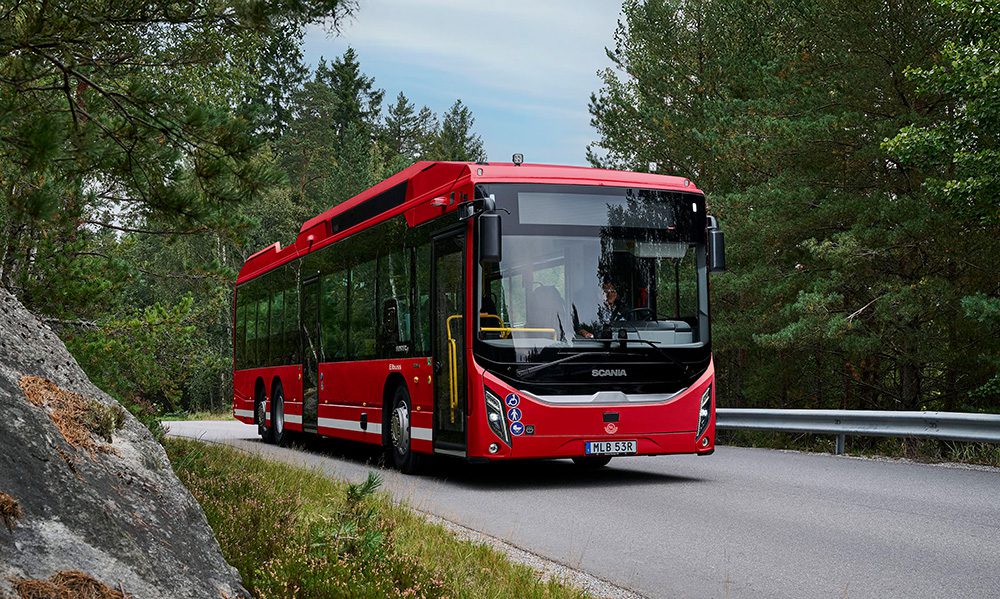
Key Takeaways:
- Swedish transport operator VR has placed a significant order for 91 Scania battery-electric buses.
- These state-of-the-art Fencer f1 BEV buses are set to commence service in the Södertälje area by June 2027.
- The order comprises both 4×2 (32 units) and 6×2 (59 units) configurations, each boasting a substantial 445 kWh battery capacity.
- The comprehensive agreement includes not only vehicle delivery but also development, planning, service, and long-term support from Scania.
- This investment underscores a strong commitment to reducing local emissions and enhancing public transport infrastructure in Sweden.
Swedish Public Transport Sector Embraces Electrification
In a significant stride towards sustainable urban mobility, VR Sweden, a prominent transport operator in the Nordic region, has confirmed a substantial order for 91 battery-electric buses from Swedish automotive giant Scania. This landmark procurement signals a robust commitment to electrifying public transport networks, promising a future of cleaner, quieter, and more efficient urban travel.

The new fleet of Scania electric buses, specifically the Fencer f1 BEV models, is slated for deployment starting in June 2027. These cutting-edge vehicles will primarily serve routes within the Södertälje area, a region that holds particular significance as the global headquarters and primary production hub for Scania.
Advanced Technology Powering the New Fleet
The Fencer f1 BEV buses represent the pinnacle of Scania’s battery-electric bus platform, developed and manufactured within Europe. This platform emphasizes reliability, operational efficiency, and environmental responsibility. The order details reveal a diverse composition designed to meet varied operational demands across the network.
A total of 32 units will feature a 4×2 configuration, known for its agility and suitability for diverse urban routes. Complementing these, 59 units will be in a 6×2 configuration, offering increased passenger capacity and stability, ideal for higher-demand corridors. Each of these Scania electric buses is equipped with an impressive 445 kWh of battery capacity, ensuring ample range and performance for demanding daily operations without frequent recharging.

Strategic Partnership Extends Beyond Vehicle Delivery
The collaboration between VR Sweden and Scania transcends a mere transaction. The agreement encompasses a holistic approach to fleet integration and long-term operational success. This includes crucial phases of development and planning, ensuring a seamless transition and optimized deployment of the new electric fleet.
Furthermore, the partnership explicitly outlines comprehensive vehicle service and long-term support from Scania, underscoring a commitment to reliability and sustained performance throughout the operational lifespan of the Scania electric buses. This integrated support model is vital for maintaining high service levels in public transport.
Driving Environmental Benefits and Operational Excellence
The integration of 91 Scania electric buses into VR Sweden’s fleet is poised to deliver substantial environmental and operational benefits. Electrified public transport is a cornerstone of modern urban planning, directly contributing to improved air quality and reduced noise pollution in residential areas. These benefits translate into a better quality of life for citizens.
Anders Frykman, Bus Director at VR Sweden, articulated the strategic importance of this investment: “The investment is an important step in the transition to electrified public transport and enables reduced local emissions, while ensuring attractive and reliable traffic for passengers as well as a good working environment for drivers and maintenance personnel.” This statement highlights the multi-faceted positive impact expected from the fleet upgrade.
Scania’s Commitment to Sustainable Solutions
For Scania, this significant order reinforces its position as a leader in sustainable transport solutions. The company’s focus on developing and producing advanced battery-electric vehicles in Europe, coupled with its close collaboration with operators like VR Sweden, showcases a proactive approach to the evolving landscape of global transport.
Christopher Svensson, Key Account Manager at Scania Sweden, emphasized the localized strength of this endeavor: “With development and battery assembly in Södertälje, and close cooperation throughout the process, we will offer a solution that is both robust and sustainable.” This local expertise ensures tailored solutions and a strong commitment to quality and environmental stewardship in every Scania electric bus.
The Broader Context of Electromobility in Europe
This major order for Scania electric buses is indicative of a wider trend sweeping across Europe, where cities and regions are increasingly prioritizing sustainable transport solutions. Governments and transport authorities are setting ambitious targets for decarbonization, making electric buses a cornerstone of urban public transport strategies.
Sweden, in particular, has been at the forefront of adopting green technologies, driven by strong environmental policies and a societal commitment to sustainability. Investments in large-scale electric bus fleets, coupled with the necessary charging infrastructure development, are crucial steps towards achieving climate neutrality in the transport sector. This move by VR Sweden and Scania aligns perfectly with these national and regional aspirations.
Impact on the Södertälje Community and Beyond
The decision to deploy the new Scania electric buses in the Södertälje area creates a powerful synergy. As the home of Scania’s major production and development facilities, Södertälje will become a living showcase for the company’s advanced electric vehicle technology. This not only offers practical benefits to local commuters but also serves as a visible demonstration of the region’s commitment to innovation and sustainability.
Beyond Södertälje, the success of this deployment can serve as a model for other municipalities and transport operators looking to transition their fleets. The comprehensive nature of the agreement, including long-term support, sets a precedent for how manufacturers and operators can collaborate effectively to accelerate the adoption of electric public transport solutions across the continent.
Operational Readiness and Future Outlook
With the Scania electric buses scheduled to enter service in June 2027, VR Sweden has ample time to prepare its operational infrastructure. This includes planning for charging depots, driver training, and maintenance protocols tailored for electric vehicles. The foresight in the agreement, which covers development and planning, will be instrumental in ensuring a smooth and successful rollout.
This investment marks a pivotal moment for VR Sweden, cementing its role in fostering modern, environmentally conscious public transport. It also underscores Scania’s continuous innovation in the heavy vehicle sector, further solidifying its reputation for delivering robust and sustainable transport solutions globally. The future of urban mobility in Sweden is undeniably electric, and this order is a significant step on that path.
Frequently Asked Questions (FAQ)
What is the total number of Scania electric buses ordered by VR Sweden?
VR Sweden has placed an order for a total of 91 Scania battery-electric buses. This significant procurement highlights the operator’s commitment to modernizing its fleet and transitioning towards more sustainable public transport solutions in the region, particularly within the Södertälje area.
When are the new Scania electric buses expected to begin service?
The new fleet of Scania electric buses is scheduled to go into service starting in June 2027. This timeline allows for comprehensive planning, infrastructure development, and necessary operational adjustments to ensure a smooth and efficient launch of the electrified routes.
What are the technical specifications of these new Scania electric buses?
The order includes 32 units with a 4×2 configuration and 59 units with a 6×2 configuration. All 91 Scania electric buses are based on the advanced Fencer f1 BEV platform and feature a substantial 445 kWh battery capacity, designed for optimal performance and range in urban environments.
What does the agreement between VR Sweden and Scania include?
The comprehensive agreement extends beyond just the delivery of the vehicles. It encompasses crucial aspects such as development and planning, ensuring optimal integration and operation. Additionally, it includes essential vehicle service and long-term support from Scania, guaranteeing reliability and sustained performance of the electric bus fleet.
What are the main benefits of this investment in Scania electric buses?
This investment is a significant step towards achieving reduced local emissions, contributing to cleaner air and quieter cities. It also aims to ensure attractive and reliable traffic services for passengers while providing a superior working environment for drivers and maintenance personnel, enhancing overall public transport quality.