

Key Takeaways: GM’s Strategic Energy Evolution
General Motors (GM), America’s largest automaker by sales, is strategically expanding its focus beyond traditional vehicle manufacturing to become a significant player in the energy sector. This ambitious pivot involves substantial investments in next-generation battery technology, particularly sodium-ion cells, and the widespread integration of vehicle-to-grid (V2G) capabilities across its electric vehicle (EV) fleet. The company’s new Energy Pass tool is set to simplify the EV charging experience, consolidating major networks into a single, user-friendly application. These initiatives represent a deliberate move to address evolving market demands, bolster grid stability, and secure robust, North American-centric supply chains, positioning GM as a holistic energy solutions provider in the coming decades.
General Motors’ Ambitious Leap into the Energy Sector
General Motors is charting a transformative course, venturing beyond its automotive roots to emerge as a burgeoning energy company. This strategic expansion was highlighted at a recent San Francisco event, where the automaker unveiled its comprehensive plans for energy storage systems (ESS) utilizing sodium-ion batteries. Concurrent with this, GM aims to connect 52,000 electric vehicles (EVs) to the power grid by the close of the decade, a move poised to redefine the utility of parked vehicles. Furthermore, the introduction of Energy Pass promises to streamline the EV charging ecosystem, integrating multiple major networks into a single, intuitive application for enhanced user convenience.
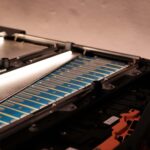
The Strategic Imperative for Sodium-Ion Batteries
At the core of GM’s diversified energy strategy is a significant bet on sodium-ion battery technology. This initiative is spearheaded by Kurt Kelty, GM’s Vice President of Battery and Sustainability, a seasoned veteran from Tesla. Kelty’s leadership has seen GM’s broader battery strategy evolve into a multi-faceted approach, tailored to specific applications and cost considerations.
The existing portfolio includes lithium iron phosphate (LFP) cells, favored for their affordability in models like the Chevy Bolt and for immediate energy storage projects. High-nickel (NMC) cells continue to power the majority of current electric vehicle models, while the forthcoming lithium-manganese-rich (LMR) chemistry is designed to reduce costs for larger electric trucks and SUVs. Sodium-ion is the latest and most pivotal addition to this advanced lineup, promising to broaden the spectrum of battery solutions.
As Kelty articulated in a recent interview, “We believe that you have to have the right battery for the right application.” This philosophy underpins the strategic integration of sodium-ion technology, recognizing its distinct advantages for particular energy storage requirements.

Unpacking Sodium-Ion Battery Technology and Partnership
General Motors is not developing its sodium-ion battery technology in isolation. The automaker is embarking on a co-development venture with U.S. startup Peak Energy. This collaboration leverages Peak Energy’s existing expertise, as the company has already been engaged in pilot programs with various U.S. firms, demonstrating the practical viability of the technology.
The sodium-ion cells under development are prismatic, a design choice that offers significant benefits. Crucially, these cells require no active cooling mechanisms, which substantially reduces the complexity of the battery pack. This simplification translates directly into lower manufacturing costs, making the technology economically attractive for large-scale deployment in energy storage systems.
Moreover, these advanced sodium-ion batteries are engineered to perform robustly even under extreme temperature conditions, ensuring minimal performance degradation. This resilience is a critical factor for grid-scale energy storage, where operational environments can vary significantly. From a long-term economic perspective, these sodium-ion solutions are projected to be 20% less costly over their lifespan compared to LFP batteries, which currently dominate the energy storage system (ESS) chemistry market.
Securing North America’s Energy Future
Beyond immediate cost and performance benefits, GM’s investment in sodium-ion batteries carries a profound strategic dimension: reducing North America’s reliance on external, particularly Chinese, battery supply chains. This move is a critical component of GM’s commitment to building a resilient and domestically controlled energy ecosystem.
Kurt Kelty underscored this geopolitical and economic imperative, stating, “We happen to have fabulous reserves here,” referring to the abundant raw materials required for sodium-ion battery production. The goal is clear: “Ultimately, this should be a North American battery.” This vision is supported by robust scientific data, indicating that sodium is approximately 1,000 times more abundant than lithium. Furthermore, sodium extraction and processing typically carry a significantly smaller environmental footprint, aligning with broader sustainability objectives.
General Motors has solidified this commitment with a substantial investment of $900 million specifically allocated to battery research. This funding is central to Kelty’s assertion that “We’ve got to bring that supply chain back to North America,” framing it as both a vital hedge against potential geopolitical shocks and a sound, long-term economic investment.
Why Automakers are Pivoting to Energy Storage
The automotive industry’s increasing foray into grid-scale energy storage is driven by a confluence of economic and environmental factors. Following an initial surge, EV sales in the U.S. have experienced a cooling period, partly due to the expiration of federal tax credits. Automakers, having collectively poured billions into establishing domestic EV battery production capabilities, are now actively seeking diversified avenues to leverage this substantial manufacturing capacity.
Grid-scale energy storage emerges as an opportune solution. The demand in this sector is immense and rapidly escalating, significantly propelled by the exponential growth of power-intensive artificial intelligence (AI) data centers. These facilities require vast and reliable energy supplies, placing unprecedented strain on existing power grids.
Energy storage systems (ESS) play a crucial role by enabling the capture and storage of surplus renewable energy, such as solar or wind power, during periods of low demand or high generation. This stored energy can then be efficiently released back into the grid when demand peaks, thereby enhancing grid stability and reliability. In this burgeoning market, the race is intensely focused on developing and deploying the most efficient battery technologies at the lowest possible cost, ensuring minimal maintenance requirements and an extended service life.
Integrating EVs into the Power Grid: Vehicle-to-Grid Technology
General Motors’ vision for a sustainable energy future extends beyond stationary storage, encompassing its growing fleet of electric vehicles as dynamic components of the power grid. The automaker envisions its EVs not just as means of transportation but also as mobile power banks, capable of contributing to grid resilience.
With approximately a quarter-million GM EVs already on U.S. roads, the collective potential is substantial. Hypothetically, if all these vehicles were connected to the grid, they could collectively supply enough power to sustain 120,000 homes for up to a week. This immense latent capacity represents a significant resource for energy management.
Current GM EVs already support vehicle-to-home (V2H) bidirectional charging, a feature owners can enable through specialized equipment provided and installed by GM at an additional cost. Looking ahead, an upcoming firmware update will empower these EVs to send power directly back to the main electrical grid, expanding their utility significantly. GM has demonstrated this capability, showcasing a Cadillac Lyriq effectively powering a small home independently through its Home Energy setup.
In a tangible step towards this future, GM is collaborating with Pacific Gas & Electric, aiming to integrate 52,000 of its EVs into the grid for this specific purpose. The rationale is compelling: cars remain parked for a significant portion of their operational lives. Harnessing this idle energy capacity offers a dual benefit—enabling EV owners to potentially reduce their energy bills while providing utilities with an innovative mechanism to mitigate power outages and meet the escalating demands posed by AI data centers and other high-load consumers.
Streamlining the EV Charging Experience with Energy Pass
Recognizing that a seamless charging experience is paramount for widespread EV adoption, General Motors has introduced Energy Pass. This innovative solution aims to alleviate common pain points associated with public charging, such as disparate payment systems and fragmented network access.
Energy Pass integrates all essential charging functions directly into GM’s existing suite of vehicle-specific applications, including myChevrolet, myCadillac, and myGMC. This consolidation allows EV owners to charge effortlessly across a multitude of major charging networks, encompassing Electrify America, ChargePoint, Ionna, EVgo, and crucially, the extensive Tesla Supercharger networks.
Further enhancing convenience, all GM EVs from the 2027 model year onwards will be equipped with a native North American Charging Standard (NACS) port. This standardization, coupled with Plug & Charge capability at compatible stations, will simplify the charging process dramatically, making it as straightforward as plugging in and walking away, with authentication and payment handled automatically.
The Broader Competitive Landscape in Energy Solutions
General Motors is not an isolated pioneer in the convergence of automotive and energy sectors. Several other prominent manufacturers and technology companies have recognized the strategic importance of energy storage and grid integration, establishing a competitive landscape within this evolving market.
Tesla, for instance, has been a long-standing player in the energy domain, offering its Powerwall batteries for residential applications and its larger Megapack solutions for commercial and utility-scale customers. Similarly, Ford has initiated efforts to develop its own energy storage business, signaling a broader industry trend towards diversification and the creation of holistic energy ecosystems.
GM’s Energy Push: A Strategic Hedge or New Revenue Stream?
General Motors recorded $7.1 billion in charges last year, primarily linked to a re-evaluation and recalibration of its initial electric vehicle ambitions. In the context of a recent slowdown in overall EV sales, the automaker’s decisive positioning as an energy company represents a significant strategic pivot.
This aggressive entry into sodium-ion battery development, vehicle-to-grid technology, and integrated charging solutions could serve multiple purposes. It might function as a crucial hedge against potential fluctuations in the EV market, leveraging existing investments in battery production. Alternatively, and perhaps more ambitiously, it could evolve into a substantial and meaningful new revenue stream, capitalizing on the growing global demand for robust energy solutions and grid resilience. The long-term impact and success of GM’s comprehensive energy push will ultimately unfold with time, demonstrating whether this diversification marks a fundamental shift in the company’s core business model.
Frequently Asked Questions About GM’s Energy Strategy
What is GM’s core strategy in the energy sector?
GM’s strategy involves developing sodium-ion batteries for energy storage, integrating vehicle-to-grid (V2G) technology into its EVs, and simplifying charging through its Energy Pass app. This broadens its focus beyond vehicle manufacturing to become a comprehensive energy solutions provider.
What are the key advantages of sodium-ion batteries for GM?
Sodium-ion batteries offer several advantages: they are more affordable over their lifespan than LFP batteries (20% less cost), require no active cooling, endure extreme temperatures, and utilize abundant raw materials found in North America, reducing supply chain dependence.
How is GM addressing the EV charging experience?
GM is simplifying EV charging with Energy Pass, an app that consolidates charging and payments across major networks like Electrify America, ChargePoint, and Tesla Superchargers. Additionally, all 2027 GM EVs will feature a native NACS port and Plug & Charge capability.
What is vehicle-to-grid (V2G) technology and GM’s goal?
V2G technology allows EVs to send power back to the electrical grid. GM aims to connect 52,000 of its EVs to the grid by the end of the decade, enabling them to act as rolling power banks that can support homes and utilities during peak demand or outages.
Why are automakers like GM entering the energy storage market?
Automakers are entering this market due to cooling EV sales, significant investments in battery production capacity, and the immense demand for grid-scale energy storage, particularly from power-hungry AI data centers. This diversification leverages existing assets and addresses a growing market need.
What is GM’s investment in battery research?
General Motors has committed a substantial $900 million to battery research. This investment is crucial for developing advanced battery chemistries like sodium-ion and for strengthening North American battery supply chains, ensuring long-term technological leadership and independence.
How does GM’s energy strategy impact supply chain reliance?
GM’s focus on sodium-ion batteries, which utilize abundant North American raw materials, is a direct effort to reduce dependence on foreign, particularly Chinese, battery supply chains. This move aims to hedge against geopolitical shocks and create a more secure, regional energy ecosystem.
Is GM the only automaker pursuing energy storage solutions?
No, GM is part of a broader trend. Tesla has long offered Powerwall and Megapack batteries for residential and commercial energy storage, respectively. Ford is also actively developing its own energy storage business, indicating a wider industry shift towards integrated energy solutions.