
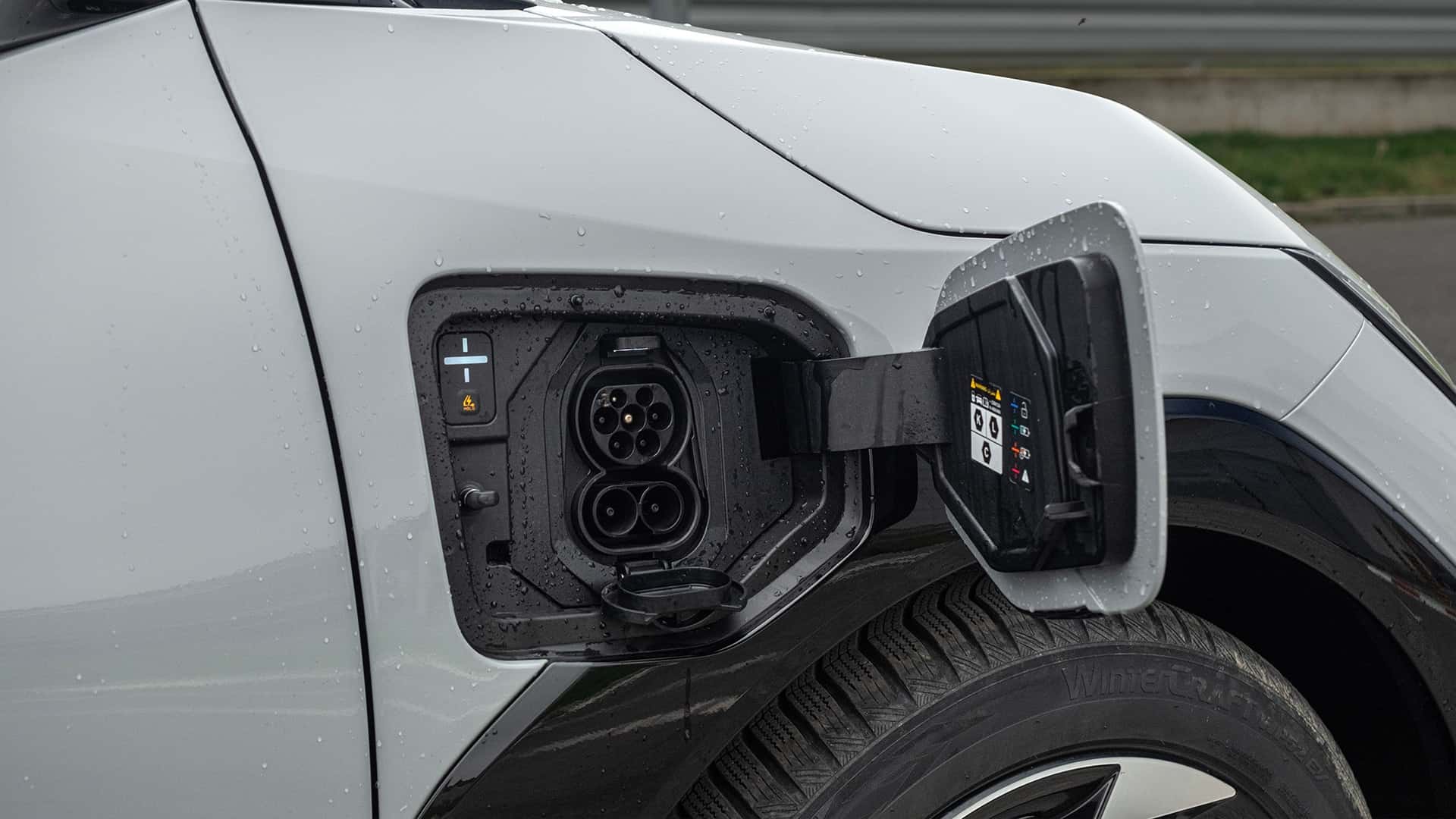
Key Takeaways / Summary:
- An MIT-led study rigorously confirms that Electric Vehicles (EVs) consistently produce fewer lifecycle emissions than gasoline-powered cars across the United States.
- The study, published in *Environmental Research Letters*, highlights a substantial reduction in greenhouse gas emissions, typically ranging from 40% to 60%, with variations from 0% to an impressive 82% depending on region and usage.
- No location in the U.S. was found where EVs generate higher lifecycle emissions than traditional internal combustion engine vehicles (ICEVs).
- Cleaner electricity grids, dense urban traffic, high annual mileage, and larger vehicle replacements lead to the most significant reductions in EV emissions.
- Plug-in Hybrid Electric Vehicles (PHEVs) also offer considerable emissions savings, especially with consistent charging habits.
- Further grid decarbonisation is crucial for maximising the environmental benefits of electric transport, even as vehicle sizes increase.
Even as the transition to sustainable transport gains momentum, a persistent narrative questions the environmental benefits of electric vehicles (EVs). Sceptics frequently assert that EVs merely relocate emissions from the tailpipe to power generation facilities, suggesting a negligible or even detrimental overall impact. However, a growing body of scientific research continues to dismantle this misconception, consistently affirming the superior environmental performance of battery electric vehicles.

A recent comprehensive study, spearheaded by researchers at the Massachusetts Institute of Technology (MIT) and published in the prestigious journal *Environmental Research Letters*, provides further robust evidence. Focusing specifically on the United States, the study unequivocally confirms that EVs substantially reduce greenhouse gas emissions when compared to their gasoline-powered counterparts.
The Definitive Advantage of Electric Vehicles on Emissions
The MIT-led research meticulously analysed the lifecycle emissions of various vehicle types, accounting for everything from manufacturing to operation. Its findings are clear: electric vehicles are indeed cleaner. Crucially, the study established that there is no geographical area within the United States where EVs generate higher lifecycle emissions than internal combustion engine vehicles (ICEVs).
While the overall conclusion strongly favours EVs, the study also provided nuanced insights into the variability of these emissions savings. Across most of the country, EVs were found to reduce emissions by a significant margin, typically between 40% and 60%. However, this advantage can fluctuate widely, ranging from a marginal 0% in specific, less green energy regions to an impressive 82% in areas with exceptionally clean electricity grids.

This wide spectrum of savings underscores a critical factor: the source of electricity. The composition of the local power grid is identified as the single most influential determinant of regional disparities in EV emissions reductions. Regions relying heavily on renewable energy sources for power generation naturally achieve the most substantial environmental benefits from electric vehicle adoption.
Regional Disparities in EV Emissions Savings
The geographic distribution of these savings paints a clear picture. Coastal regions, particularly California and the Pacific Northwest, demonstrate some of the largest reductions in EV emissions. These areas often benefit from a cleaner energy mix, including significant hydropower and other renewable sources, contributing directly to a lower carbon footprint for charging electric vehicles.
Conversely, states like Colorado, Nebraska, Montana, and Wyoming show less pronounced emissions savings. This is largely attributable to their electricity grids, which may still rely more heavily on fossil fuels for power generation. Even in these regions, however, the MIT study confirms that EVs do not generate higher lifecycle emissions than gasoline cars, challenging the persistent ‘dirtier’ myth.
“Even with the country’s most carbon-intensive electricity mix, however, BEVs do not raise lifecycle emissions compared to ICEVs,” the authors explicitly stated, reinforcing the consistent environmental benefit of electric mobility.
Beyond the Grid: Driving Patterns and Vehicle Factors
The MIT study did not stop at the power grid. It also incorporated other critical variables that influence overall EV emissions, including regional driving patterns, prevailing climate conditions, and the types of vehicles commonly owned by consumers. These factors, while secondary to the electricity mix, play a significant role in refining the emissions benefit calculation.
Researchers identified a hierarchy of factors enhancing EV emissions reductions: a clean electricity mix, followed by dense traffic conditions leading to slower trips, high annual travel distances, and mild to warm climates. For individual vehicle owners, the most significant reductions are observed for those with high annual travel distances, operating larger vehicles, and frequently making short trips.
City Driving: Where EVs Shine
One area where EVs demonstrate a particularly strong advantage in emissions reduction is city driving. Urban environments, characterized by frequent stop-start traffic, idling, and cold starts, are inherently inefficient for internal combustion engine vehicles. Gasoline cars consume a disproportionate amount of fuel during these conditions, leading to higher tailpipe emissions.
The U.S. Department of Energy (DOE) supports this, indicating that gasoline-powered vehicles utilise only 14–20% of their fuel’s energy to propel the car during stop-and-go city driving. A staggering 71–75% of the energy is lost in the engine, with approximately 6% wasted due to idling. In stark contrast, EVs operate with much greater efficiency in urban settings. Electric motors do not idle in the traditional sense, consuming minimal power when stationary. Furthermore, regenerative braking systems in EVs recover a substantial portion of the kinetic energy that would otherwise be lost as heat in a conventional vehicle.
The DOE highlights that EVs can direct up to 66% of the energy from their battery to propel the vehicle in city driving. When the energy recovered through regenerative braking is factored in, this city efficiency can surge to over 94%. This stark difference in operational efficiency directly translates into significantly lower EV emissions, particularly in congested urban areas.
Therefore, individuals who commute extensively, navigate heavy traffic, or frequently undertake shorter journeys with larger vehicles stand to gain the most substantial absolute emissions benefits by switching to an EV. The person replacing a daily-driven, fuel-intensive SUV in a bustling city with an electric equivalent will see a far greater reduction in their overall carbon footprint than someone replacing a sparingly used, fuel-efficient compact car.
The Potential of Plug-in Hybrids
The MIT study also shed light on the environmental role of plug-in hybrid electric vehicles (PHEVs). These vehicles, combining an electric motor and a gasoline engine, offer a bridge between traditional ICEVs and pure battery electric vehicles (BEVs). The research found that PHEVs can achieve 80% to 90% of the emissions savings of BEVs in urban settings and approximately 60% in less developed areas.
However, a crucial caveat accompanies these promising figures: consistent charging. The full emissions reduction potential of PHEVs is only realised when owners regularly charge their vehicles, allowing them to operate primarily on electricity. Without diligent charging, PHEVs may default to gasoline power, significantly diminishing their environmental advantage and bringing their real-world EV emissions closer to those of conventional vehicles.
Reinforcing the Global Consensus: Supporting Research
The findings of the MIT-led study are not isolated. They align with and reinforce a broad consensus established by numerous other comprehensive lifecycle analyses conducted worldwide. These studies consistently conclude that EVs are a superior choice for reducing environmental impact.
For instance, the R&D GREET Life Cycle Assessment Model, a widely respected tool that evaluates the energy use and environmental impacts of vehicles and fuels across their entire lifecycles, found that EVs exhibit 46% lower lifecycle emissions compared to gasoline cars. Similarly, research from the International Council on Clean Transportation (ICCT) published last year indicated that EVs sold in Europe boast 73% lower lifetime emissions than their combustion engine counterparts, with PHEVs showing a 30% improvement.
Beyond greenhouse gases, the shift to electric mobility offers immediate, tangible benefits to local air quality. By decentralising emissions away from densely populated urban centres – even if electricity generation still produces some emissions – EVs contribute to cleaner air where people live, work, and breathe. This improvement in local air quality is a significant public health benefit often overlooked in broader discussions about climate change.
Future Outlook and Emerging Challenges
The trajectory of the U.S. electricity grid towards increasingly renewable sources holds immense promise for further amplifying the environmental benefits of electric vehicles. As the grid becomes greener, the overall EV emissions associated with charging will continue to decrease, leading to even greater uniformity in emissions reductions across different regions of the country.
However, the journey towards fully decarbonised transport faces challenges. The MIT researchers highlight a concerning trend: the growing preference for larger vehicles. “A trend towards increasingly large vehicles, as is currently observed, is expected to make decarbonization efforts more difficult,” the study’s authors warned. Larger vehicles, regardless of their powertrain, typically require more energy to manufacture and operate, potentially offsetting some of the gains from electrification.
To counteract this, the study underscores that “further emission reductions will require a strong decarbonization of the electricity mix.” This means sustained investment and policy support for renewable energy development and grid modernisation are paramount. The scientific evidence is compelling: EVs are demonstrably cleaner. Their full potential, however, remains intertwined with the ongoing transformation of our energy infrastructure and conscious consumer choices.
FAQ Section
Q1: Are Electric Vehicles truly cleaner than gasoline cars?
Yes, multiple studies, including an MIT-led research, confirm that electric vehicles produce significantly lower lifecycle emissions than gasoline cars. This holds true even when accounting for the electricity used for charging, with no U.S. location showing EVs having a higher carbon footprint overall.
Q2: How much do EV emissions differ by region?
The emissions savings from EVs vary significantly by region, primarily due to the local electricity grid’s energy mix. Savings can range from 0% in areas heavily reliant on fossil fuels to over 82% in regions powered predominantly by clean, renewable sources. Coastal areas like California often see the highest reductions.
Q3: Do driving habits affect EV emissions benefits?
Yes, driving habits play a crucial role. EVs provide the greatest emissions reductions for drivers with high annual travel distances, those operating larger vehicles, and individuals who frequently make short trips or drive in dense urban traffic. City driving is particularly efficient for EVs due to regenerative braking and no idling.
Q4: What about Plug-in Hybrid Electric Vehicles (PHEVs)?
PHEVs offer substantial emissions savings, achieving 80% to 90% of a pure EV’s benefits in urban areas and about 60% in other regions. However, these benefits are contingent on consistent charging. If PHEVs are not regularly charged, their environmental advantage diminishes as they rely more on their gasoline engine.
Q5: What are lifecycle emissions for EVs?
Lifecycle emissions encompass all greenhouse gas emissions associated with a vehicle, from its manufacturing (including battery production) and transportation, through its operational phase (charging and driving), to its end-of-life disposal and recycling. Studies consistently show EVs have lower lifecycle emissions than gasoline cars.
Q6: How will future energy grids impact EV emissions?
As the U.S. and global electricity grids continue to transition towards cleaner, renewable energy sources, the emissions benefits of electric vehicles will become even more pronounced. This decarbonisation of power generation will lead to further reductions in the carbon footprint associated with EV charging, making electric transport even more sustainable.
Q7: Besides climate, are there other benefits of lower EV emissions?
Beyond reducing greenhouse gases, EVs contribute significantly to improving local air quality. By shifting emissions away from populated urban areas where cars are driven, they reduce pollutants that directly impact human health, leading to cleaner air in cities and residential zones.