
Key Takeaways:
- General Motors (GM) is strategically expanding its focus beyond traditional automotive manufacturing, aggressively moving into the energy sector with innovative battery technology and grid integration solutions.
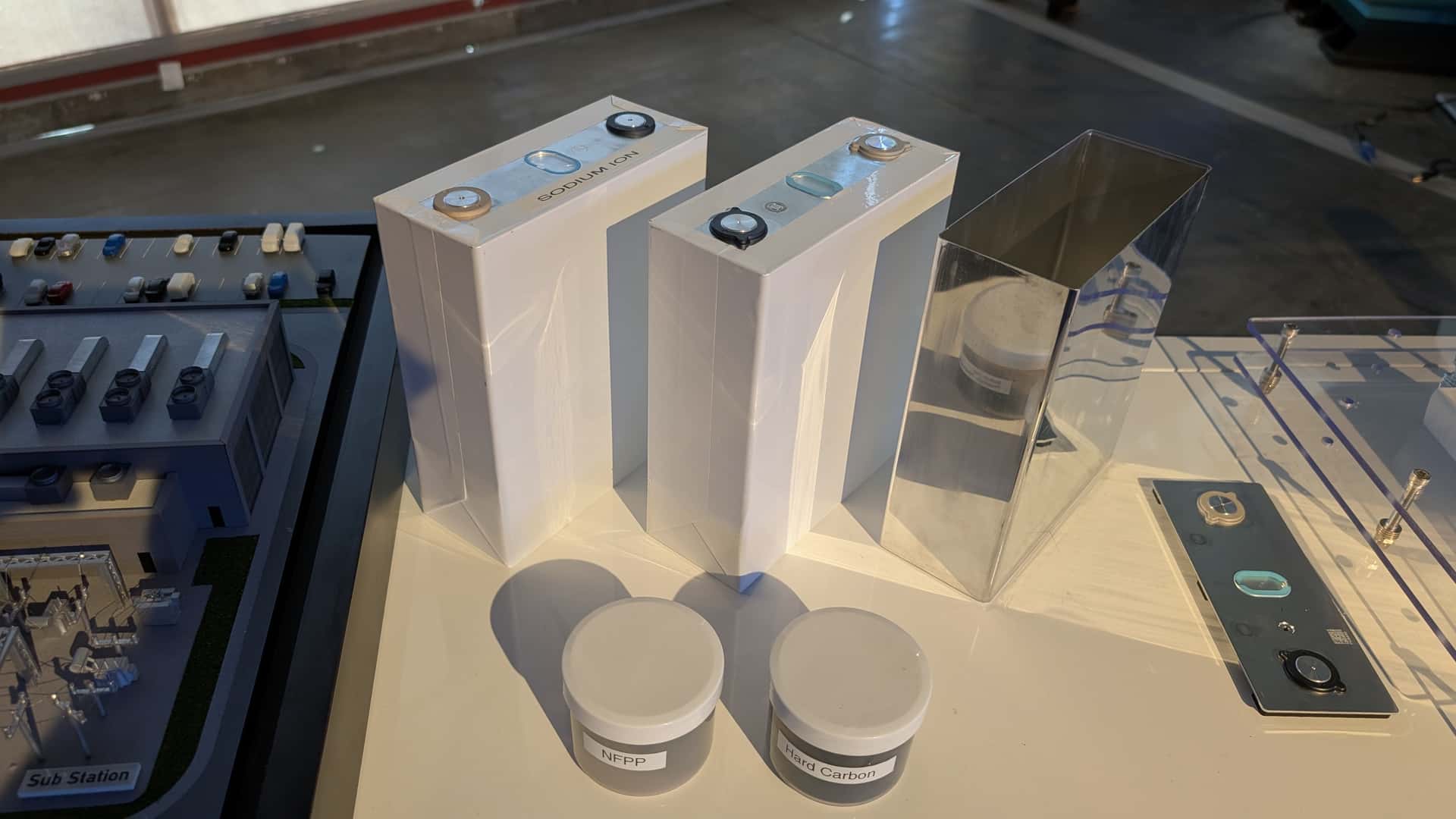
- The automaker is developing sodium-ion batteries for energy storage systems (ESS) in collaboration with U.S. startup Peak Energy, aiming to reduce costs and establish a robust North American supply chain for critical battery materials.
- GM plans to connect 52,000 electric vehicles (EVs) to the grid by the end of the decade, enabling vehicle-to-grid (V2G) functionality to bolster grid stability and offer owners new energy management opportunities.
- To simplify the EV ownership experience, GM has introduced ‘Energy Pass,’ a unified app for charging across major networks, complementing its commitment to integrating the North American Charging Standard (NACS) in future models.
- This significant pivot comes as EV sales show signs of cooling, positioning GM’s energy initiatives as both a strategic hedge and a potential new revenue stream in the evolving energy landscape.
General Motors (GM), America’s leading automaker by sales, is actively redefining its corporate identity, transcending its traditional role to emerge as a significant player in the burgeoning energy sector. This strategic pivot, revealed at a recent event in San Francisco, underscores GM’s ambitious vision to integrate electric vehicles (EVs) and advanced battery technologies into a broader ecosystem of sustainable energy solutions.
At the forefront of this transformation are several key initiatives: the development of advanced sodium-ion batteries for energy storage, a robust plan to connect tens of thousands of EVs to the grid for bidirectional power flow, and the introduction of ‘Energy Pass’—a streamlined digital tool designed to simplify the EV charging experience for consumers. These moves collectively signal GM’s commitment to innovation and resilience in a rapidly changing global energy landscape.
GM’s Strategic Bet on Sodium-Ion Batteries for Energy Storage
Central to GM’s expanded energy strategy is its foray into sodium-ion battery technology. This initiative is being spearheaded by Kurt Kelty, a seasoned Tesla veteran who now serves as GM’s vice president of battery and sustainability. Kelty’s leadership has seen GM’s battery strategy diversify significantly, encompassing a range of chemistries tailored for distinct applications.
Currently, GM utilizes lithium iron phosphate (LFP) batteries for more affordable EV models, such as the Chevy Bolt, and for near-term energy storage projects. High-nickel (NMC) cells continue to power most of its current electric vehicle lineup. Looking ahead, the automaker is also developing lithium-manganese-rich (LMR) chemistry, intended to drive down costs for larger electric trucks and SUVs.

The newest addition to this sophisticated battery portfolio is sodium-ion technology. Addressing the rationale behind this multi-pronged approach, Kelty articulated, “We believe that you have to have the right battery for the right application.” This philosophy underpins GM’s drive to optimize performance, cost-efficiency, and sustainability across its diverse product offerings.
The Broader Industry Shift: Why Automakers Embrace Energy Storage
The automotive industry is witnessing a notable trend: car manufacturers are increasingly venturing into the energy storage market. This shift is partially driven by a recent cooling in U.S. EV sales, following the expiration of certain federal tax credits. Automakers, having invested billions in establishing domestic EV battery production capacities, are now seeking alternative avenues to leverage these substantial investments.
Grid-scale energy storage solutions (ESS) present a compelling answer. The demand for such systems is monumental, fueled significantly by the escalating power consumption of artificial intelligence (AI) data centers and the imperative to integrate growing volumes of renewable energy sources like solar and wind power.
ESS batteries play a crucial role in modernizing energy infrastructure by storing surplus renewable energy during periods of high generation and subsequently releasing it when grid demand spikes. In this highly competitive market, the focus is squarely on delivering battery solutions that offer the best performance at the lowest cost, coupled with minimal maintenance requirements and an extended service life.
Deep Dive into Sodium-Ion Battery Technology and Supply Chain Resilience
GM’s sodium-ion battery initiative involves a crucial co-development partnership with Peak Energy, a U.S. startup that has already conducted successful pilot programs with several American companies. The prismatic cells being developed are designed to operate without active cooling, a feature that inherently simplifies the battery pack’s complexity and reduces manufacturing costs.
Furthermore, these sodium-ion batteries are engineered to withstand extreme temperatures without any degradation in performance, enhancing their versatility and reliability across diverse environmental conditions. Critically, GM projects these batteries will deliver a 20% lower cost over their lifespan compared to LFP batteries, which are currently the dominant chemistry in energy storage systems.
Beyond the technical and economic advantages, GM’s adoption of sodium-ion technology holds significant strategic implications for North American supply chain independence. Kelty emphasized this point during an interview, stating, “We happen to have fabulous reserves here” concerning the raw materials for sodium-ion batteries. He further asserted, “Ultimately, this should be a North American battery.” This perspective is strongly supported by research indicating that sodium is approximately 1,000 times more abundant than lithium and possesses a considerably smaller environmental footprint.
GM has committed an impressive $900 million solely to battery research, signaling its profound dedication to this area. Kelty underscored the geopolitical and economic rationale, arguing, “We’ve got to bring that supply chain back to North America.” This move is seen as both a vital hedge against potential geopolitical shocks and a shrewd long-term investment in domestic manufacturing and energy security.
Connecting Electric Vehicles to Power the Grid: The V2G Revolution
Sodium-ion batteries represent just one facet of GM’s multifaceted approach to energy. The automaker is also championing the concept of its electric vehicles functioning as ‘rolling power banks,’ capable of feeding energy back into the grid. This vehicle-to-grid (V2G) technology harnesses the immense, often untapped, energy capacity residing in parked EVs.
GM currently has approximately a quarter-million EVs operating on U.S. roads. The company projects that if all these vehicles were interconnected to the grid, they could collectively power an astonishing 120,000 homes for up to a full week. This demonstrates the significant potential of V2G to enhance grid resilience and energy availability.
GM EVs already support vehicle-to-home (V2H) bidirectional charging, allowing owners to power their homes during outages, albeit with specialized equipment installed by GM at an additional cost. A forthcoming firmware update will further expand this capability, enabling these EVs to actively send power back to the broader electrical grid.
Illustrating this capability, GM recently showcased a Cadillac Lyriq effectively powering a small home entirely off-grid using its Home Energy setup. The automaker is currently collaborating with Pacific Gas & Electric (PG&E) to integrate 52,000 of its EVs into the grid for V2G purposes. The benefits are manifold: EV owners can potentially lower their energy bills by selling surplus power, while utilities gain a powerful new tool to combat power outages and meet the escalating demands from sources like AI data centers.
Simplifying the EV Charging Experience with Energy Pass
Recognizing that a seamless charging experience is critical for mass EV adoption, GM has also taken significant steps to alleviate common pain points. This week, the company unveiled ‘Energy Pass,’ an innovative solution designed to streamline all charging functions directly into its existing vehicle-specific applications: myChevrolet, myCadillac, and myGMC.
Energy Pass promises to enable owners to charge their EVs seamlessly across a broad spectrum of major charging networks, including Electrify America, ChargePoint, Ionna, EVgo, and the increasingly vital Tesla Supercharger networks. This consolidation aims to reduce range anxiety and payment complexities, making EV travel more convenient and accessible.
Further solidifying its commitment to an integrated charging infrastructure, GM has announced that all its Model Year 2027 EVs will come equipped with a native North American Charging Standard (NACS) charging port. These vehicles will also feature ‘Plug & Charge’ capability at compatible NACS stations, allowing for automatic authentication and payment upon plugging in, further enhancing user convenience.
The Expanding Energy Ecosystem and Competitive Landscape
GM’s comprehensive energy strategy reflects a broader trend within the automotive industry, where major players are increasingly recognizing the symbiotic relationship between vehicles and the energy grid. Tesla, a pioneer in the EV space, has long diversified its offerings with residential Powerwall and commercial Megapack batteries, demonstrating the viability of integrating vehicle and stationary energy storage solutions.
Similarly, Ford is also actively developing its own energy storage business, indicating a collective industry movement towards creating holistic energy ecosystems. This competitive landscape highlights the strategic importance of GM’s initiatives in sodium-ion batteries, V2G technology, and simplified charging, positioning the company not just as an automaker, but as a crucial enabler of future energy independence and sustainability.
GM’s Forward Vision: A Strategic Pivot Amidst Evolving Markets
The ambitious energy push by General Motors comes at a pivotal moment. Last year, the company reported $7.1 billion in charges associated with a recalibration of its EV ambitions. In what is now being described as a down year for electric vehicle sales, GM’s strategic repositioning as an energy company could serve multiple purposes.
This bold expansion into energy storage and grid integration may function as a crucial hedge against a potentially slowing EV market, diversifying revenue streams and leveraging existing manufacturing capabilities. Alternatively, it could evolve into a substantial new revenue stream, solidifying GM’s role in the broader energy transition. The long-term impact of these strategic initiatives on GM’s financial performance and market standing remains to be seen, but its commitment to shaping the future of energy is clear.
FAQ Section
What is General Motors’ new focus beyond car manufacturing?
General Motors is significantly expanding its scope to become an energy company. This involves developing sodium-ion batteries for grid-scale energy storage, integrating electric vehicles (EVs) with the power grid through vehicle-to-grid (V2G) technology, and simplifying the EV charging experience with new digital tools like Energy Pass.
Why are sodium-ion batteries important for GM’s strategy?
Sodium-ion batteries offer several advantages, including lower cost over their lifespan compared to LFP batteries, resilience to extreme temperatures, and a simplified pack design without active cooling. Crucially, they utilize abundant domestic raw materials, helping GM reduce reliance on foreign supply chains and enhance North American energy independence.
How will GM’s EVs interact with the energy grid?
GM’s electric vehicles will be capable of bidirectional charging, allowing them to send power back to the grid (V2G) in addition to charging their own batteries. This turns EVs into mobile power banks, capable of supporting grid stability during peak demand or outages. GM is partnering with companies like Pacific Gas & Electric to implement this functionality.
What is Energy Pass and how does it simplify EV charging?
Energy Pass is a new tool integrated into GM’s existing vehicle apps (myChevrolet, myCadillac, myGMC) that consolidates charging functions and payments across multiple major networks. It aims to provide seamless access and simplified payment for EV owners using Electrify America, ChargePoint, Ionna, EVgo, and Tesla Supercharger networks.
What is the motivation behind automakers entering the energy storage market?
Automakers are entering the energy storage market due to cooling EV sales and the need to utilize billions invested in battery production. Grid-scale energy storage addresses immense demand driven by AI data centers and the need to store surplus renewable energy, offering a new avenue for revenue and leveraging existing battery expertise.
When will GM EVs feature the North American Charging Standard (NACS)?
All General Motors electric vehicles from Model Year 2027 onwards will come equipped with a native North American Charging Standard (NACS) charging port. This integration, along with Plug & Charge capability, is expected to further streamline and standardize the EV charging experience for GM owners across the continent.