
In the rapidly evolving landscape of automotive technology, one question consistently surfaces for those entrenched in the electric vehicle (EV) industry: “What’s the best EV you’ve tested?” This seemingly straightforward query often masks a complex interplay of personal preferences, driving dynamics, technological advancements, and practical utility. While the ideal answer for any individual is nuanced, industry experts frequently grapple with distilling their extensive experience into a concise, definitive recommendation.
Key Takeaways
- The designation of the “best EV” is highly subjective, balancing personal preferences with objective metrics.
- For off-pavement adventure enthusiasts, the Rivian R2 is highlighted as a top contender, favored for its compact design, agile handling, and advanced software, building upon the R1 series’ capabilities.
- Objectively, Tesla’s Model Y and Model 3 are recognized for their superior software ecosystem, historical reliability, and widespread market adoption.
- The contemporary EV market boasts a wide array of excellent vehicles, including models like the Cadillac Vistiq, Polestar 3, Volvo EX60, and BMW iX, each excelling in distinct areas from luxury to daily practicality.
- The continuous innovation within the electric vehicle segment suggests that top preferences are likely to shift frequently as new models emerge with enhanced features and performance.
The Quest for the Ultimate Electric Vehicle
For journalists and reviewers dedicated to the electric car industry, the question of the single “best EV” is a perpetual one. It’s a natural inquiry from readers eager for a definitive guide amidst a deluge of new models and technological claims. However, pinning down a singular ‘best’ vehicle proves challenging, as what constitutes a ‘good’ vehicle can differ significantly from what an expert personally ‘likes’ or would choose for themselves.
Consumers typically seek a clear, bullet-point answer, bypassing the intricate details of vehicle engineering, user interface, or environmental considerations. They often want to know: which electric vehicle stands out among all others, or, if budgetary constraints were removed, which model would an expert acquire?
Journalist’s Top Pick: The Rivian R2 Emerges
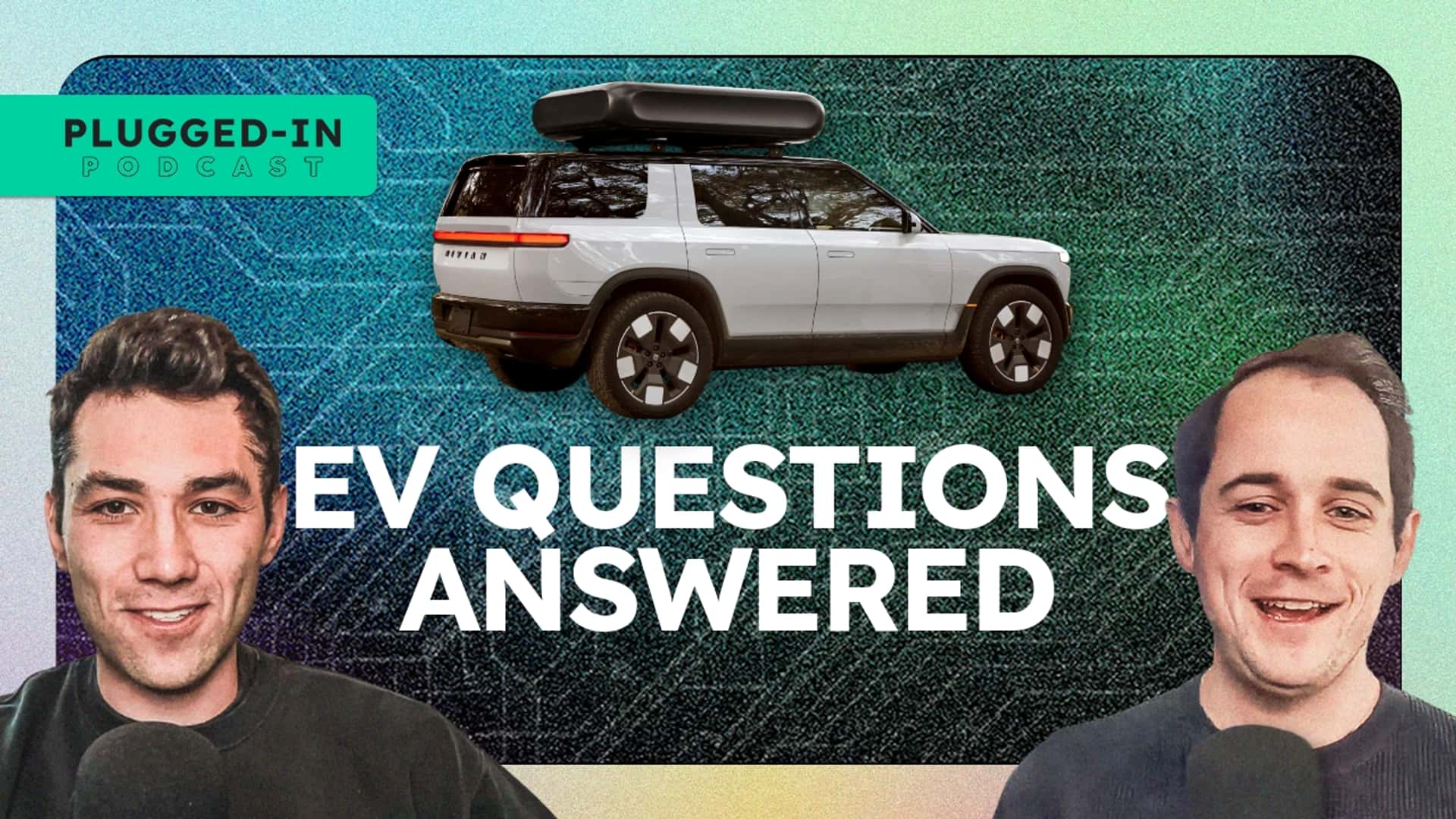
When pressed for a personal recommendation, an expert’s choice often reflects their specific priorities and lifestyle. For one leading automotive journalist, whose work frequently involves rigorous testing and evaluation within the electric vehicle segment, the 2026 Rivian R2 is the definitive personal favorite, a sentiment shaped by a deep appreciation for adventure, utility, and cutting-edge EV technology.
This preference stems from a long-standing affection for robust vehicles, a passion for exploring off-pavement terrains in an EV, and an admiration for advanced, software-defined electric vehicle technology. The Rivian R2, though a newer entrant, embodies these values in a compelling package.
From R1S to R2: Refining the Adventure Experience
Initially, the journalist’s inclination leaned towards the Rivian R1S, an electric SUV known for its formidable capabilities. The appeal of the R1S lies significantly in its spacious interior, offering the unique advantage of using the vehicle as a portable, climate-controlled sleeping space during extensive off-grid excursions. For adventures in desert landscapes, the ability to operate climate control at will provides an invaluable comfort, far surpassing traditional ground or roof tents when combined with open windows and protective screens.
However, despite these advantages, the R1S ultimately fell short of being the top choice due to its considerable size and complexity. Weighing in at approximately 7,000 pounds and featuring an intricate hydraulic suspension system, the R1S can feel somewhat overengineered for everyday use. The expert noted a preference for vehicles that are simpler and more manageable, even in a scenario of unlimited financial resources.
This discernment led to the R2, which represents a refined evolution of Rivian’s design philosophy. The R2 distills the core attributes that made the R1 appealing into a more compact and streamlined form. Its design elements, such as the innovative drop-down rear glass, contribute to an enhanced user experience. Furthermore, the R2 offers more agile driving dynamics and a superior ride quality, making it a more compelling overall package for an enthusiast seeking both capability and refined practicality.
The Allure of Off-Pavement Exploration in an EV
The emphasis on Rivian vehicles highlights a growing trend among EV enthusiasts: the desire for electric vehicles capable of robust off-road performance. The ability to embark on cross-country, off-pavement electric adventures without the reliance on traditional fuel infrastructure represents a significant paradigm shift. This segment of the market values not just range and charging speed, but also ground clearance, traction, and the rugged durability required for challenging terrains, all while benefiting from the quiet operation and instant torque inherent to electric powertrains.
Beyond Personal Preference: Defining the “Best EV” Objectively
While personal favorites often resonate with individual lifestyles, a more objective assessment of the “best EV” necessitates evaluating broader market impact, technological maturity, and widespread consumer acceptance. From a purely objective standpoint, the distinction for the top electric vehicle often becomes a close contest between the Rivian R2, the Tesla Model Y, and the Tesla Model 3.
Tesla’s models consistently rank high due to several critical factors that have cemented their dominant position in the global EV market.
Tesla’s Dominance in Software and Market Acceptance
Tesla holds a significant edge in its software ecosystem, which integrates seamlessly across vehicle functions, infotainment, and over-the-air updates. This advanced software game provides a user experience that, despite ongoing discussions surrounding the rollout and promotion of features like Full Self-Driving (Supervised), often surpasses competitors in terms of responsiveness and feature depth. The consistent evolution of Tesla’s software, from navigation to vehicle controls, sets a high benchmark for the industry.
Furthermore, Tesla vehicles have historically demonstrated strong reliability metrics and have achieved unparalleled popularity, making them a benchmark in terms of consumer trust and market penetration. Their extensive Supercharger network and brand recognition have also played a crucial role in their widespread adoption, defining a significant portion of the public’s perception of what an electric vehicle can and should be.
A Diverse Landscape of Excellence: Other Noteworthy Contenders
Acknowledging that the term “best” is inherently multi-faceted and often fails to capture the full spectrum of a vehicle’s strengths and weaknesses, the current electric vehicle market offers a plethora of outstanding choices catering to diverse consumer needs. Beyond the top contenders, several other electric vehicles have left a lasting impression on expert reviewers.
Luxury and Performance: Cadillac, Polestar, and BMW
Among these, the Cadillac Vistiq has been praised for its overall impressive attributes, signaling Cadillac’s strong entry into the luxury EV segment. The Polestar 3, a performance-oriented electric SUV, has particularly garnered acclaim for its exceptional driving dynamics, offering a sporty and engaging experience behind the wheel. BMW’s foray into electric luxury also merits mention, with the iX having been adored for its innovative design and luxurious cabin. The anticipated BMW iX3 is also expected to significantly impact the rankings upon its release and comprehensive evaluation later this year, potentially vying for a top spot among performance luxury EVs.
Everyday Practicality: The Volvo EX60’s Appeal
For those prioritizing comfort and ease in daily commuting, the Volvo EX60 has distinguished itself as one of the most pleasant daily drivers in automotive history. Its blend of Scandinavian design, safety features, and refined ride quality makes it an ideal choice for urban and suburban environments, highlighting that the “best EV” can also mean the most comfortable and practical for everyday use.
The Evolving Electric Vehicle Market
The overarching takeaway from a seasoned journalist’s perspective is the sheer abundance of excellent electric vehicles available today. The electric car industry is characterized by relentless innovation, with automakers continually enhancing their offerings year after year. This rapid pace of development suggests that any current “top spot” for the best electric vehicle or personal favorite is unlikely to remain static for long.
With an increasing number of manufacturers entering the EV space and existing players refining their models, consumers are presented with an ever-expanding selection of sophisticated and capable electric cars. This dynamic environment ensures that the conversation around the “best EV” will continue to evolve, reflecting new technological breakthroughs, shifting consumer demands, and emerging design philosophies.
Frequently Asked Questions (FAQ)
What makes the Rivian R2 a preferred choice over the R1S for some experts?
The Rivian R2 is favored for being a more compact and simpler package than the R1S, offering similar off-road capabilities without the larger vehicle’s complexity and weight. It features improved agile driving dynamics, a preferred ride quality, and practical elements like a drop-down rear glass.
Why are Tesla Model Y and Model 3 often considered objectively superior?
Tesla’s Model Y and Model 3 are recognized for their leading software ecosystem, offering seamless integration and advanced features through over-the-air updates. They also boast a strong track record of reliability and have achieved significant market popularity, contributing to their objective standing as top electric vehicles.
Is the concept of a “best EV” subjective or objective?
The concept of a “best EV” is largely subjective, depending on individual needs, preferences, and driving habits. While objective metrics like range, charging speed, and reliability exist, personal factors such as preferred vehicle type (SUV, sedan), adventure needs, and aesthetic taste heavily influence an expert’s or consumer’s ultimate favorite.
What kind of features are important for off-pavement electric vehicles?
For off-pavement electric vehicles, key features include robust suspension, adequate ground clearance, powerful electric motors for instant torque, and durable chassis design. The ability to use the vehicle as a climate-controlled sleeping space and advanced software for navigation and vehicle management are also highly valued for extended adventures.
Which other electric vehicles are highly regarded by automotive journalists?
Beyond Rivian and Tesla, other highly regarded electric vehicles include the Cadillac Vistiq for overall appeal, the Polestar 3 for its driving dynamics, and the Volvo EX60 for being an exceptionally pleasant daily driver. The BMW iX and the anticipated iX3 are also noted for their luxury and performance capabilities.
How quickly is the electric vehicle market changing?
The electric vehicle market is evolving at a rapid pace, with automakers consistently introducing new models and significant technological advancements year after year. This constant innovation means that the landscape of top-tier electric vehicles is dynamic, with new contenders frequently emerging to challenge existing favorites and redefine industry benchmarks.