
Key Takeaways
- The 2024 Paris Motor Show highlighted a significant technological gap between Chinese and European electric vehicle (EV) manufacturers.
- Chinese brands showcased production-ready EVs with rapid charging times (as low as 9 minutes for 10-97% charge) and advanced software-defined vehicle (SDV) platforms.
- European car companies largely presented concept vehicles and re-imagined heritage models, signaling a reliance on brand legacy rather than immediate technological superiority.
- European automakers face mounting pressure from declining sales in China, aggressive US tariffs, and increasing competition in their home market from Chinese rivals.
- Despite protective tariffs, Chinese EVs are entering the European market at competitive prices, pushing established brands to accelerate innovation and strategic execution.
The recent Paris Motor Show served as a crucial barometer for the global automotive industry, revealing a stark contrast in strategic approaches between established European car companies and their rapidly advancing Chinese counterparts. While the event unfolded on European soil, the pervasive presence and technological prowess of Chinese electric vehicle (EV) manufacturers like Geely, BYD, Li Auto, Zeekr, and Denza were undeniable.
For attendees and industry observers focused on cutting-edge EV technology, it was the Chinese brands that commanded attention. Their offerings frequently featured rapid charging capabilities, impressive power figures, and innovative designs, signaling a new era of competition within the electric vehicle segment.
Chinese Innovation Dominates Tech Showcase
Chinese automakers arrived at the Paris expo Porte de Versailles with an array of production-ready models that showcased significant advancements in EV technology. Brands such as Zeekr, Li Auto, Denza, and BYD demonstrated capabilities that redefine current industry benchmarks.
The Zeekr 9X, for instance, presented an ultra-plug-in hybrid with a substantial 111-mile electric range and luxurious interior features like plush recliners. Li Auto’s Megahome concept offered a vision of a ‘mobile home from the future’ aesthetic, while its i6, slated for the European market, boasts a 10-80% charging time in under 11 minutes, coupled with features like massaging rear recliners, advanced software, and cushioned air suspension.
Perhaps most strikingly, BYD unveiled vehicles capable of achieving a 10-97% charge in a mere 9 minutes, a figure that significantly outpaces most current Western offerings. These innovations, unimaginable just five years ago, highlight the rapid pace of development from Chinese EV manufacturers.
Rapid Charging Capabilities Redefine Expectations
A key differentiator observed at the show was the superior charging speed exhibited by non-Western brands. At least five production cars on display could charge from 10-80% in under 11 minutes, none of which were from European car companies or other Western manufacturers.
While Mercedes-Benz proudly announced its upcoming AMG GT 4-Door could achieve this in exactly 11 minutes, this figure appeared less groundbreaking when set against the capabilities of its Chinese competitors. Zeekr, for example, highlighted its updated 7X, which already has a waiting list in Europe, now charges from 10-80% in 10.5 minutes, presenting it almost as a standard feature rather than a significant achievement.
Companies like Geely and BYD are already offering Megawatt charging speeds, enabling 10-97% charge in under 9 minutes and even 10-70% in less than five minutes. Consequently, when Li Auto positioned its Li 6 model for the European market with a 10-80% charge time of approximately 10 minutes, it felt more like a baseline expectation than a competitive advantage.
This disparity underscores a qualitative edge. While many European car companies like Mercedes, BMW, and other luxury brands are only now introducing their initial software-defined, 800-volt EVs, Chinese automakers are often on their second, fifth, or even tenth iteration of such platforms. Even the plug-in hybrid Zeekr 9X operates on a 900-volt system, demonstrating a technological lead in key areas of electric vehicle development.
European Stalwarts Bank on ‘Heritage’ and Design
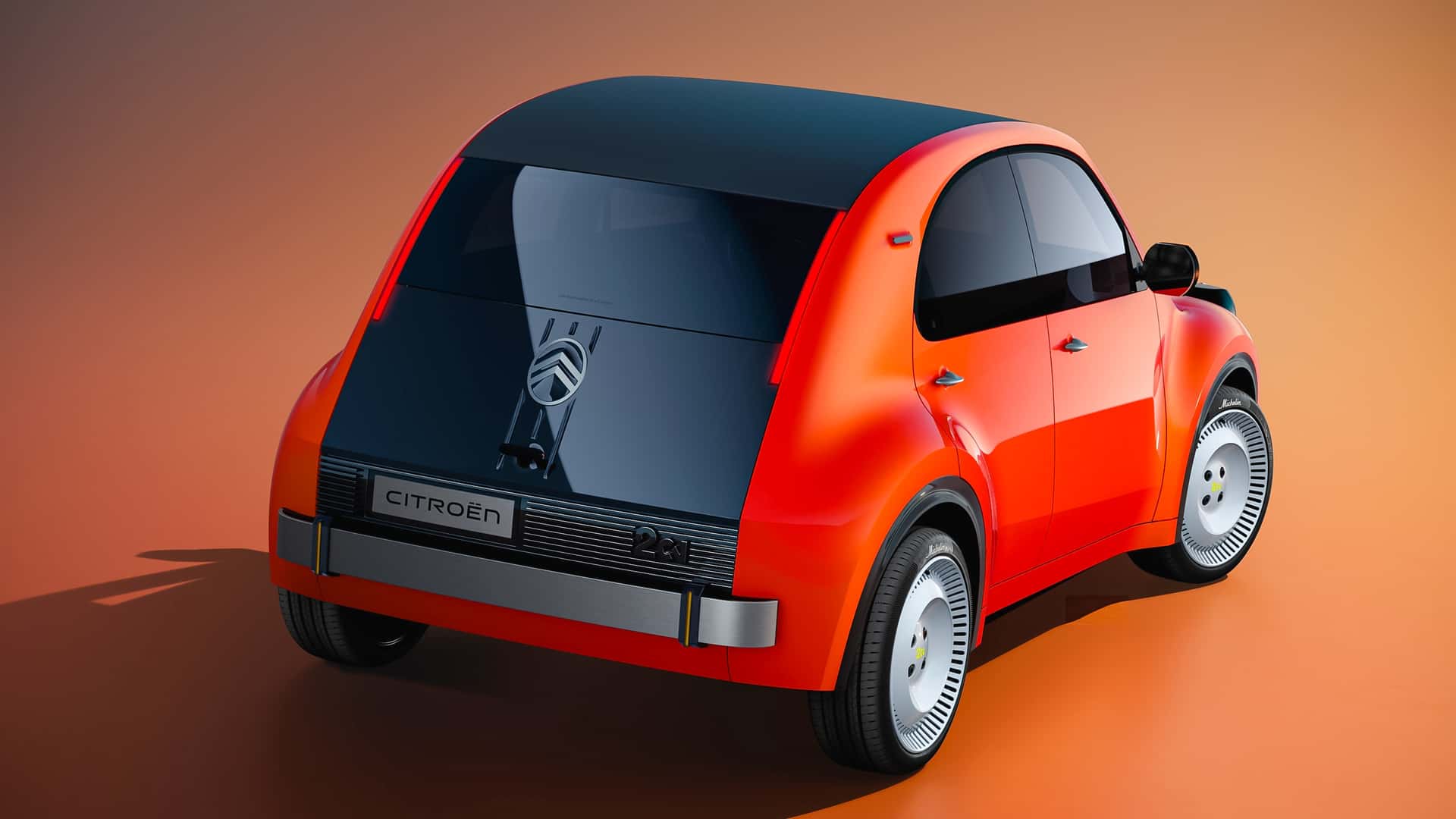
In contrast to the tech-forward approach of their Chinese rivals, European car companies largely opted to emphasize their rich history and design legacy. Brands like Renault, Citroën, and Alpine showcased re-interpreted concept versions of their most iconic models.
The lineup included modern takes on the Renault Espace, the potential return of the beloved Citroën 2CV, and the Alpine A310 concept. This strategy clearly aimed to evoke nostalgia and leverage established brand loyalty, conveying a message of continuity and tradition to potential customers.
Concept Cars vs. Production-Ready Models
The core challenge for European automakers lies in translating these exciting concepts into market-ready vehicles with competitive technology. Many of the most captivating European displays were design studies or visions for the future, rather than immediate production models.
This stands in stark contrast to Chinese brands, which presented readily available, spec-sheet impressive vehicles. The critical question for European car companies is whether they can bring these innovative designs to market with advanced technology that genuinely competes with what China currently offers.
Geopolitical Pressures and Market Realities
European automakers are increasingly aware of their vulnerable position in the global market. Unlike American legacy firms, which enjoy temporary protection in their home market due to regulations hindering Chinese EV imports, European brands face immediate and multifaceted challenges.
The industry is grappling with collapsing sales in China, where domestic competitors are rapidly gaining market share. Profits in the American market are also being eroded by aggressive tariffs. Concurrently, their home market share is under direct threat from a growing influx of Chinese brands. This challenging environment is compounded by higher energy, labor, and regulatory costs within Europe, which further impede global competitiveness for European car companies.
Regulatory Barriers and Ongoing Competition
Automotive executives across Europe are openly expressing concerns regarding these pressures, both in financial reports and in dialogues with government bodies. European nations are now weighing the potential economic impact of losing a high-value industrial sector and have begun implementing defensive measures.
Chinese electric vehicles already face substantial tariffs in Europe, with some brands, including Li Auto, subject to cumulative duties exceeding 40%. Furthermore, Europe is tightening restrictions on hybrid imports, a category previously less affected. Despite these protective measures, Li Auto plans to price its Li 6 model competitively against vehicles like the BMW iX3, which offers less interior space and slower charging speeds, albeit with a greater maximum range.
These legal and tariff barriers appear insufficient to completely stem the tide. Therefore, European car companies are intensifying efforts to close the technological gap. While vehicles like the iX3 offer impressive range and the Mercedes GLC EV demonstrates remarkable efficiency, these attributes alone may not capture consumer excitement. This is why European brands are heavily investing in their design and branding teams, hoping to rekindle the appeal they risk losing.
The Path Forward: Urgency and Adaptation
The potential for European designs to captivate consumers remains. Driving the Li 6, with its superior head-up display, rapid Tesla-like interface, luxurious seats, and sumptuous ride, underscored the technological gap. However, the sight of vibrant Renault Twingo EVs suggested that emotional connection and legendary design could still play a powerful role in consumer choice.
The proposed return of the 2CV, reimagined to be both friendly and unique, and the E-Space concept with its lounge-on-wheels appeal, could resonate with buyers. The existence of swivel-seat Chinese production EVs at the same show indicates that such innovative interior designs could realistically reach production for European car companies.
However, successful execution is paramount and requires speed. Chinese manufacturers are known for their rapid product cycles, quickly bringing new models to market and adapting based on feedback. This agile approach contrasts with the often lengthier development times for European concepts.
European car companies must accelerate their pace, embrace greater risks, and adopt a position of humility, acknowledging their current competitive disadvantage. Navigating a landscape of dwindling profits and heightened competition presents a difficult choice. Yet, as demonstrated at the Paris Motor Show, betting on their unique designs, established legacies, and loyal customer bases might be their most viable strategy to remain competitive until they can technologically match their Chinese counterparts blow for blow.
FAQ
Q1: What was the main difference between European and Chinese EV displays at the Paris Motor Show?
Chinese brands showcased production-ready electric vehicles with advanced technology like rapid charging and software-defined platforms. European car companies primarily presented concept cars and re-interpretations of classic models, emphasizing design and heritage.
Q2: How fast can Chinese EVs charge compared to European models?
Chinese EVs, such as those from BYD and Denza, demonstrated charging speeds from 10-97% in as little as 9 minutes. Some European models, like the Mercedes AMG GT 4-Door, achieve 10-80% in 11 minutes, indicating a notable technological gap.
Q3: What challenges do European automakers face in the global EV market?
European car companies are experiencing declining sales in China, pressure from US tariffs impacting profits, and increasing competition from Chinese EV brands entering their domestic markets. High energy, labor, and regulatory costs further exacerbate these challenges.
Q4: Are tariffs effective in protecting the European market from Chinese EVs?
While Chinese EVs face significant tariffs (over 40% for some brands) and tightening restrictions on hybrid imports, these measures do not appear to be fully effective. Chinese companies like Li Auto still plan to price their EVs competitively in Europe.
Q5: What strategy are European car companies adopting to compete?
European automakers are leaning on their strong design capabilities and rich brand heritage, re-imagining classic models as EVs. They aim to leverage emotional connections and customer loyalty while working to accelerate their technological development to eventually match Chinese innovation.