
Key Takeaways
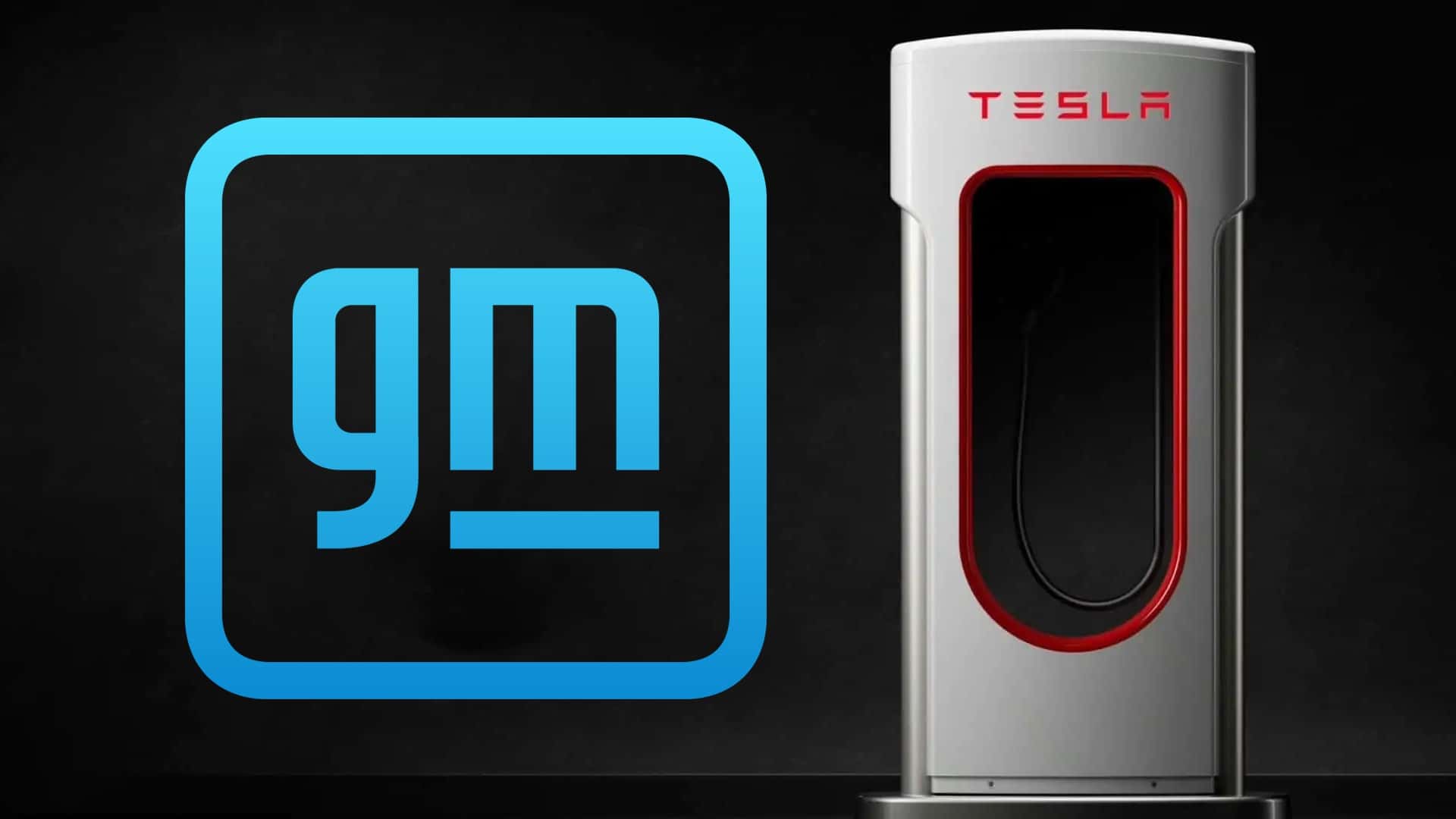
- General Motors (GM) will integrate Tesla’s North American Charging Standard (NACS) into its electric vehicles (EVs).
- This strategic move grants GM EV owners access to Tesla’s extensive 12,000-unit Supercharger network across North America.
- Existing GM EV owners will receive adapters in early 2024 for immediate access, while new GM EVs from 2025 onwards will feature integrated NACS ports.
- The decision, announced jointly by GM CEO Mary Barra and Tesla CEO Elon Musk, mirrors Ford’s earlier adoption, consolidating the Tesla charging standard as a dominant force.
- The integration will simplify the charging experience through GM’s vehicle and mobile apps, streamlining location, payment, and initiation processes.
In a landmark development set to profoundly impact the electric vehicle (EV) ecosystem across North America, General Motors (GM) has officially confirmed its future electric vehicles will adopt the Tesla charging standard, known as the North American Charging Standard (NACS). This pivotal decision, announced by GM CEO Mary Barra, will grant GM EV owners access to Tesla’s formidable Supercharger network, a critical expansion of charging options for a burgeoning segment of the automotive market.
The announcement positions GM alongside Ford, which made a similar commitment in late May, signaling a significant shift in the competitive landscape of EV charging infrastructure. This collaborative step underscores a broader industry movement towards greater interoperability and enhanced convenience for electric vehicle consumers.
Strategic Shift to Tesla Charging Standard
GM CEO Mary Barra publicly confirmed the company’s embrace of the Tesla charging standard during a Twitter Spaces session held on Thursday afternoon. Sharing the virtual stage with Tesla founder Elon Musk, Barra detailed the phased implementation of this new charging paradigm for GM’s electric vehicle lineup.
Starting in the spring of 2024, existing GM EV owners will gain initial access to the comprehensive Tesla Supercharger network. This access will be facilitated through an adapter, which will be provided to these owners in early 2024. This immediate solution aims to address the critical need for expanded fast-charging options for current EV drivers.
Looking ahead, GM’s future electric vehicles will feature integrated NACS ports, eliminating the need for an adapter. “We plan to adopt the North American charging standard, we’re working really hard that our first vehicle will come in 2025,” stated CEO Barra, highlighting the company’s commitment to fully embedding the Tesla charging standard into its forthcoming designs.
Enhanced User Experience and Network Access
A crucial aspect of GM’s adoption of the Tesla charging standard is the seamless integration of the Supercharger network into its digital platforms. GM revealed that the Tesla Supercharger Network will be incorporated directly into its vehicle and mobile applications. This integration is designed to vastly simplify the charging process for drivers.
The enhanced app functionality will allow drivers to quickly and easily locate available Tesla Superchargers, manage payments, and initiate charging sessions. This streamlining of the user experience eliminates the complexity often associated with navigating multiple third-party charging apps and payment systems, a significant improvement for electric vehicle owners.
This integrated approach is a key step towards a more unified and user-friendly EV charging ecosystem. It tackles one of the primary concerns for potential EV buyers: the ease and reliability of finding and using charging stations. The “plug and charge” simplicity, long a hallmark of the Tesla charging standard, will now extend to GM vehicles, enhancing overall customer satisfaction.
Industry-Wide Implications of the Decision
The commitment by two of North America’s largest automakers, Ford and General Motors, to adopt the Tesla charging standard sends a clear signal about the future direction of EV charging infrastructure. This collaborative shift is poised to benefit a substantial number of electric vehicle drivers immediately.
Collectively, the move impacts an estimated 300,000 American EV drivers. This figure includes more than 170,000 battery electric vehicles (BEVs) sold by General Motors, alongside over 108,000 Ford BEVs, encompassing models such as the Mach-E, F-150 Lightning, and E-Transit. These drivers are now set to experience significant improvements in fast-charging accessibility and convenience.
The announcement was delivered in a similar fashion to Ford’s earlier revelation, leveraging a Twitter Spaces session with Elon Musk. This method of communication itself highlights the growing influence and direct engagement of industry leaders in shaping the future of electric mobility.
The Evolving Landscape of EV Charging Standards
The automotive industry is currently at a “great inflection point,” a sentiment echoed by Elon Musk during the Twitter Spaces discussion, comparable to revolutionary advancements like the moving production line. The adoption of the Tesla charging standard by major players like Ford and GM marks a critical juncture in the ongoing battle of EV charging standards.
Historically, the North American market has seen a competition between various charging standards. CHAdeMO, an older direct current (DC) fast-charging standard primarily used by Japanese automakers, has seen a “slow demise” in recent years. Meanwhile, the Combined Charging System (CCS1) emerged as the dominant standard for most non-Tesla EVs in North America, supported by a broad coalition of automakers and charging network providers.
However, with the strategic alliances forged by Tesla, its NACS connector—known for its compact design and the extensive, reliable Supercharger network—is rapidly gaining ground. The question now looms whether these strategic moves by automotive giants like Ford and GM will signal the “start of the fall of CCS1” as the prevailing standard. This shift holds profound implications for how future charging infrastructure will be developed and integrated across the continent.
The Supercharger network’s reputation for reliability and widespread availability offers a compelling advantage, addressing one of the major barriers to mainstream EV adoption: range anxiety and charging station accessibility. By aligning with the Tesla charging standard, GM and Ford are directly capitalizing on this established infrastructure to enhance the value proposition of their own electric vehicles.
Future Outlook and Collaboration in Electrification
The collaboration between traditional automotive powerhouses and the pioneering EV manufacturer underscores a growing recognition of shared interests in accelerating the transition to electric mobility. Both Mary Barra and Elon Musk emphasized the exciting nature of this period for the automotive industry, acknowledging the transformative potential of electrification.
The consolidation around a single, widely accepted Tesla charging standard could simplify infrastructure planning and investment, potentially leading to a more robust and ubiquitous charging network for all EV users. This not only benefits consumers but also fosters a more stable environment for further innovation and investment in electric vehicle technology and supporting infrastructure.
As more automakers consider or commit to the NACS, the industry moves closer to a unified charging experience, which is crucial for widespread EV adoption. This alignment could also spur further advancements in charging speed, efficiency, and smart grid integration, laying the groundwork for the next generation of electric mobility solutions.
Frequently Asked Questions (FAQ)
When will GM EVs get access to Tesla Superchargers?
GM EV owners will gain access to Tesla’s Supercharger network in two phases. Existing owners will receive an adapter to use the network starting in the spring of 2024. New GM electric vehicles manufactured from 2025 onwards will come equipped with integrated NACS ports, directly supporting the Tesla charging standard.
How will existing GM EV owners charge at Tesla stations?
Existing GM EV owners will utilize a specific adapter provided by General Motors to connect their vehicles to Tesla Supercharger stations. This adapter will enable their current charging ports to be compatible with the Tesla charging standard (NACS) connector, ensuring seamless access to the network.
What is the North American Charging Standard (NACS)?
NACS is Tesla’s proprietary charging connector and protocol, which the company has made available to other automakers. It is recognized for its compact design and its connection to Tesla’s extensive and reliable Supercharger network. Its adoption by major manufacturers is making it a dominant charging standard in North America.
How many Tesla Superchargers will GM owners access?
GM EV owners will gain access to Tesla’s entire network of over 12,000 Superchargers located across North America. This significant expansion of available fast-charging points is expected to greatly reduce range anxiety and enhance the convenience of long-distance travel for GM electric vehicle drivers.
How does this affect other charging standards like CCS1?
The adoption of the Tesla charging standard by GM and Ford signifies a major shift, potentially challenging the previous dominance of the Combined Charging System (CCS1). While CCS1 remains prevalent, the consolidated backing for NACS by leading automakers suggests a move towards a unified standard, which could eventually reshape the future of EV charging infrastructure in North America.
Will charging at Tesla Superchargers be integrated into GM apps?
Yes, General Motors plans to fully integrate the Tesla Supercharger Network into its vehicle and mobile applications. This will enable GM drivers to easily locate, initiate charging sessions, and manage payments directly through their familiar GM interfaces, providing a streamlined and user-friendly experience.