
Key Takeaways (TL;DR)
- The Tesla Model Y, a popular electric SUV, has undergone continuous, subtle modifications rather than traditional annual refreshes since its 2020 debut.
- Early 2020 models featured a premium interior with heated front and rear seats and a 15-speaker sound system, but lacked a heated steering wheel and had glossy plastic in the center console. Window types varied, starting with single-pane and transitioning to dual-pane.
- The 2021 Model Y saw increased range, a short-lived Standard Range variant, a matte center console, and a heated steering wheel. Passenger lumbar support was removed in later builds.
- In 2022, Tesla introduced the Standard Range All-Wheel Drive with 4680 cells, noted for its unusually slow charging. Later 2022 models incorporated wood trim, manual rear door releases, and an optional “comfort suspension.”
- The 2023 Model Y featured Hardware 4, essential for the latest Full Self-Driving (FSD) capabilities. A Standard Range option emerged with a software-locked battery, allowing for an additional 50 miles of range to be unlocked for a fee.
- 2024 and 2025 models received minor updates, paving the way for the significant “Juniper” refresh in 2026, which promises design changes and enhanced features.
- Prospective buyers should carefully assess their priorities, such as specific features, battery performance, charging speed, and budget, to determine the optimal Tesla Model Y year for their needs.
Introduction: Navigating the Evolution of the Tesla Model Y
Since its market introduction, the Tesla Model Y has solidified its position as a dominant force in the electric vehicle (EV) segment. Its blend of utility, performance, and Tesla’s signature technology has appealed to a broad spectrum of consumers. However, Tesla’s unconventional approach to vehicle updates—implementing rolling changes rather than distinct annual model year refreshes—presents a unique challenge for prospective buyers. Each year, and sometimes even month-to-month, subtle yet impactful modifications have been integrated into the Tesla Model Y, making the decision of which year to purchase less straightforward than with traditional automakers.

Understanding these incremental changes is crucial for anyone considering a Tesla Model Y, whether new or pre-owned. The nuances in interior features, battery technology, charging capabilities, and driver-assist hardware can significantly influence the ownership experience. This comprehensive guide aims to illuminate the specific evolutionary steps taken by Tesla across the various Model Y iterations, providing a detailed overview to inform buying decisions.
Tesla’s Evolving Model Y: A Unique Approach to Updates
Unlike most automotive manufacturers that adhere to a fixed annual cycle for model year changes, Tesla frequently introduces updates throughout the production run. This continuous improvement philosophy means that a Tesla Model Y manufactured in January of a given year might differ from one produced in December of the same year. These variations, often subtle, can encompass everything from aesthetic interior elements to critical hardware and battery specifications.
This dynamic approach necessitates a meticulous examination of individual model years, as features considered standard in one period might be altered, added, or removed in another. For potential owners, this means that selecting the ‘best’ Tesla Model Y is not simply a matter of opting for the newest version; rather, it involves aligning specific desired features and performance characteristics with the particular configurations offered in different production cycles.

The Inaugural Year: 2020 Tesla Model Y
The 2020 Tesla Model Y marked the debut of the popular electric SUV, establishing the foundational design and performance parameters. All initial builds of the 2020 model came equipped with what Tesla termed a “premium interior.” This package delivered a high level of comfort and amenity, notably including heated seats for both the front and rear rows, enhancing passenger comfort during colder conditions. Accompanying this was a sophisticated 15-speaker sound system, designed to provide an immersive audio experience for all occupants.
Despite these premium offerings, early 2020 models exhibited certain characteristics that would later be refined. The steering wheel, for instance, did not feature a heating function, a comfort amenity that became more prevalent in subsequent years. Additionally, the center console utilized a glossy black plastic finish. While visually sleek, this material was prone to showing fingerprints and dust, requiring more frequent cleaning to maintain its pristine appearance.
A notable variation within the 2020 production run involved the vehicle’s windows. Early builds of the Tesla Model Y were fitted with single-pane windows, which, while functional, offered a certain level of cabin noise insulation. However, as the year progressed, Tesla transitioned to incorporating dual-pane windows. This change significantly improved acoustic insulation within the cabin, leading to a quieter and more refined ride experience, especially at higher speeds or in urban environments with substantial external noise.
Refinements and Range Boost: The 2021 Model Year
The 2021 Tesla Model Y brought several key enhancements and modifications, addressing some of the feedback from its inaugural year and introducing new configurations. A significant update for the 2021 models was an increase in overall range, providing drivers with greater confidence for longer journeys and reducing concerns about charging frequency. This improvement in battery efficiency or capacity was a welcome development for the growing EV market.
Perhaps one of the most curious introductions was a short-lived Standard Range version, which remained available for only approximately one month. This variant offered a more accessible entry price point but came with a comparatively reduced driving range. Its brief market presence suggests Tesla was experimenting with its lineup structure before settling on more established long-range configurations.
Interior updates continued to evolve in 2021. The glossy black plastic center console found in earlier models was replaced with an updated matte finish. This change not only offered a more subdued aesthetic but also proved more resistant to visible smudges and minor scratches, enhancing the vehicle’s long-term interior appeal. Furthermore, a heated steering wheel was added, significantly improving driver comfort in cold climates, a feature absent in the preceding model year.
However, the 2021 production cycle also saw the discontinuation of a specific feature in later builds: passenger lumbar support. For many drivers and co-pilots, adjustable lumbar support is a critical component of ergonomic comfort, particularly on extended trips. Its removal meant that potential buyers, especially those with family members sensitive to seating ergonomics, needed to be aware of this specific change depending on the build date of a 2021 Model Y.
Cell Technology and Comfort Enhancements: 2022 Iterations
The 2022 Tesla Model Y introduced further technological and comfort-oriented advancements, continuing Tesla’s pattern of incremental improvements. A notable development was the introduction of the Standard Range All-Wheel Drive variant, which incorporated the highly anticipated 4680 battery cells. These new battery cells, part of Tesla’s next-generation battery technology, were expected to offer improved energy density and cost efficiency.
Despite the promise of the 4680 cells, early observations, as highlighted by expert reviews and user reports, indicated an unexpected challenge: this particular variant exhibited unusually slow charging speeds. Specifically, charging rates were observed to dip below 100 kW after the battery state of charge surpassed approximately 30 percent. This characteristic implied longer charging stops at Supercharger stations compared to other Model Y configurations, a crucial consideration for drivers relying on rapid charging infrastructure.
Interior refinements also continued in 2022. Later models received updated interior elements, including the integration of wood trim on the door cards. This addition aimed to elevate the cabin’s aesthetic appeal, providing a more premium and cohesive design alongside existing interior finishes. Furthermore, a significant safety and convenience feature was added: manual backup releases for the rear doors. This enhancement provided a mechanical override for door operation in the event of an electrical system failure, adding a layer of security for occupants.
Addressing a long-standing point of contention for some Model Y owners, select 2022 models were equipped with a “comfort suspension.” The Model Y’s ride quality had occasionally been criticized for being overly stiff, a characteristic common in performance-oriented vehicles. The introduction of a comfort suspension aimed to mitigate this, providing a smoother and more compliant ride, thereby enhancing overall passenger comfort, particularly on uneven road surfaces.
Hardware Advancements and Software-Defined Range: 2023 Highlights
The 2023 Tesla Model Y marked a pivotal year for technological integration, particularly concerning its autonomous driving capabilities. The most significant update was the implementation of Hardware 4 (HW4). This new iteration of Tesla’s Autopilot and Full Self-Driving (FSD) computer brought more advanced sensors, cameras, and processing power. For owners aspiring to utilize the latest and most sophisticated versions of Tesla’s FSD software, acquiring a 2023 Model Y with HW4 became a prerequisite, as previous hardware versions would eventually limit access to future FSD features.
Another intriguing development in 2023 involved the Standard Range option. In a departure from typical manufacturing, some of these models were equipped with the same physical battery packs as their longer-range counterparts. However, the usable range was software-locked to a lower capacity. This configuration presented a unique opportunity for buyers: for an additional fee paid directly to Tesla, owners could unlock up to an additional 50 miles of range. This flexibility made the 2023 Standard Range Model Y a potentially advantageous acquisition, offering a path to extended range post-purchase without the initial higher cost of a dedicated long-range variant.
The combination of enhanced FSD hardware and the innovative software-locked battery option underscored Tesla’s evolving strategy of utilizing both physical and digital modifications to differentiate its offerings. These changes meant that the 2023 Tesla Model Y offered not just an improved driving experience but also greater future-proofing for advanced driver-assistance systems and potentially enhanced long-term value through unlockable features.
Subtle Shifts: 2024 and 2025 Model Years
The 2024 and 2025 Tesla Model Y model years have continued the trend of incremental evolution rather than dramatic overhauls. While lacking a comprehensive refresh, these years have seen a series of small updates designed to refine the vehicle’s performance, user experience, and compliance with market demands. These ‘small updates’ typically encompass a range of modifications, including software optimizations for improved efficiency or new infotainment features, minor interior material tweaks, or adjustments to exterior trim. Such ongoing refinements ensure that the Tesla Model Y remains competitive and responsive to technological advancements and consumer preferences in the rapidly evolving EV landscape.
Anticipating the Overhaul: The 2026 “Juniper” Refresh
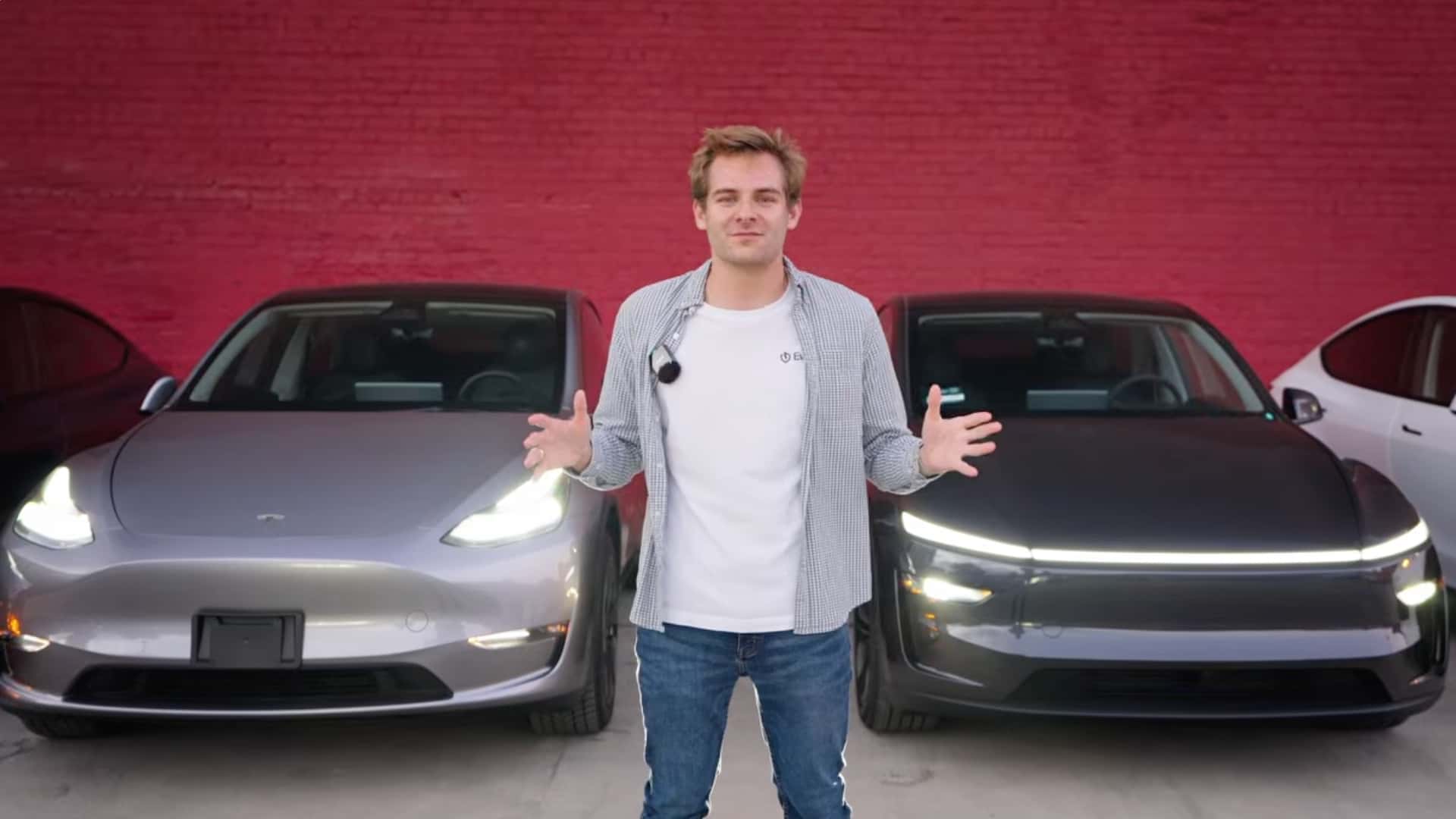
Looking ahead, the 2026 model year is slated to bring a significant transformation to the Tesla Model Y in the form of the highly anticipated “Juniper” refresh. This update is expected to be more than just a series of minor tweaks; it is described as an “overhaul,” indicating a comprehensive redesign and enhancement of the vehicle. Early indicators and industry insights suggest that the “Juniper” refresh will introduce substantial aesthetic changes, particularly to the front and rear fascias, potentially featuring redesigned light bars that align with Tesla’s evolving design language seen in newer models.
Beyond visual modifications, the 2026 Tesla Model Y is expected to standardize and expand upon earlier innovations. This includes the widespread adoption of dual-pane windows throughout the vehicle, not just in specific areas, to further enhance cabin quietness and comfort. The “Juniper” refresh is also anticipated to incorporate a “whole slew of changes,” which could encompass advancements in battery technology, drive unit efficiency, interior ergonomics, and the integration of even more sophisticated infotainment and connectivity features. This comprehensive update aims to revitalize the Model Y’s appeal, ensuring its continued prominence in the intensely competitive electric SUV market for the latter half of the decade.
Choosing Your Tesla Model Y: Key Considerations
Given the continuous evolution of the Tesla Model Y across its production years, potential buyers must adopt a nuanced approach to their purchasing decision. The ‘best’ model year is not universally fixed but rather depends on individual priorities, budget constraints, and desired features. For those prioritizing a classic premium interior, early 2020 models might be appealing, provided the single-pane windows in some builds are not a concern. If a heated steering wheel and a matte console are essential, the 2021 model year offers these enhancements, though the absence of passenger lumbar in later builds should be noted.
Buyers focused on cutting-edge battery technology or seeking improved ride comfort might consider certain 2022 variants, but with an awareness of the 4680 cell’s charging characteristics. Meanwhile, the 2023 Model Y presents a compelling case for those invested in future FSD capabilities due to Hardware 4, and its software-unlockable range offers unique flexibility. For those who prioritize the latest design and potentially the most advanced integrated features, waiting for the 2026 “Juniper” refresh might be the most strategic choice, albeit at a potentially higher initial cost.
Ultimately, a thorough assessment of each Model Y year’s specific advantages and trade-offs, combined with a clear understanding of personal automotive needs, will guide the optimal selection. Test drives of various model years, if possible, can also provide invaluable real-world experience to inform this significant electric vehicle investment.
Conclusion
The Tesla Model Y stands as a testament to continuous innovation, with each passing year bringing a series of carefully integrated enhancements and modifications. From its 2020 debut with a premium yet evolving interior to the anticipated “Juniper” refresh in 2026, the vehicle has been a moving target of progress. These iterative updates, ranging from window pane configurations and interior material choices to advanced battery cells and crucial hardware upgrades for autonomous driving, collectively paint a picture of a model constantly striving for refinement.
For consumers navigating the complexities of the electric vehicle market, particularly when considering the dynamic Tesla Model Y, understanding these year-specific differences is paramount. The decision of which model year to acquire transcends a simple choice of old versus new; instead, it is about aligning specific needs and preferences with the unique attributes embedded within each iteration of this popular electric SUV. By meticulously evaluating the features and performance characteristics of each Model Y variant, buyers can make an informed decision that ensures long-term satisfaction and optimal utility from their investment in electric mobility.
Frequently Asked Questions
What are the key differences between early and later 2020 Tesla Model Y builds?
Early 2020 Tesla Model Ys featured a premium interior with heated front and rear seats and a 15-speaker sound system, but lacked a heated steering wheel and had a glossy black center console. Notably, early builds used single-pane windows, while later 2020 models upgraded to dual-pane windows for improved cabin quietness and insulation.
Did the 2021 Model Y offer more range than the 2020 version?
Yes, the 2021 Tesla Model Y did bring an increase in overall driving range compared to its predecessor. Additionally, it introduced an updated matte finish for the center console and added a heated steering wheel for enhanced driver comfort, addressing some feedback from the 2020 model year.
What was unique about the 4680 battery cells in the 2022 Model Y?
The 2022 Tesla Model Y introduced a Standard Range All-Wheel Drive variant featuring the new 4680 battery cells. While innovative, this particular configuration was noted for unusually slow charging speeds, often dipping below 100 kW after reaching approximately 30% state of charge, which could prolong charging stops.
Why is Hardware 4 important for the 2023 Tesla Model Y?
Hardware 4 (HW4) in the 2023 Tesla Model Y is crucial for accessing and running the latest versions of Tesla’s Full Self-Driving (FSD) software. This hardware upgrade includes more advanced sensors, cameras, and processing power, making it a necessary component for users who prioritize future-proofed autonomous driving capabilities.
Can the range of a 2023 Standard Range Model Y be increased?
Yes, some 2023 Standard Range Tesla Model Y vehicles were equipped with physically larger batteries but had their range software-locked. Owners of these specific models could pay Tesla a fee to unlock an additional 50 miles of range, effectively converting their Standard Range into a longer-range variant post-purchase.
What is the “Juniper” refresh expected to bring to the Model Y?
The 2026 “Juniper” refresh for the Tesla Model Y is anticipated to be a significant overhaul, not just minor updates. It is expected to feature new front and rear designs, including updated light bars, and standardize dual-pane windows all around. This comprehensive refresh will likely encompass numerous other changes across design, technology, and performance.