
Key Takeaways
- Pilot Company has expanded its EV charging network to over 300 locations across North America, marking a significant milestone in electric vehicle infrastructure development.
- The network experienced a rapid growth of over 50% in less than a year, adding 50 new sites across 25 U.S. states in the first half of this year.
- These travel centers offer 350 kW EVgo fast chargers, providing convenient and high-speed charging options for EV drivers on major interstate corridors.
- The expansion is part of a strategic partnership with GM Energy and EVgo, aiming to install up to 2,000 fast chargers at 500 Pilot and Flying J locations.
- Amenities such as well-lit bays, free Wi-Fi, and on-site dining enhance the charging experience for long-distance electric vehicle travelers.
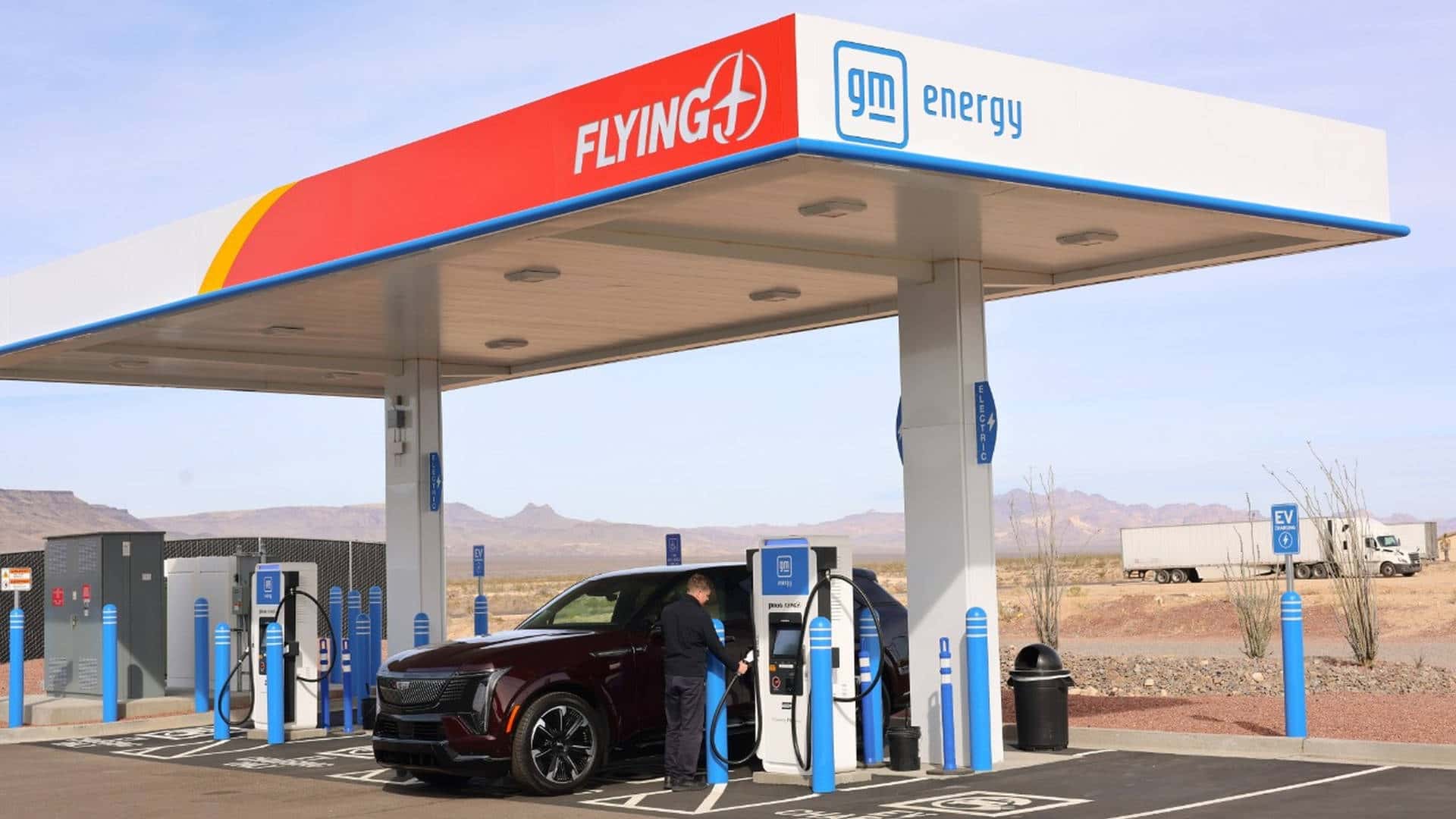
Pilot Company, North America’s largest network of travel centers, has announced a significant expansion of its electric vehicle charging infrastructure, pushing its total number of EV charging stations past the 300-location mark across the United States. This substantial growth underscores a concerted effort to meet the escalating demand for reliable and accessible charging solutions for electric vehicles, particularly for those embarking on long-haul journeys.
The latest achievement represents a remarkable acceleration in the company’s commitment to electric mobility, with the network experiencing an increase of over 50% in less than a year. This rapid growth is a clear indicator of the intensifying efforts by major players to build out robust EV charging infrastructure that supports the ongoing transition to electric vehicles across the continent.

Rapid Expansion Bolsters National EV Charging Infrastructure
In a testament to its aggressive deployment strategy, Pilot Company reported adding 50 new EV charging sites across 25 states during the first half of this year alone. This expansion has brought the total count of operational charging locations to 301, according to data from the company’s website. These new installations complement the existing network, strategically positioned along major interstate travel corridors to cater to the needs of electric vehicle drivers.
Beyond the number of locations, the network also boasts nearly 1,300 individual charging stalls, as reported by the EV charging data platform Paren. This extensive number of stalls ensures greater availability and reduces wait times, directly addressing a common concern among electric vehicle owners regarding charging accessibility during peak travel periods.
Strategic Placement and Enhanced Driver Experience
The strategic selection of Pilot and Flying J travel centers for these charging installations offers significant advantages for EV drivers. These locations are renowned for their comprehensive amenities, which elevate the charging experience beyond a mere power-up stop. Travelers can benefit from well-lit charging bays, access to free Wi-Fi, a variety of on-site restaurants, and convenient grocery options.
Such integrated services are crucial for making long-distance travel in electric vehicles more convenient and enjoyable, effectively mitigating range anxiety. By providing a comfortable and functional environment, Pilot aims to transform charging stops into productive breaks, fostering greater confidence in electric vehicle road trips.
Advanced Charging Technology for Modern EVs
The Pilot and Flying J locations are equipped with state-of-the-art 350-kilowatt (kW) EVgo dispensers, each featuring two charging cables. These high-power chargers are capable of delivering ultra-fast charging speeds, significantly reducing the time electric vehicle drivers spend at a station. While the maximum output is shared between two vehicles if both connectors are in use, a single vehicle can harness the full power of the stall for an even quicker charge.
Adding to the convenience, the network supports Plug-and-Charge functionality for compatible vehicles. This advanced feature allows drivers to simply plug in their electric vehicle to initiate a charging session, eliminating the need for separate apps, RFID cards, or credit card transactions, provided a payment method has been pre-configured. This streamlined process reflects a commitment to user-friendly technology in the evolving EV charging infrastructure.
Leadership Commends Network Growth and Driver Focus
Sean Marrero, president of retail at Pilot, underscored the company’s dedication to enhancing the travel experience for all customers. “Pilot is focused on investing in areas that matter most to create spaces our guests want to return to and are worth staying for our team members,” Marrero stated. He further emphasized the network’s role in serving a diverse range of travelers, saying, “Whether you’re stopping for a charge, a full tank, or a fresh meal this summer, we are making the most of every mile for every traveler on the open road.”
This statement highlights Pilot’s integrated approach, where EV charging is seamlessly woven into the broader services offered at their travel centers, ensuring that electric vehicle drivers receive the same level of convenience and hospitality as traditional fuel vehicle users.
Strategic Partnerships Driving Future EV Charging Infrastructure
The foundational framework for this expansive EV charging infrastructure was laid in 2022 through a strategic partnership between Pilot Company, GM Energy, and EVgo. This ambitious collaboration set a goal to install up to 2,000 fast chargers at as many as 500 Pilot and Flying J locations across the United States. The initial stations under this partnership became operational by the end of 2023.
By March 2025, the network had already grown to over 130 stations spread across more than 25 states, signaling a robust execution of the planned deployment. With the current count exceeding 300 locations, Pilot Company has officially surpassed the halfway mark towards its long-term objective, demonstrating significant progress in establishing a comprehensive national EV charging network.
Key Modernization and New Deployments
Beyond simply adding new locations, Pilot Company has also prioritized the modernization of its existing infrastructure. This year, the company installed new chargers in key areas such as Chicopee, Massachusetts, and Ponce de Leon, Florida. Concurrently, it undertook modernization efforts at 18 existing locations across 13 U.S. states and Canadian provinces. These upgrades ensure that the entire network consistently offers cutting-edge charging technology and an optimal user experience.
This dual approach of expanding into new territories and enhancing current sites is vital for building a resilient and future-proof EV charging infrastructure. It guarantees that the network not only grows in size but also maintains high standards of performance and reliability, which are paramount for widespread electric vehicle adoption.
The Broader Landscape of EV Charging Infrastructure
Pilot’s aggressive expansion is reflective of a wider trend within the retail and travel sectors, as companies race to establish dominant positions in the rapidly growing electric vehicle market. The increasing number of electric vehicles on the road necessitates a corresponding surge in charging options, making robust infrastructure a critical competitive advantage.
Notably, Pilot is not alone in its pursuit of expanding EV charging offerings. Retail giant Walmart, for instance, is also significantly ramping up its efforts, having already brought over 600 charging ports online. This competitive environment ultimately benefits electric vehicle drivers, as it leads to a more diverse, accessible, and comprehensive charging ecosystem across the nation.
The collective investment by companies like Pilot and Walmart is pivotal in accelerating the adoption of electric vehicles by providing the essential support structure. As the EV market continues to mature, the availability of convenient and powerful EV charging infrastructure will remain a key determinant of consumer confidence and the overall success of electric mobility initiatives.
Frequently Asked Questions About Pilot’s EV Charging Network
What is the current size of Pilot’s EV charging network?
Pilot Company has expanded its EV charging network to over 300 locations across the United States. This significant milestone was reached after adding 50 new sites in the first half of this year, representing a growth of more than 50% in less than a year. The network now features approximately 1,300 individual charging stalls.
What type of chargers are available at Pilot locations?
Pilot and Flying J travel centers are equipped with 350-kilowatt (kW) EVgo dispensers. Each dispenser typically offers two charging cables, allowing for simultaneous charging of two electric vehicles. These high-speed chargers are designed to provide rapid power delivery, significantly reducing charging times for compatible EVs.
Where are Pilot’s EV charging stations primarily located?
Pilot’s EV charging stations are strategically located along major interstate travel corridors throughout the United States. This placement ensures convenient access for electric vehicle drivers on long-distance road trips, allowing them to charge their vehicles at well-known travel centers that also offer a range of amenities.
What amenities can EV drivers expect at Pilot charging locations?
EV drivers utilizing Pilot’s charging network can enjoy a variety of amenities typical of their travel centers. These include well-lit charging bays for safety and convenience, access to free Wi-Fi, on-site restaurants for dining options, and convenience stores for groceries and other travel essentials, enhancing the overall stop experience.
Does Pilot’s network support Plug-and-Charge technology?
Yes, Pilot’s EV charging network supports Plug-and-Charge technology for compatible electric vehicles. This feature streamlines the charging process by allowing drivers to simply plug in their vehicle to begin charging, with payment automatically handled through a pre-configured account, eliminating the need for manual payment initiation.
What is Pilot Company’s long-term goal for its EV charging network?
Pilot Company, in partnership with GM Energy and EVgo, aims to install up to 2,000 fast chargers at as many as 500 Pilot and Flying J locations across the U.S. The recent achievement of over 300 locations signifies that the company has passed the halfway point towards realizing this ambitious objective, building a robust national EV charging infrastructure.