
Key Takeaways
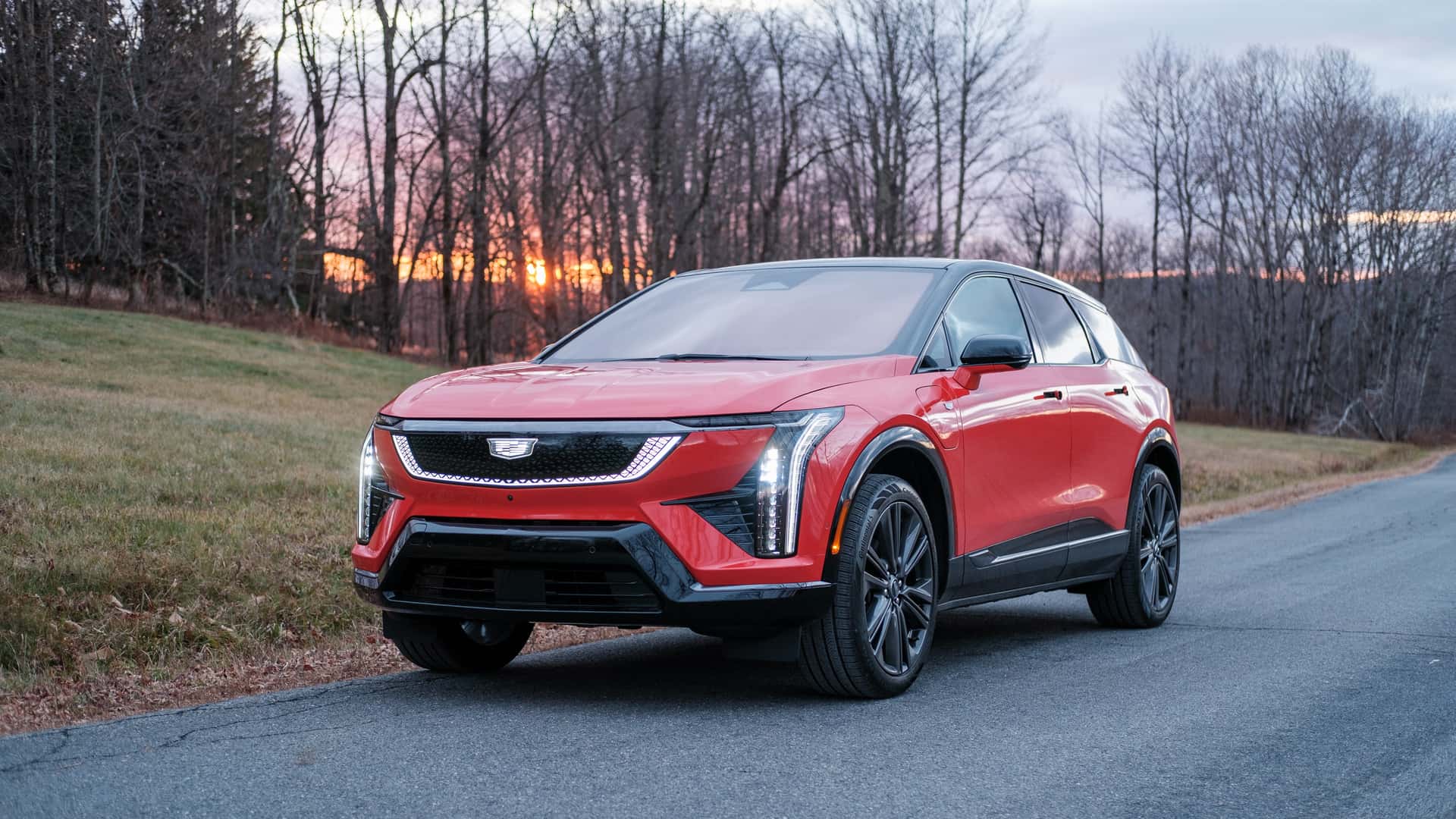
- General Motors (GM) plans to integrate a high-tech electric vehicle (EV) platform, developed in China, into future versions of the Cadillac Optiq for specific international markets.
- This strategic move will not impact the Cadillac Optiq models sold within the United States due to existing restrictions on Chinese hardware and software.
- The platform, known as Xiao Yao, stems from the SAIC-GM Pan Asia Technical Automotive Center (PATAC) and is engineered for enhanced flexibility, advanced features, and competitive performance.
- The adoption of the China-developed EV platform underscores a growing trend among Western automakers to leverage advanced Chinese technology to maintain competitiveness in the rapidly evolving global EV landscape.
General Motors is poised to equip forthcoming iterations of its Cadillac Optiq electric vehicle with an advanced EV platform engineered in China. This significant shift, confirmed by sources familiar with the automaker’s plans and a Reuters report, highlights a pivotal strategic pivot for the global automotive giant, though it will not extend to the Cadillac Optiq models destined for the United States market.
The decision to utilize a China-developed EV platform for certain international versions of the Cadillac Optiq underscores a broader trend. Western automotive manufacturers are increasingly tapping into the rapid technological advancements and robust development capabilities within China to enhance their global competitiveness in the burgeoning electric vehicle sector.
Strategic Shift: Embracing China’s EV Innovation
The upcoming Cadillac Optiq models slated for overseas markets will transition from GM’s U.S.-designed Ultium electric vehicle architecture to the innovative Xiao Yao platform. This platform is a product of SAIC-GM’s Pan Asia Technical Automotive Center (PATAC) in Shanghai, a key research and development hub established through one of GM’s long-standing joint ventures in China.
While this China-developed EV platform represents a leap in automotive technology, its deployment will be strategically localized. General Motors has explicitly stated that the Xiao Yao platform will not be integrated into the Cadillac Optiq sold in the United States, nor will it affect the stateside version of the vehicle. This exclusion is a direct consequence of current U.S. restrictions concerning Chinese-origin hardware and software in critical automotive components.
The Genesis of Xiao Yao: A Localised Powerhouse
General Motors maintains two prominent joint ventures in China: one with the state-owned SAIC Corporation and another tripartite partnership involving SAIC and Wuling. The Pan Asia Technical Automotive Center (PATAC), a cornerstone of the SAIC-GM collaboration, has been instrumental in conceiving and refining the Xiao Yao platform.
This localized development effort is a direct response to the fiercely competitive Chinese electric vehicle market, which is characterized by rapid innovation and sophisticated local players. By leveraging the expertise within PATAC, GM aims to create a Cadillac Optiq that is finely tuned to the specific demands and technological expectations of diverse international markets.
Why the Pivot from Ultium in China?
The move to a China-developed EV platform is not arbitrary; it stems from the performance of GM’s American-developed Ultium platform in the Chinese market. The Ultium architecture, which underpins most of GM’s EVs in the U.S., has faced significant challenges in China, leading to sluggish sales for models like the Buick Electra E5 and E4.
These Ultium-based vehicles have struggled to compete effectively against the highly advanced and rapidly evolving electric vehicles offered by prominent local manufacturers such as Nio, BYD, and Xpeng. The discerning Chinese consumer base, accustomed to cutting-edge features and aggressive pricing from domestic brands, has necessitated a more competitive and localized approach from international automakers like General Motors.
Developing a platform specifically for the Chinese market, through a collaborative joint venture, allows GM to create electric vehicles that are inherently more aligned with local technological trends, consumer preferences, and competitive pressures. This strategy is designed to reinvigorate GM’s presence in key overseas EV markets, starting with the Cadillac Optiq.
Unpacking the Xiao Yao Platform’s Capabilities
The Xiao Yao platform, as unveiled by SAIC-GM last year, is touted as a truly software-defined vehicle architecture, engineered for exceptional flexibility and advanced integration. This robust design supports a wide array of propulsion systems, including pure electric vehicles (EVs), plug-in hybrids (PHEVs), and extended-range electric vehicles.
Its adaptability extends to nearly all body types, making it suitable for multi-purpose vehicles (MPVs), sedans, and sport utility vehicles (SUVs). Furthermore, the platform is configured to support diverse drivetrain layouts, encompassing front-wheel-drive, rear-wheel-drive, and all-wheel-drive configurations. This versatility is crucial for developing a diverse product portfolio tailored to varied market demands.
A significant emphasis has also been placed on integrating advanced cockpits, optimizing energy efficiency, and enabling high-speed charging capabilities. These attributes are critical differentiators in today’s EV market, where consumers increasingly demand sophisticated in-car technology, longer range, and faster charging times.
Implications for the Overseas Cadillac Optiq
The adoption of the Xiao Yao platform suggests that the next-generation Cadillac Optiq models sold in international markets could feature highly competitive performance metrics and cutting-edge technologies. Consumers outside the U.S. might experience blistering charging speeds, potentially fueled by advanced battery technologies, and highly sophisticated digital cockpits.
Such enhancements could position the international Cadillac Optiq models at a significant technological advantage compared to their U.S. counterparts, which will continue to utilize the Ultium platform. This strategic divergence allows GM to address specific market needs and competitive landscapes without compromising its U.S. market strategy.
Cadillac currently sells both the Optiq and Lyriq in Europe, a market that is also witnessing a substantial influx of competitive Chinese electric vehicles. The strategic move to integrate a more advanced China-developed EV platform makes sound business sense in regions where an update with cutting-edge technology is essential to maintain market relevance and competitiveness.
A Global Trend: Western Automakers Lean on Chinese Tech
General Motors is not an isolated case in this strategic embrace of Chinese automotive technology. A growing number of Western automakers are recognizing China’s pivotal role as a hub for electric vehicle innovation and are actively integrating Chinese research and development into their global product strategies.
Renault, for instance, developed its latest Twingo E-Tech at its R&D center in Shanghai, signaling a direct investment in local expertise. Similarly, premium brands like Audi and Hyundai have announced plans to significantly expand their research and development operations in China, positioning the country as a critical innovation nexus for their future electric vehicle lineups.
This trend reflects a fundamental shift in the global automotive industry. China’s rapid advancements in EV battery technology, software integration, intelligent driving systems, and manufacturing efficiency are proving irresistible for global players seeking to accelerate their own electric vehicle transitions and secure a competitive edge in diverse international markets.
Looking Ahead: The Evolving Global EV Landscape
The strategic decision by General Motors to integrate a China-developed EV platform into certain Cadillac Optiq models is a testament to the dynamic and interconnected nature of the global electric vehicle market. It highlights a pragmatic approach by established automakers to leverage the best available technology, irrespective of its origin, to meet evolving consumer demands and intense competition.
While geopolitical considerations will continue to shape market availability and technological integration, this move signals a future where automotive innovation is increasingly a collaborative and globally distributed endeavor. The success of the international Cadillac Optiq, powered by the Xiao Yao platform, will offer crucial insights into the effectiveness of this global sourcing strategy and its implications for the broader automotive industry.
Frequently Asked Questions (FAQ)
What is the primary news regarding the Cadillac Optiq?
The Cadillac Optiq is set to feature a new electric vehicle (EV) platform developed in China for specific international markets. This marks a strategic shift by General Motors to integrate advanced Chinese technology into its global EV offerings, enhancing competitiveness in rapidly evolving overseas markets.
Will the U.S. version of the Cadillac Optiq use this China-developed platform?
No, General Motors has confirmed that the China-developed Xiao Yao platform will not be used in the Cadillac Optiq sold in the United States. This is primarily due to existing U.S. restrictions concerning the use of Chinese hardware and software in automotive technology, ensuring market compliance.
What is the name of the China-developed EV platform?
The platform is called Xiao Yao. It was developed at the SAIC-GM’s Pan Asia Technical Automotive Center (PATAC) in Shanghai. This center is a product of GM’s long-standing joint venture with the state-owned SAIC Corporation, combining global expertise with strong local capabilities.
Why is GM opting for a Chinese EV platform?
GM is adopting the Xiao Yao platform to enhance its competitiveness in international EV markets. The U.S.-developed Ultium platform has faced sluggish sales in China against advanced local rivals like Nio, BYD, and Xpeng. The China-developed EV platform is tailored to meet local market demands and technological expectations.
What are the key features of the Xiao Yao platform?
The Xiao Yao platform is a software-defined vehicle architecture offering significant flexibility. It supports various propulsion systems (EVs, PHEVs, extended-range), can adapt to multiple body types (MPVs, sedans, SUVs), and accommodates front-, rear-, and all-wheel-drive configurations. It also emphasizes advanced cockpits, efficiency, and high-speed charging.
Are other Western automakers also using Chinese EV technology?
Yes, GM is part of a broader trend. Renault developed its latest Twingo E-Tech at its R&D center in Shanghai. Additionally, automakers like Audi and Hyundai are planning to expand their research and development hubs in China, indicating a growing reliance on Chinese innovation for global EV strategies.
How might the international Optiq differ from the U.S. version?
The international Cadillac Optiq models, leveraging the Xiao Yao platform, could potentially feature more advanced technologies, such as blistering charging speeds, cutting-edge battery systems, and more sophisticated digital cockpits. These features are designed to compete effectively with the advanced local EVs in overseas markets, making its U.S. counterpart appear less advanced in comparison.