
New Carlisle, Indiana – Samsung SDI has formally acquired General Motors’ (GM) 49.99% stake in SynergyCells, the battery joint venture previously established between the two industry giants in New Carlisle, Indiana. This significant development marks Samsung SDI’s first independently operated battery production facility in North America, signaling a strategic recalibration in its regional manufacturing footprint.
Concurrently with the stake acquisition, both companies have signed a new joint development agreement. This pact specifically covers prismatic cells, with a focus on their potential application in future electric vehicle (EV) platforms, indicating a continued, albeit restructured, collaborative effort between Samsung SDI and GM.
Key Takeaways
- Samsung SDI has acquired GM’s 49.99% stake in SynergyCells, making the Indiana plant its first independent North American production base.
- The decision reflects market changes, including slower-than-expected growth in EV demand, leading to a pivot from the original joint venture structure.
- The New Carlisle facility, currently under construction, will initially focus on producing cells for Energy Storage Systems (ESS) due to strong demand in the US storage market.
- A new joint development agreement for prismatic cells has been signed with GM for potential future EV applications, maintaining a strategic partnership.
- The plant’s initial plan to build nickel-rich NCA prismatic cells for EVs at 27 GWh capacity has been adjusted, with ESS cells prioritizing cycle life and cost per kWh.
- Samsung SDI holds a substantial three-year contract, valued at over 2 trillion won ($1.35 billion), to supply prismatic LFP cells for North American ESS starting in 2027.
Initial Vision: The GM-Samsung SDI Joint Venture
The original joint venture between GM and Samsung SDI was formalized in August 2024. At its inception, the partnership represented a substantial commitment, with both companies pledging approximately $3.5 billion towards the construction of the Indiana battery plant. The facility was slated to commence production in 2027, with an ambitious initial annual capacity of 27 GWh, designed to be expandable to 36 GWh.
The primary objective of SynergyCells was to manufacture nickel-rich NCA (Nickel-Cobalt-Aluminum) prismatic cells, specifically tailored for integration into GM’s next-generation electric vehicles. This collaboration was envisioned as a cornerstone of GM’s strategy to localize EV battery production and secure a stable supply chain for its accelerating electrification plans.
Shifting Market Dynamics and Strategic Re-evaluation
The landscape of the automotive and energy sectors has seen dynamic shifts since the initial joint venture announcement. Samsung SDI explicitly stated that the ownership change reflects these evolving market conditions, particularly citing a slower-than-expected growth trajectory in electric vehicle demand. This revised outlook on EV market penetration has prompted both partners to re-evaluate their collaborative framework.
In light of these developments, the companies have collectively determined that pursuing alternative forms of cooperation, rather than maintaining the joint venture structure for the Indiana plant, would be more strategically advantageous. This recalibration allows both entities greater flexibility and responsiveness to current market imperatives and future opportunities.
A New Direction: Focusing on Energy Storage Systems
With Samsung SDI now holding 100% ownership, the direction of the New Carlisle facility is undergoing a significant pivot. While construction of the plant continues as planned, Samsung SDI will initially prioritize the production of cells for Energy Storage Systems (ESS). This decision is a direct response to what the company identifies as robust demand within the US storage market.
The transition to ESS cell production entails specific engineering adjustments. Cells designed for stationary storage applications are optimized with different performance metrics in mind compared to those destined for electric vehicles. For ESS, critical factors such as cycle life (the number of charge-discharge cycles a battery can withstand) and cost per kilowatt-hour (kWh) are paramount, often taking precedence over specific energy density, which is a key driver for EV performance.
Despite the immediate focus on ESS, the long-term potential for EV cell production remains. Samsung SDI confirmed that prismatic cells developed through the new joint agreement with GM could be produced at the Indiana facility at a later stage, underscoring the plant’s inherent versatility and future adaptability.
Prismatic Cell Technology: A Versatile Solution
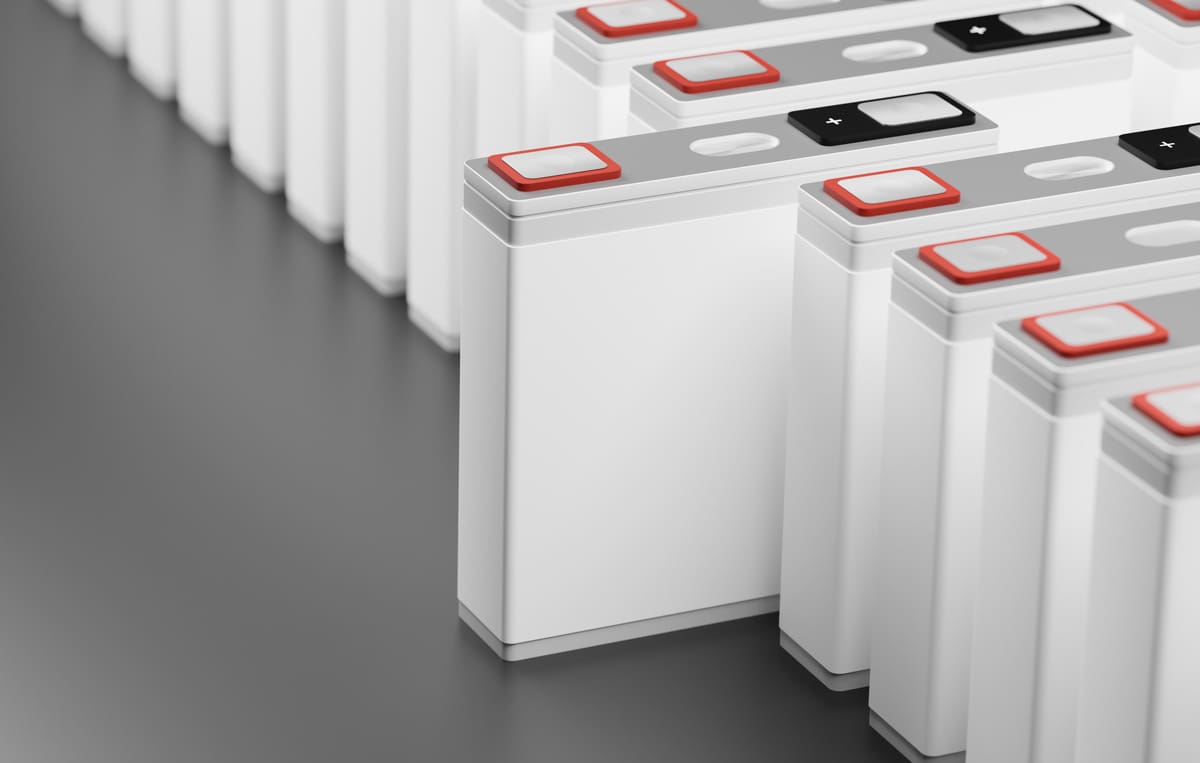
The choice of prismatic cells, central to both the original EV plans and the new ESS strategy for the Samsung SDI Indiana battery plant, is noteworthy. Prismatic cells offer several inherent advantages in battery module and pack design. Their rectangular, often flat, form factor allows for efficient packaging, minimizing wasted volume when assembled into modules, a benefit over cylindrical cells.
Furthermore, their rigid, hard-cased construction provides enhanced structural integrity. This means prismatic cells typically require less external support or complex containment structures within a battery pack compared to the more flexible pouch cells. This design characteristic can contribute to improved durability and simpler thermal management solutions, making them suitable for a diverse range of applications, from high-performance EVs to robust stationary energy storage units.
The North American ESS Market Opportunity
The strategic shift towards Energy Storage Systems aligns with a rapidly expanding market in North America. The demand for ESS is driven by several factors, including the increasing integration of renewable energy sources like solar and wind into the grid, the need for grid stability and peak shaving capabilities, and growing interest in backup power solutions for various commercial and industrial applications. These systems are crucial for managing intermittent renewable generation and enhancing grid resilience.
Samsung SDI has already secured a significant foothold in this burgeoning sector. In December 2025, the company signed a substantial three-year contract to supply prismatic LFP (Lithium Iron Phosphate) cells for energy storage systems across North America. This deal, valued at more than 2 trillion won (approximately $1.35 billion), is scheduled to commence deliveries in 2027, providing a robust foundation for the new direction of the Samsung SDI Indiana battery plant.
Maintaining a Strategic Partnership
Even with the change in ownership structure for the New Carlisle plant, the strategic relationship between Samsung SDI and General Motors remains intact. The new joint development agreement for future EV prismatic cells clearly indicates a continued desire for collaboration in key technological advancements within the electric vehicle space.
A Samsung SDI official underscored this continuity, stating, “While reflecting recent market changes, this acquisition decision is to continue the strategic partnership with GM.” This statement emphasizes that the dissolution of the joint venture for the specific manufacturing facility does not signify an end to their broader alliance, but rather an evolution to adapt to a changing industrial landscape and market needs.
Future Outlook for the Samsung SDI Indiana Battery Plant
The Samsung SDI Indiana battery plant in New Carlisle is poised to become a critical asset in the North American energy infrastructure. By leveraging its independent operation, Samsung SDI can swiftly respond to market demands, particularly in the high-growth ESS sector. The plant’s flexibility to transition or expand into EV cell production, especially with the ongoing joint development work with GM on prismatic cells, positions it strategically for future market evolutions.
As the facility progresses towards its 2027 production target, its initial focus on durable, cost-effective ESS cells will play a vital role in supporting renewable energy integration and grid modernization efforts across the continent, while keeping a keen eye on the eventual recovery and sustained growth of the electric vehicle market.
FAQ Section
What is the primary change in the Samsung SDI-GM battery joint venture?
Samsung SDI has acquired GM’s entire 49.99% stake in SynergyCells, the battery joint venture located in New Carlisle, Indiana. This makes the Indiana facility Samsung SDI’s first independently operated battery production base in North America, shifting from a co-owned venture to full Samsung SDI control.
Why did Samsung SDI acquire GM’s stake in the plant?
The acquisition reflects recent market changes, including slower-than-expected growth in electric vehicle demand. Both companies decided that alternative forms of cooperation, rather than the joint venture for this specific plant, would be more suitable given the evolving market dynamics and strategic priorities.
What will the Indiana battery plant produce initially?
The Samsung SDI Indiana battery plant will initially focus on manufacturing cells for Energy Storage Systems (ESS). This decision is driven by the significant demand observed in the US storage market, providing a clear immediate direction for the facility’s output.
Will the plant still have a connection to electric vehicle production?
Yes, while the immediate focus is on ESS, Samsung SDI and GM have signed a new joint development agreement for prismatic cells for potential future EV applications. This indicates that the plant could produce EV cells developed jointly with GM at a later stage, maintaining a strategic connection to the EV sector.
What is the significance of prismatic cells for this plant?
Prismatic cells offer advantages in battery design due to their efficient packing (less wasted volume) and rigid construction. This makes them versatile, suitable for both electric vehicles and energy storage systems, as they require less external support compared to other cell formats like pouch cells.
Does Samsung SDI have existing commitments in the ESS market?
Yes, Samsung SDI secured a three-year contract in December 2025, valued at over 2 trillion won ($1.35 billion), to supply prismatic LFP cells for North American Energy Storage Systems. Deliveries under this significant agreement are slated to commence in 2027, aligning with the new focus of the Indiana plant.