
Key Takeaways
- Samsung SDI has acquired General Motors’ 49.99% stake in SynergyCells, their joint battery venture in New Carlisle, Indiana.
- The Indiana facility will now operate as Samsung SDI’s first independently managed battery production base in North America.
- The plant’s initial focus has shifted from electric vehicle (EV) cells to energy storage system (ESS) cells, driven by demand in the US storage market.
- This strategic reorientation reflects market adjustments, including a slower-than-expected growth trajectory in EV demand.
- A new joint development agreement for prismatic cells for potential future EV applications has been signed between Samsung SDI and GM.
- The plant is poised to fulfill a substantial 2 trillion won ($1.35 billion) contract to supply prismatic LFP cells for North American ESS starting in 2027.
In a significant strategic realignment, Samsung SDI has completed the acquisition of General Motors’ (GM) 49.99% stake in SynergyCells, the battery joint venture previously established by the two companies in New Carlisle, Indiana. This transaction marks a pivotal moment for Samsung SDI, transforming the Indiana facility into its inaugural independently operated battery production base across North America.
The move also underscores an evolving landscape in the automotive and energy sectors, leading both partners to redefine their collaborative efforts. While the joint venture structure has dissolved, Samsung SDI and GM have affirmed their ongoing partnership by entering into a new joint development agreement focused on prismatic cells tailored for potential future electric vehicle applications.

Strategic Reorientation Amidst Market Shifts
The decision to alter the ownership structure and production focus of the Indiana Samsung SDI battery plant stems from a careful evaluation of recent market dynamics. Samsung SDI cited a slower-than-expected growth in electric vehicle demand as a primary factor influencing this strategic pivot.
This market adjustment prompted both companies to explore alternative avenues of cooperation beyond the initial joint venture framework. The original agreement, finalized in August 2024, had committed approximately $3.5 billion towards the plant’s construction, targeting a production start in 2027.
Initially, the facility was slated to achieve an annual capacity of 27 GWh, expandable to 36 GWh, primarily manufacturing nickel-rich NCA prismatic cells for General Motors’ electric vehicles. The shift reflects a responsive approach to current market signals and future demand projections.
Pivoting Production to Energy Storage Systems (ESS)
With the acquisition complete, the New Carlisle Samsung SDI battery plant is now set to commence production with energy storage system (ESS) cells, rather than EV components. This strategic pivot is directly attributed to the robust and growing demand within the US storage market, offering an immediate and significant application for the facility’s capabilities.
Cells engineered for stationary storage systems are inherently optimized differently from those designed for electric vehicles. ESS cells prioritize critical metrics such as cycle life and cost per kilowatt-hour, often weighing these factors above specific energy density, which is paramount for automotive applications requiring lighter, more compact power sources.
This focus aligns with Samsung SDI’s established market presence in energy storage. In December 2025, the company secured a substantial three-year contract valued at more than 2 trillion won (approximately $1.35 billion) to supply prismatic LFP cells for energy storage systems throughout North America, with deliveries scheduled to commence in 2027.
The Role of Prismatic Cell Technology
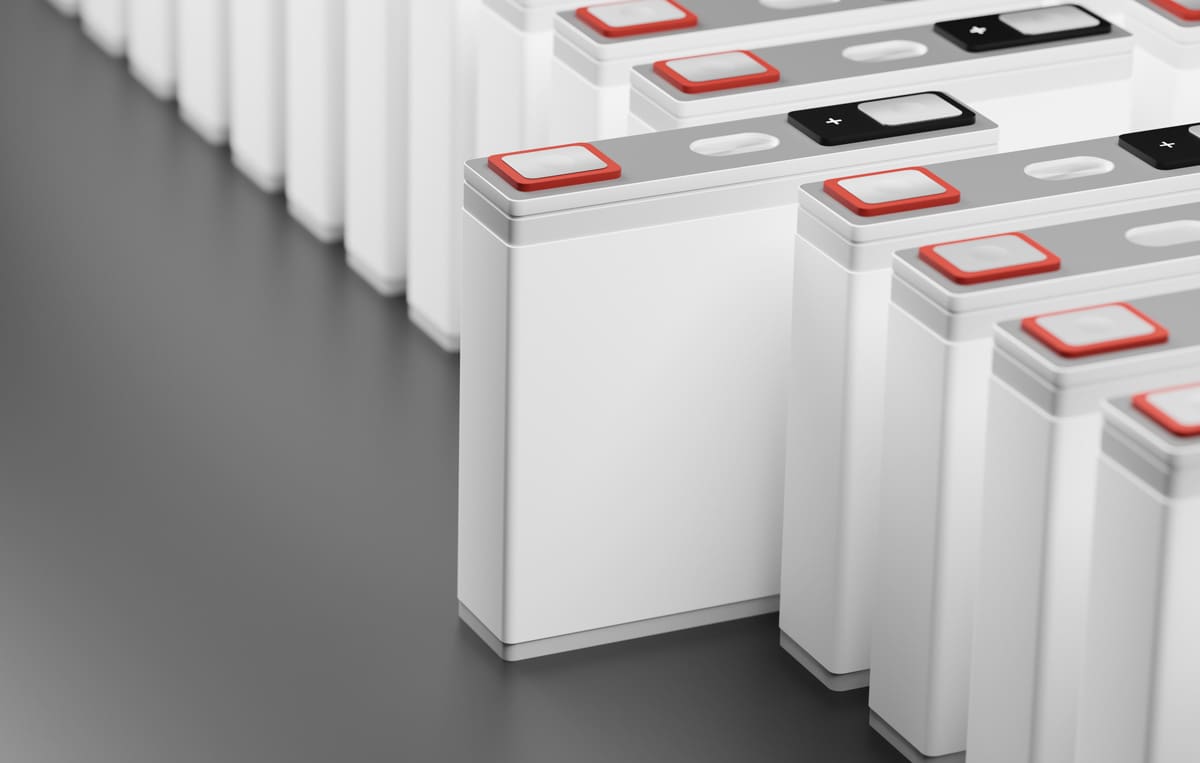
Prismatic cells are a key component in this strategic shift, favored for their efficiency and structural integrity. These cells are designed to pack into a module with considerably less wasted volume compared to cylindrical cells. Their rigid, rectangular cans also necessitate less external support than flexible pouch cells, contributing to simpler module and pack designs.
This inherent design advantage makes prismatic cells particularly well-suited for large-scale energy storage applications where space utilization and robustness are crucial. The new joint development agreement with GM specifically targets prismatic cells, signaling their continued importance for future EV applications, potentially bridging the gap between current ESS production and future automotive needs at the Indiana plant.
Upholding Strategic Partnership with General Motors
Despite the significant change in the ownership structure of SynergyCells, the fundamental strategic partnership between Samsung SDI and General Motors remains intact. An official from Samsung SDI emphasized this continuity, stating, “While reflecting recent market changes, this acquisition decision is to continue the strategic partnership with GM.”
This commitment is further solidified by the new joint development agreement. This pact specifically covers the collaborative creation of prismatic cells, indicating that while direct joint manufacturing has concluded, the companies envision future cooperation in advanced battery technology for electric vehicles.
The door remains open for the jointly developed prismatic cells, optimized for EV applications, to be produced at the Indiana facility at a later stage, once market conditions and demand for EV batteries mature further. This ensures flexibility for the Samsung SDI battery plant to adapt to future market shifts in the broader automotive industry.
The Broader Landscape of EV Battery Production in North America
The restructuring of the Samsung SDI-GM joint venture provides a glimpse into the dynamic and sometimes unpredictable nature of the rapidly evolving electric vehicle and battery manufacturing sectors. Global automakers and battery producers are continually recalibrating their investment strategies and production plans in response to fluctuating consumer demand, supply chain challenges, and technological advancements.
The pivot towards ESS production at a facility initially intended for EV batteries highlights the versatility required in modern battery manufacturing. It also underscores the significant and growing demand for large-scale energy storage solutions crucial for grid stability, renewable energy integration, and industrial applications across North America.
This strategic adaptation by Samsung SDI positions the New Carlisle plant to capitalize on immediate market opportunities in energy storage while retaining the flexibility to re-enter or expand into EV battery production as the market evolves. It represents a pragmatic approach to investment and production in a volatile, high-growth industry.
Looking Ahead for the Samsung SDI Battery Plant
As the Indiana plant progresses towards its operational target of 2027, its initial focus on ESS production is set to fulfill critical demand in a burgeoning market. The substantial 2 trillion won contract for LFP prismatic cells for North American ESS signifies a strong foundational pipeline for the facility.
The ongoing joint development efforts with General Motors regarding prismatic cells for EVs indicate a forward-looking strategy that anticipates future growth in the automotive sector. This balanced approach allows Samsung SDI to mitigate immediate risks associated with EV market fluctuations while maintaining a strategic foothold in next-generation electric vehicle battery technology.
The independent operation of this Samsung SDI battery plant in North America also strengthens the company’s regional supply chain capabilities, reducing reliance on overseas production and enhancing responsiveness to local market demands, both for energy storage and potentially for future EV applications.
FAQ Section
Why did Samsung SDI acquire GM’s stake in the Indiana battery plant?
Samsung SDI acquired GM’s stake due to market changes, specifically slower-than-expected growth in EV demand. This allowed both companies to pursue alternative forms of cooperation while Samsung SDI gained full control, establishing its first independent North American battery production base.
What will the Indiana plant produce initially?
The Indiana plant, now under Samsung SDI’s full ownership, will initially produce cells for energy storage systems (ESS). This decision is driven by the significant demand observed in the US storage market, offering a strategic pivot from the original plan for EV battery production.
What type of battery cells will be produced?
The plant will primarily focus on manufacturing prismatic cells. For energy storage systems, it will produce prismatic LFP (Lithium Iron Phosphate) cells. Samsung SDI and GM also have a new joint development agreement covering prismatic cells for potential future EV applications.
What was the original plan for the Samsung SDI-GM joint venture?
The joint venture, finalized in August 2024, originally planned for a $3.5 billion investment in the Indiana plant. It aimed to begin producing nickel-rich NCA prismatic cells for EVs by 2027, with an initial annual capacity of 27 GWh, expandable to 36 GWh.
How does this change affect the partnership between Samsung SDI and GM?
While the joint venture structure has dissolved, the strategic partnership between Samsung SDI and GM continues. They have signed a new joint development agreement for prismatic cells for future EV applications, indicating ongoing collaboration despite the ownership change at the Indiana facility.
What is the significance of focusing on Energy Storage Systems (ESS) production?
Focusing on ESS production allows the plant to address immediate, high demand in the US storage market. ESS cells are optimized for long cycle life and cost-effectiveness, differing from EV cells which prioritize specific energy. This move aligns with a substantial contract for LFP prismatic ESS cells starting in 2027.